

Best Staircase Railings: 7 Modern Types for Homes
Choosing the right staircase railing is a pivotal decision that impacts both the safety and aesthetic appeal of any space. For a minimalist, contemporary aesthetic, glass railings offer unparalleled transparency, allowing light to flow freely and creating an expansive feel. They are ideal for modern homes and commercial environments where preserving views or enhancing a sleek design is paramount. When durability, security, and a touch of industrial chic are priorities, stainless steel railings present a robust solution, offering resistance to corrosion and a clean, modern look. For those seeking timeless elegance and intricate, customizable designs, wrought iron remains a classic choice, lending itself beautifully to traditional, Mediterranean, or even transitional styles. Alternatively, cable railings provide a contemporary, open feel with a sophisticated industrial edge, offering excellent visibility while meeting safety requirements. The optimal selection ultimately hinges on balancing the architectural style of your property, your desired level of maintenance, local building codes, and your specific aesthetic vision for a truly cohesive and functional staircase.
Types of Staircase Railings: Key Takeaways
- Match Material to Style: Glass and stainless steel suit modern designs, while wrought iron excels in traditional or transitional settings.
- Prioritize Safety & Code Compliance: All railings must meet local building codes for height, spacing, and structural integrity to prevent falls.
- Consider Maintenance Needs: Materials like aluminum and stainless steel require minimal upkeep, whereas wrought iron may need periodic repainting or sealing.
- Factor in Overall Cost: Material choice significantly impacts cost, ranging from budget-friendly aluminum to premium custom glass or intricate wrought iron.
- Embrace Customization: Leverage professional design and manufacturing to create a unique railing that reflects your personal style and enhances property value.
The Essential Role of Staircase Railings in Design and Safety
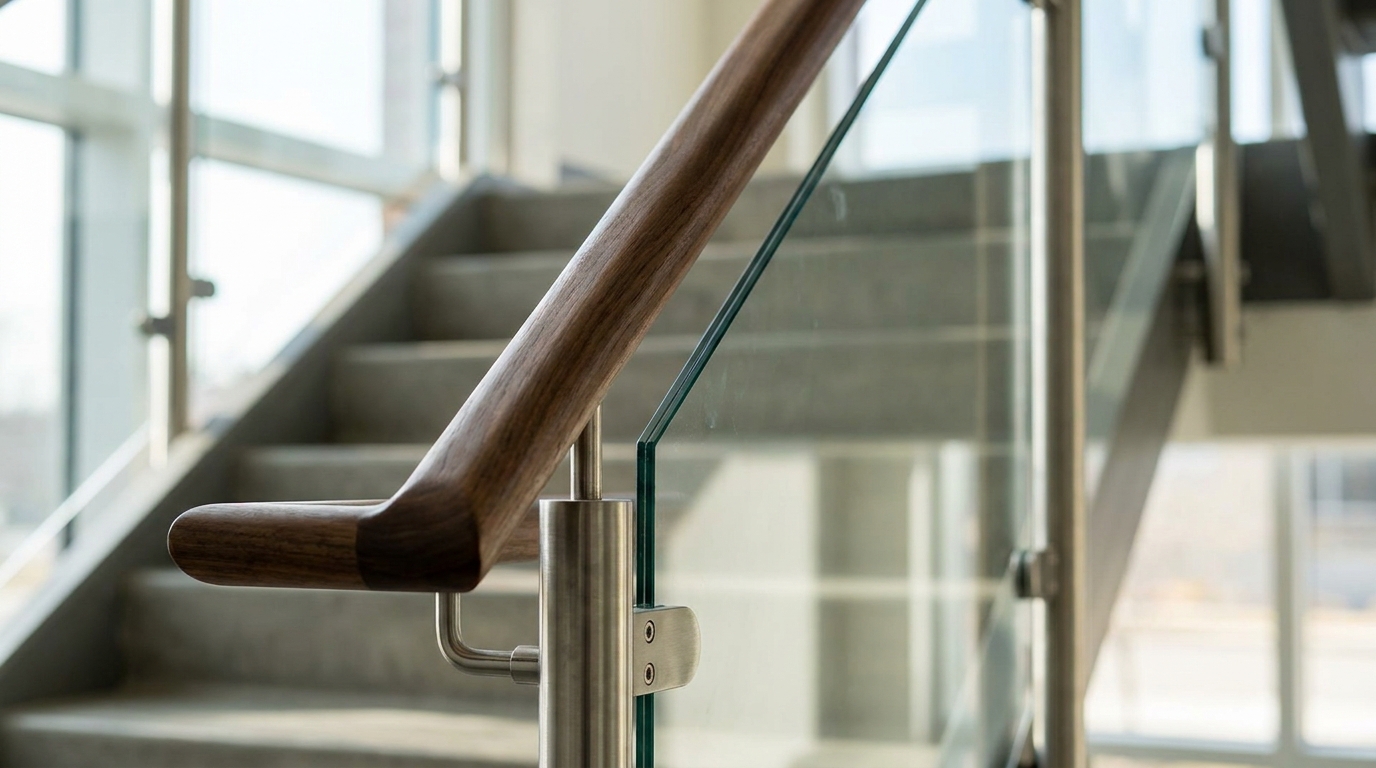
Staircase railings are far more than mere safety barriers; they are integral architectural elements that define the character of a space while fulfilling a crucial protective function. A well-designed railing system guides users securely between levels, preventing falls and offering stability. Beyond their practical application, railings significantly influence a staircase’s visual impact, transforming a utilitarian structure into a focal point of interior or exterior design. They can introduce texture, pattern, and form, echoing the overarching aesthetic of a building, whether it leans towards the ornate, the minimalist, or the industrial. The distinction between a “handrail” and a “railing” is subtle but important: a handrail is specifically the gripping surface for support, while the railing system encompasses the entire barrier, including balusters, newel posts, and the handrail itself. Both components must comply with stringent building codes, such as those set by the International Building Code (IBC) or International Residential Code (IRC), which dictate minimum heights, baluster spacing (typically no more than 4 inches to prevent children from passing through), and load-bearing capacities. Failing to meet these standards not only poses a significant safety risk but can also lead to costly remediation during inspections. According to the National Safety Council, falls are among the leading causes of accidental injury, underscoring the critical importance of robust and compliant staircase railings.
Selecting the Ideal Stair Railing Materials
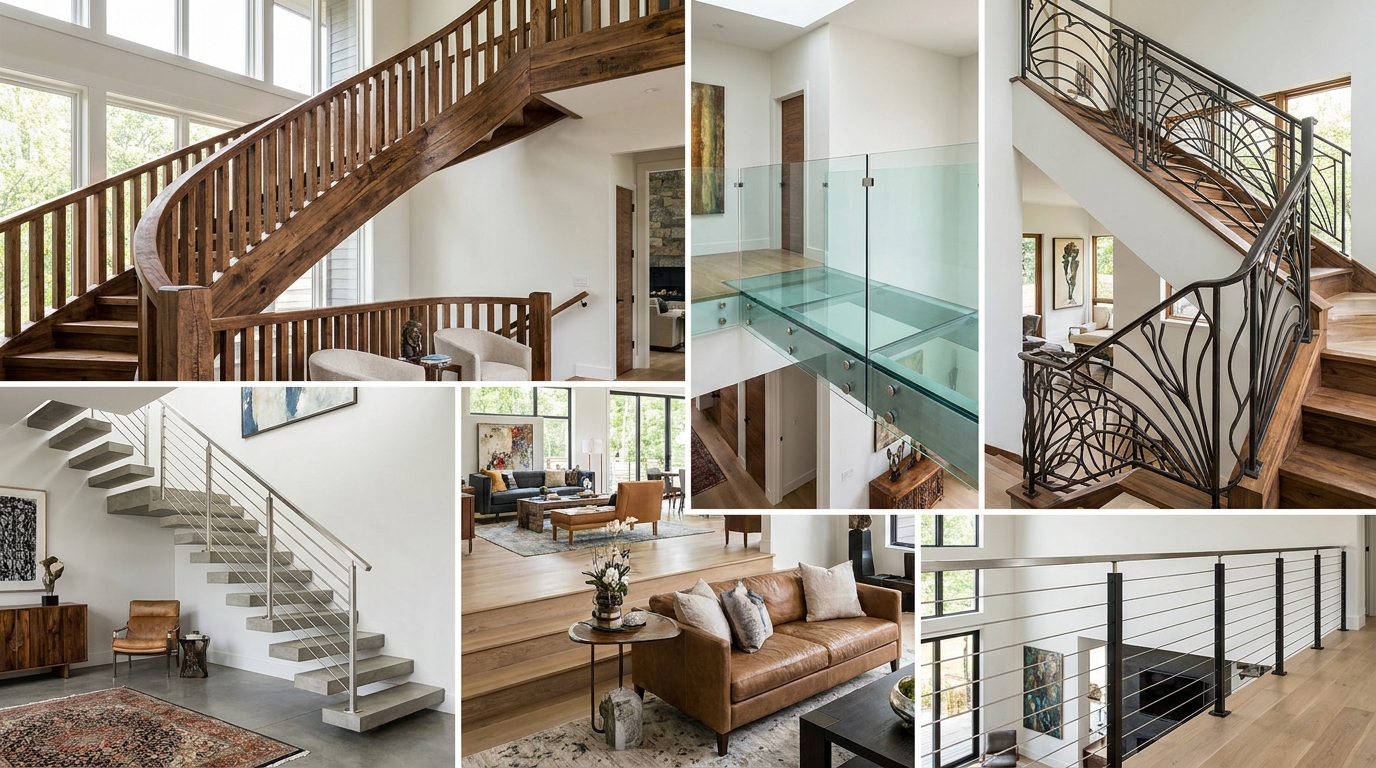
The choice of material for your stair railings dictates not only the aesthetic but also the durability, maintenance, and overall longevity of the installation. Each material offers distinct advantages and contributes uniquely to the design narrative of a home or commercial property.
Wrought Iron Railings: Timeless Elegance and Strength
Wrought iron railings offer a classic appeal, renowned for their exceptional strength and the ability to be forged into intricate, decorative patterns. This material is ideal for creating traditional, Mediterranean, or elaborate custom designs that evoke a sense of heritage and craftsmanship. The malleability of wrought iron during the manufacturing process allows for unique curves, scrolls, and filigree, making each piece a work of art. Historically, wrought iron was a pure form of iron, but today’s “wrought iron” products are typically made from mild steel with a low carbon content, offering similar aesthetic properties and durability. While incredibly strong, genuine wrought iron can be susceptible to rust if not properly treated and maintained, particularly in humid climates like Florida. Professional application of powder coatings or regular painting is essential for long-term preservation. Installation costs for custom wrought iron can range from $80 to $200 per linear foot, largely due to the bespoke fabrication and labor-intensive installation process.
Stainless Steel Railings: Modernity and Durability
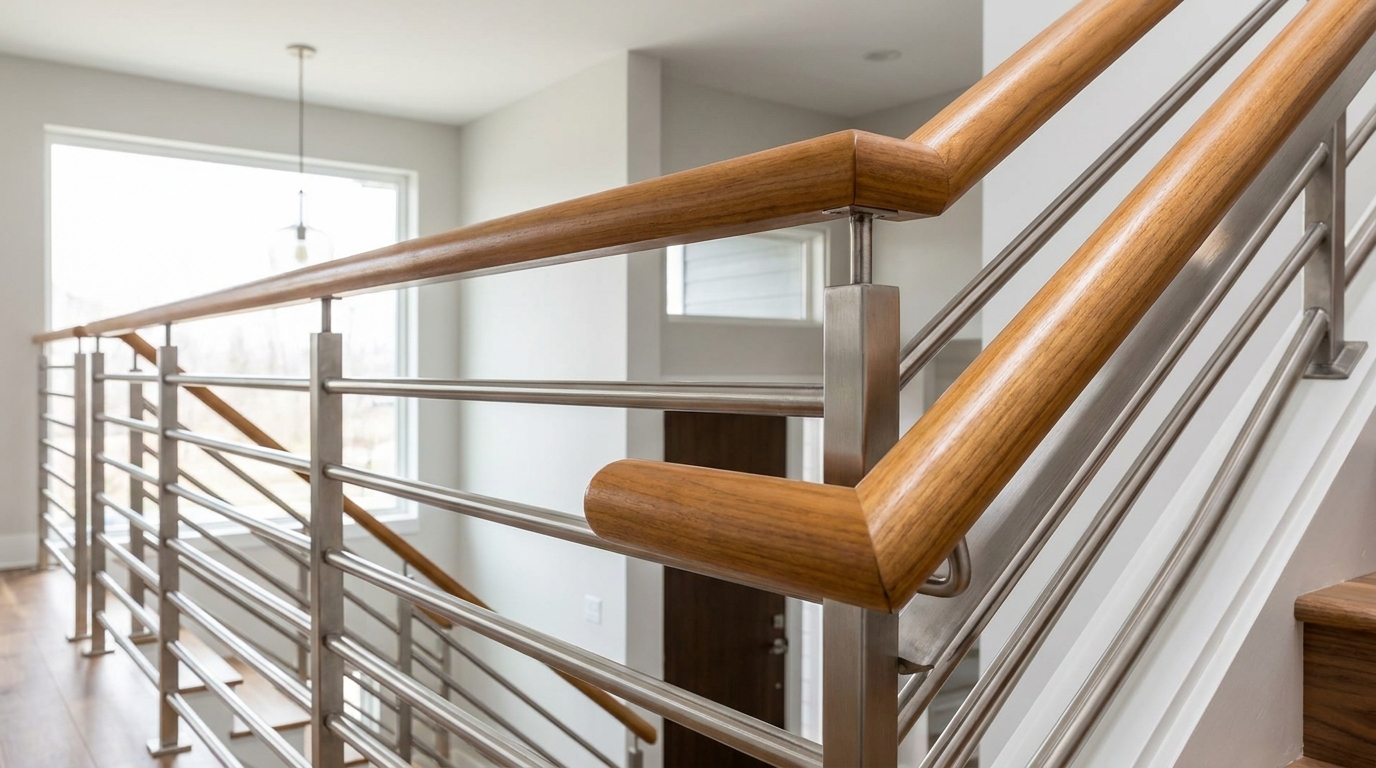
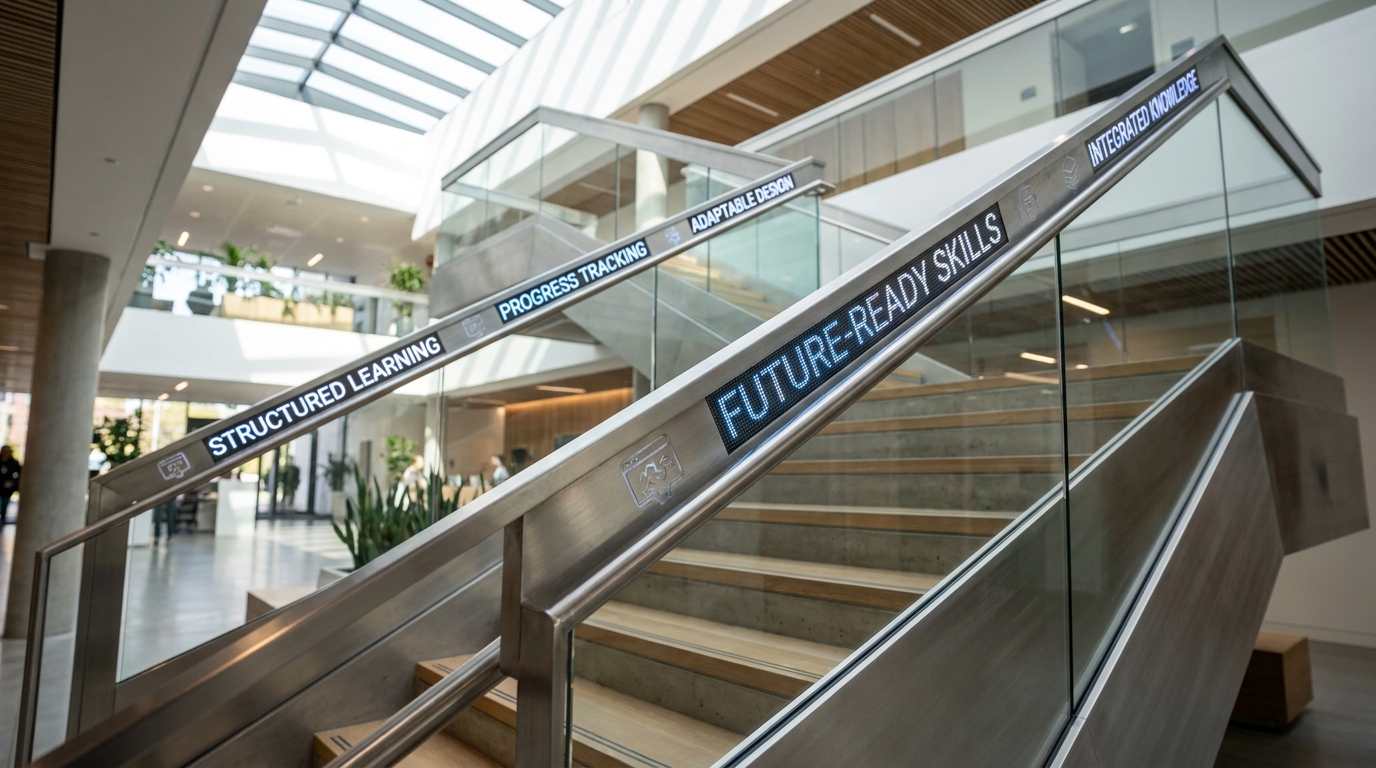
Stainless steel railings are a hallmark of contemporary architecture, prized for their sleek appearance, exceptional corrosion resistance, and minimal maintenance requirements. This material is an alloy containing chromium, which prevents rusting and staining, making it an excellent choice for both interior and exterior applications, especially in coastal environments where saltwater exposure is a concern. Stainless steel can be finished in various ways, from brushed satin to highly polished, offering versatility to complement diverse modern aesthetics. Its inherent strength makes it suitable for minimalist designs with slender profiles, maximizing light and space. Common applications include commercial buildings, luxury residences, and public spaces where both aesthetics and longevity are paramount. The average cost for stainless steel railing systems typically falls between $70 and $180 per linear foot, depending on the grade of steel (e.g., 304 vs. 316 for marine environments) and complexity of design. For more insights into local installations, consider exploring our services for stainless steel railing in Miami, Florida.
Aluminum Railings: Lightweight Versatility
Aluminum railings provide a highly versatile and cost-effective alternative to steel and iron. Being significantly lighter than other metals, aluminum is easier to handle and install, which can translate to reduced labor costs. Its natural resistance to rust and corrosion makes it an excellent choice for outdoor applications, particularly in areas exposed to harsh weather. Aluminum can be extruded into a wide array of profiles and shapes, allowing for diverse design possibilities, from simple picket styles to more ornate patterns. Powder coating can be applied in virtually any color, offering extensive customization to match specific decor schemes. While generally strong, aluminum is not as rigid as steel and can be more prone to denting if subjected to heavy impact. Price ranges for aluminum railings are typically between $50 and $120 per linear foot, making them an attractive option for budget-conscious projects without compromising on aesthetics or durability.
Glass Railings: Transparency and Openness
Glass railings are synonymous with modern luxury, creating an unobstructed view and an illusion of expansive space. They are particularly effective in areas where preserving scenic vistas or enhancing natural light is desired. Typically constructed using tempered or laminated safety glass panels, these systems are remarkably strong and secure. Tempered glass undergoes a process that makes it four to five times stronger than annealed glass, and if it breaks, it shatters into small, blunt fragments, reducing injury risk. Laminated glass consists of two or more panes bonded together with an interlayer, ensuring that if it breaks, the fragments remain adhered to the interlayer. Glass railings can be installed with minimal hardware (stand-offs, base shoes, or discreet clamps) for an almost invisible effect, or integrated with metal posts and handrails for a hybrid look. A common professional mistake is underestimating the weight of glass and failing to secure it properly, leading to structural instability. Prices for glass railing systems can vary widely, from $150 to $400 per linear foot, largely influenced by the type of glass, mounting hardware, and complexity of the installation. Learn more about elegant designs like a curved glass railing.
Wood Railings: Classic Warmth and Adaptability
Wood railings exude warmth, natural beauty, and a timeless charm that complements traditional and rustic aesthetics. Popular wood species include oak, maple, cherry, and mahogany, each offering unique grain patterns and color variations. Wood is highly adaptable, allowing for carving, turning, and shaping into various baluster and newel post designs. It can be stained, painted, or varnished to match any interior decor, providing immense flexibility in design. While beautiful, wood requires more maintenance than metal or glass, including periodic sealing, staining, or painting to protect against moisture, UV damage, and pests. It is generally suitable for interior use, but specific treated woods can be used outdoors if properly maintained. The cost of wood railings can range from $30 to $100 per linear foot for standard designs, but exotic wood species or highly intricate custom carvings can significantly increase this price.
Cable Railings: Industrial Chic and Unobstructed Views
Cable railings offer a distinctive modern aesthetic, characterized by thin, horizontal or vertical stainless steel cables strung between sturdy posts. This design provides an open, airy feel similar to glass but with a unique industrial-chic edge. Cable railings are highly durable, resistant to corrosion (especially with marine-grade stainless steel), and require minimal maintenance beyond occasional tightening of the cables. They are excellent for both interior and exterior applications, particularly on decks and balconies where preserving views is paramount. The “nearly invisible” quality of cable systems allows them to blend seamlessly into their surroundings while providing robust safety. Installation involves specialized tensioning hardware to ensure the cables are taut and meet deflection requirements, a critical safety aspect. Costs for cable railing systems typically fall between $80 and $200 per linear foot, depending on the post material, cable type, and hardware selected. Explore more about cable railing in Miami, FL.
Diverse Types of Railings for Stairs: Style and Structure
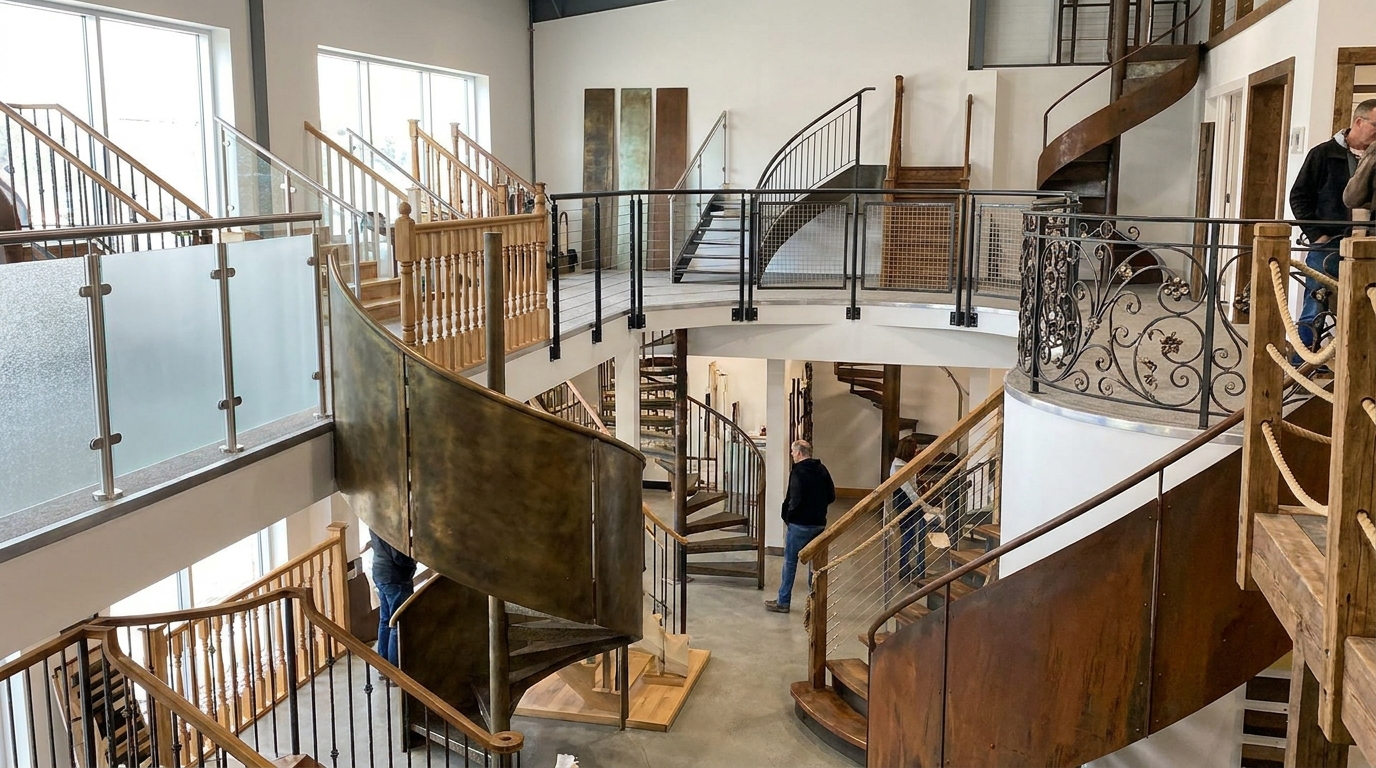
Beyond the material, the structural design of a stair railing plays a crucial role in its overall appearance and function. Different types of railing systems offer unique visual statements and levels of transparency, allowing for tailored integration into any architectural context.
Baluster Systems: Traditional and Versatile
Baluster systems are the most traditional and widely recognized type of stair railing. They consist of a series of vertical posts (balusters or spindles) spaced evenly between larger newel posts, all topped with a continuous handrail. Balusters can be crafted from various materials, including wood, wrought iron, aluminum, or stainless steel, allowing for immense design versatility. Wood balusters are often turned or carved, while metal balusters can feature intricate scrolls, twists, or simple, clean lines. This system provides a classic, robust barrier that can be easily customized to match existing decor. The spacing of balusters is strictly regulated by building codes to prevent small objects or children from passing through, typically requiring gaps no wider than 4 inches. This traditional approach offers a sense of enclosure and grandeur, making it suitable for classic homes, grand entrances, and even some transitional commercial spaces.
Panel Systems: Modern Aesthetics and Privacy
Panel systems utilize larger, solid panels as the primary infill between posts, rather than individual balusters. The most common type is glass panel railing, which maximizes light and offers unobstructed views, as discussed previously. However, panels can also be made from other materials such as perforated metal, laser-cut decorative metal sheets, or even acrylic. Metal panel systems can offer a degree of privacy, introduce unique patterns, or provide a solid, industrial aesthetic. They are particularly popular in modern and commercial settings where a sleek, continuous surface is desired. Panel systems typically require robust mounting hardware to secure the larger, heavier panels, ensuring stability and safety. When considering panel systems, it’s essential to ensure the chosen material and installation method comply with all load-bearing and impact resistance codes. According to a recent survey by the National Association of Home Builders, custom railings, including panel systems, can contribute to a 3-5% increase in perceived home value due to their contemporary appeal and custom craftsmanship.
Artistic and Custom Railings: Unique Expressions
For clients seeking a truly distinctive statement, artistic and custom railings offer boundless possibilities. These systems move beyond standard designs, incorporating unique forms, sculptures, or bespoke patterns that reflect personal taste or brand identity. This could involve complex laser-cut metal designs, hand-forged sculptural elements, integrated LED lighting, or innovative combinations of materials like exotic woods and custom glass. Our expertise lies in transforming abstract visions into tangible, functional art that becomes the centerpiece of a property. An expert recommendation for custom railings is to collaborate closely with a designer and fabricator from the earliest stages. A common mistake is to finalize staircase dimensions before conceptualizing the railing, which can limit creative options or significantly increase costs for modification. Early integration ensures the railing is not just an add-on, but an intrinsic part of the staircase’s architecture.
Key Considerations for Custom Stair Railing Installation
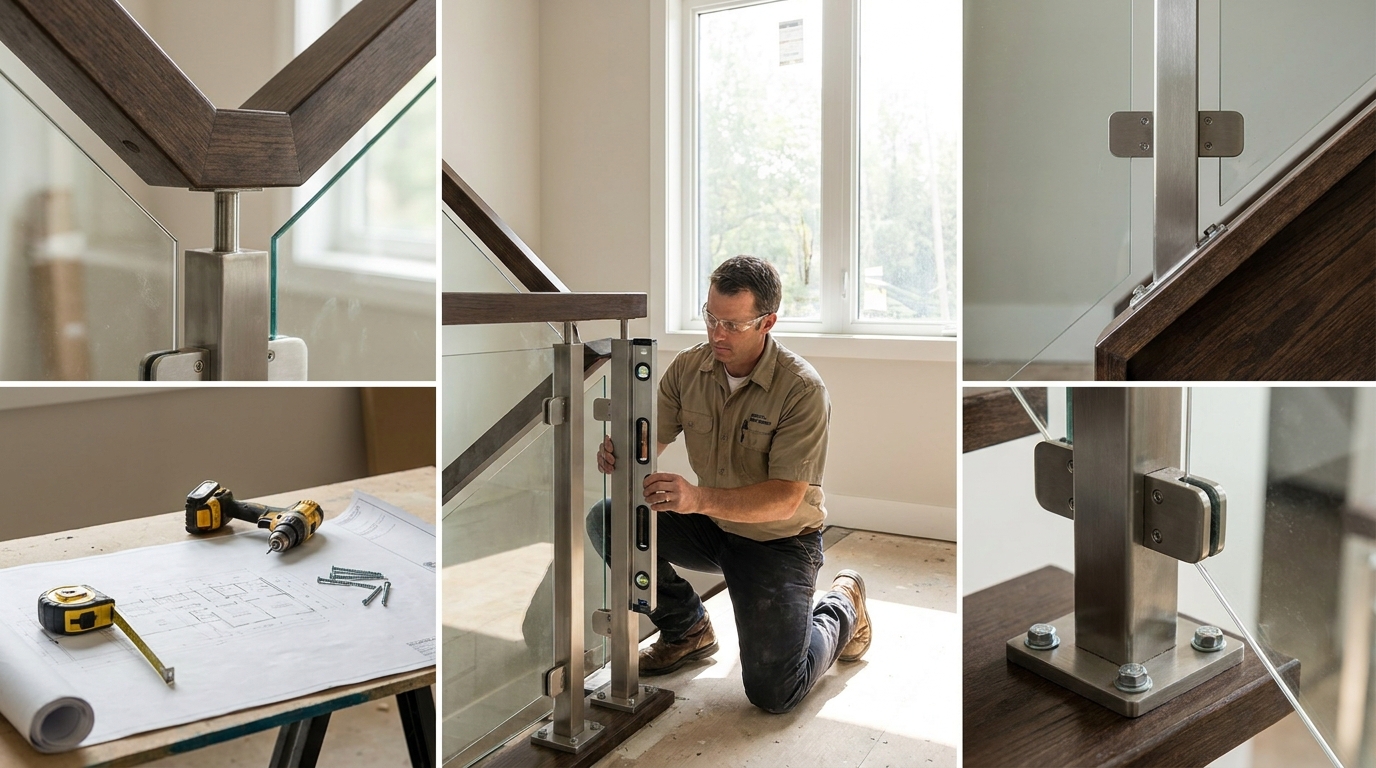
The successful installation of a custom stair railing involves several critical steps, from design conception to final execution, each demanding meticulous attention to detail and adherence to professional standards.
- Initial Consultation and Design: The process begins with understanding the client’s vision, functional requirements, and the architectural context. Our team collaborates to sketch initial concepts, material choices, and discuss finishes.
- Site Measurement and Code Compliance: Precise measurements of the staircase and surrounding space are taken. We meticulously review local building codes in Florida, Texas, or California, ensuring the design adheres to all safety regulations for height, baluster spacing, and load capacity. This is a non-negotiable step to ensure both safety and legality.
- Material Selection and Fabrication: Based on the approved design, premium materials such as wrought iron, stainless steel, aluminum, or glass are sourced. Our skilled craftsmen then meticulously fabricate each component in our workshops, using advanced techniques to ensure precision and quality.
- Finishing Touches: Metal components undergo processes like powder coating, polishing, or patination to achieve the desired aesthetic and enhance durability. Wood components are stained, painted, or sealed.
- Professional Installation: Our experienced installation team carefully transports and assembles the railing system on-site. This involves precise fitting, secure anchoring, and final adjustments to ensure perfect alignment, structural integrity, and a flawless finish.
- Final Inspection and Client Walkthrough: Upon completion, a thorough inspection is conducted to ensure every detail meets our high standards and the client’s expectations. A walkthrough with the client confirms satisfaction.
Budgeting for a custom railing should encompass more than just material costs. It must also account for design fees, fabrication labor, specialized finishes, and professional installation. While budget options might range from $30-$80 per linear foot for basic aluminum or wood systems, premium custom designs with intricate detailing or high-end materials like tempered glass or marine-grade stainless steel can easily reach $250-$400+ per linear foot. According to industry analysis by Grand View Research, the global stair and railing market is projected to grow significantly, indicating a continued investment in high-quality, custom solutions that enhance both safety and property value.
