

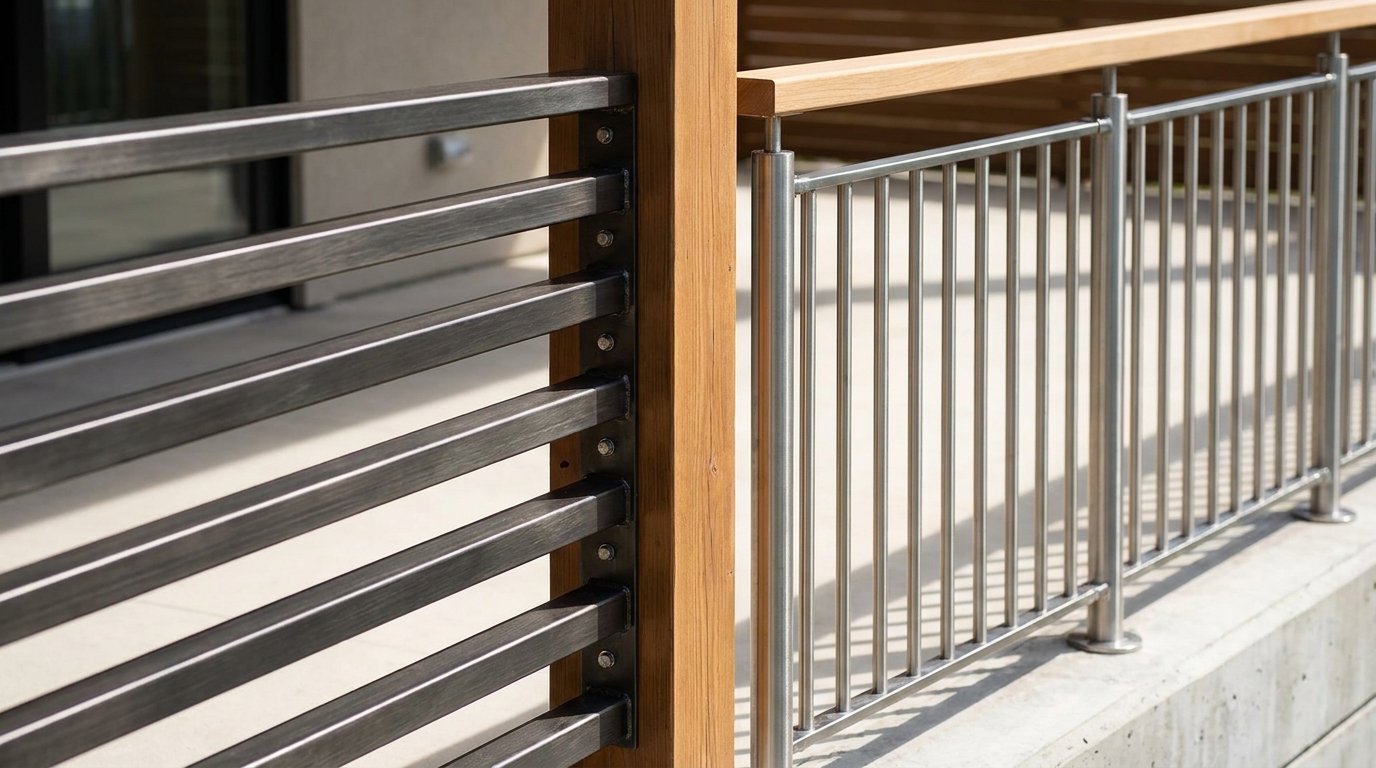
Your 3 Best Railing Anatomy Choices: Horizontal vs. Vertical
Understanding Railing Orientation: Horizontal vs. Vertical Anatomy for Your Staircase
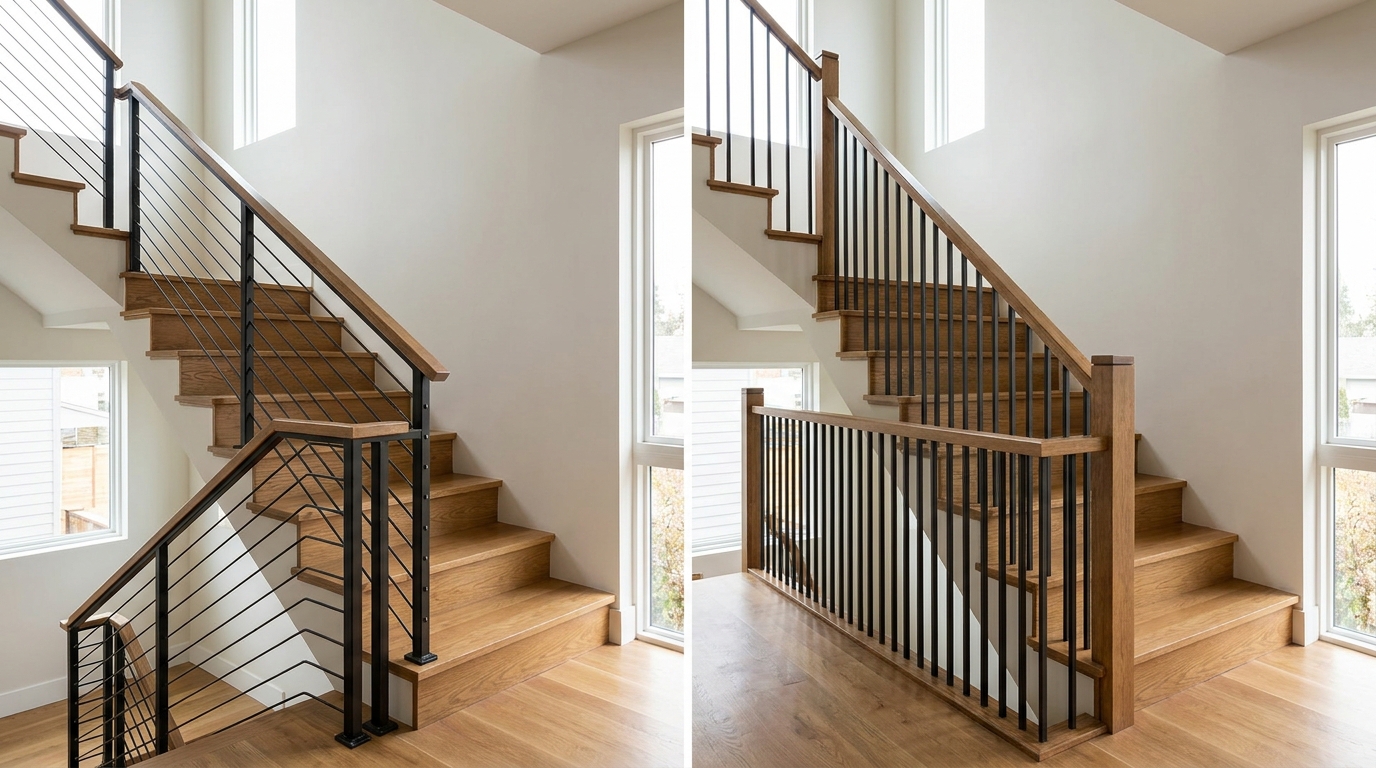
Selecting the optimal railing orientation for a staircase, whether horizontal or vertical, profoundly influences both the aesthetic and functional aspects of a space. For property owners prioritizing modern aesthetics and unobstructed views, a horizontal railing system often presents the superior choice. Its clean lines and parallel infill create a visually expansive feel, making it ideal for contemporary homes with scenic vistas where the goal is to seamlessly integrate indoor and outdoor environments. Conversely, for those with heightened safety concerns, particularly families with young children or pets, a vertical railing system is typically recommended. The upright balusters of vertical designs mitigate the climbing hazard inherent in horizontal configurations, offering a more secure barrier. Furthermore, vertical railings provide a timeless elegance adaptable to a wider range of architectural styles, from traditional to transitional, allowing for robust design versatility. The decision ultimately hinges on a balanced consideration of design vision, safety requirements, and the specific architectural character of your residential or commercial property.
Horizontal vs. Vertical Railing: Key Takeaways
- Horizontal railings offer a sleek, modern aesthetic and preserve sightlines, making them ideal for properties with desirable views.
- Vertical railings provide enhanced safety by minimizing climbing opportunities, a crucial consideration for families with children or pets.
- Material choice (wrought iron, stainless steel, glass, aluminum, cable) impacts both the structural integrity and visual appeal of each orientation.
- Building codes, such as the International Residential Code (IRC), dictate maximum opening sizes, which are critical for safe installation, especially with horizontal designs.
- Professional installation is paramount for both orientations to ensure structural stability, code compliance, and longevity, particularly for complex custom designs.
Aesthetic Impact: Horizontal Railings for Modern Appeal
Horizontal railings are synonymous with contemporary design, delivering an undeniable visual impact that accentuates modern architecture. The fundamental anatomy of a horizontal railing system typically involves sturdy posts at regular intervals, supporting infill elements such as cables, bars, or panels that run parallel to the stair treads and floor. This configuration inherently creates a sense of breadth and openness, extending visual lines across a room rather than drawing the eye upwards. For properties in West Palm Beach, Florida, or coastal areas of California, where panoramic views are often a primary feature, horizontal railings maximize transparency, allowing the surrounding landscape to become an integral part of the interior design.
Design flexibility is a hallmark of horizontal systems. Materials like polished stainless steel cables or slender aluminum rods offer a minimalist profile, reflecting light and adding a sophisticated sheen. Glass panels, when oriented horizontally within a framework, provide an almost invisible barrier, ensuring an entirely uninterrupted view. This sleekness makes horizontal railings particularly popular in open-concept living spaces, commercial lobbies, and waterfront residences where every element is carefully curated for a refined, expansive atmosphere. The linear patterns can also visually widen narrow staircases or hallways, contributing to a more spacious perception of the area.
The selection of infill material is critical to achieving the desired aesthetic with a horizontal railing. Stainless steel cables, for instance, offer industrial chic and impressive durability, requiring minimal maintenance. For a more substantial look, square or round metal bars, often in wrought iron or aluminum, provide greater visual weight while still maintaining the distinctive horizontal flow. Precision in installation is paramount to achieving the crisp, continuous lines that define this style; any misalignment can detract significantly from its intended effect. The sophisticated appeal of horizontal railings continues to make them a preferred choice for discerning clients seeking a contemporary edge.
Safety and Practicality: The Case for Vertical Cable Railings
Vertical railing systems, characterized by their upright balusters or cables, present a robust solution when safety is a primary concern. The core anatomy of a vertical railing involves vertical members, often called balusters or pickets, spaced closely between top and bottom rails, connecting to newel posts. This traditional configuration inherently deters climbing, making it a safer option for environments frequented by young children or pets. The International Residential Code (IRC) generally specifies that guardrails must not allow a 4-inch sphere to pass through any opening, a crucial safety standard that vertical designs inherently meet with proper baluster spacing. This adherence to strict safety guidelines provides homeowners and commercial property managers with peace of mind, knowing their staircase is secure.
Beyond safety, vertical railings offer significant practical advantages and design versatility. They can be manufactured from a wide array of materials, including classic wrought iron, durable aluminum, elegant stainless steel, or even custom wood. Each material lends itself to unique design opportunities. Wrought iron, for example, allows for intricate scrollwork and ornate patterns, perfect for traditional or Mediterranean-style homes prevalent in Florida. Aluminum provides a lightweight, corrosion-resistant option, ideal for both indoor and outdoor applications. For those seeking modern elegance with vertical lines, vertical cable railings offer a unique blend of sleek design and enhanced safety, utilizing taut stainless steel cables running vertically from the handrail to the floor.
From an installation perspective, vertical railings can sometimes be more straightforward, particularly with pre-fabricated baluster systems. However, custom designs involving specific spacing or complex material combinations still require expert craftsmanship to ensure structural integrity and aesthetic alignment. A common professional mistake to avoid is improper fastening of balusters to the top and bottom rails, which can lead to wobbling and compromise safety over time. Our skilled craftsmen always ensure each vertical element is securely anchored, providing a stable and reliable barrier. A well-installed vertical railing system not only enhances safety but also complements the architectural rhythm of a space, adding a sense of structure and timeless appeal.
Installation Complexities and Material Considerations for Stair Railings
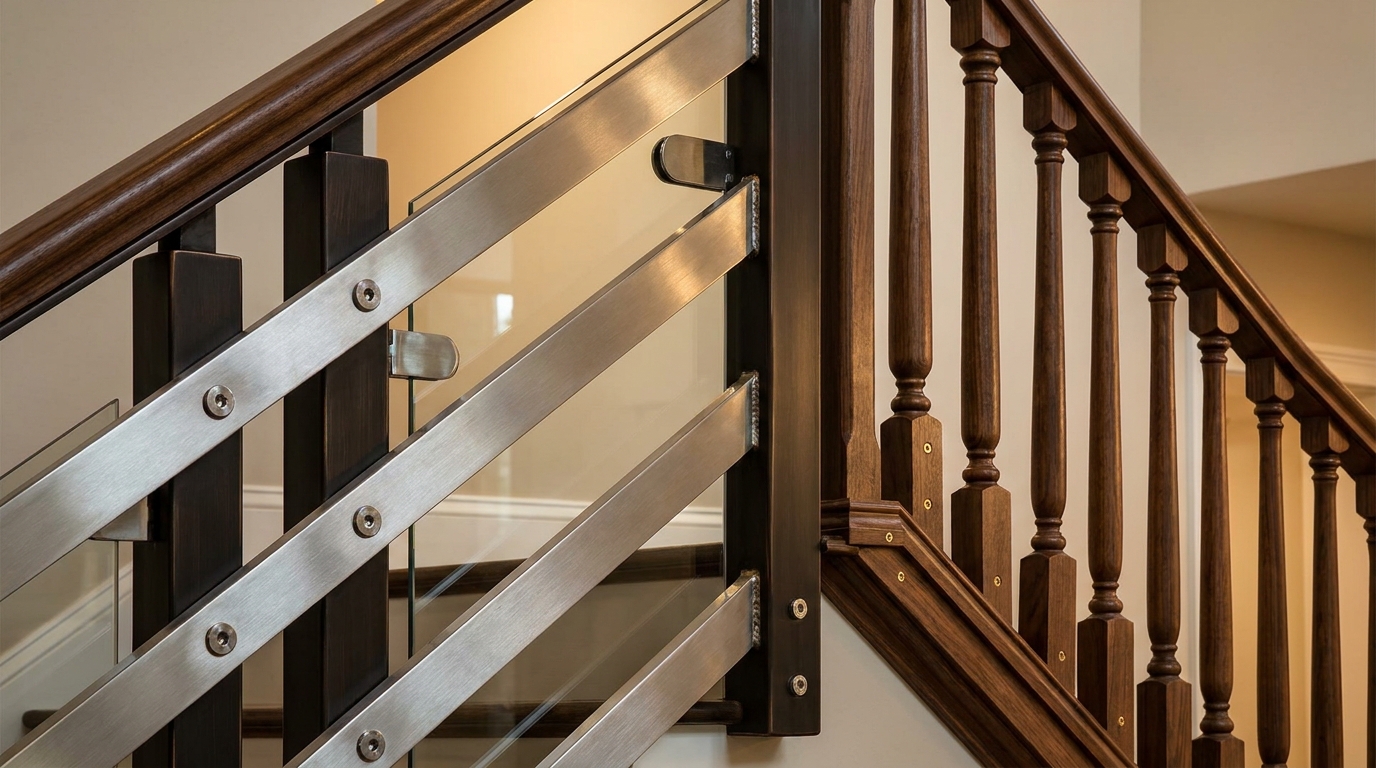
The installation process for stair railings differs significantly between horizontal and vertical configurations, impacting both labor costs and overall project timelines. Horizontal railing systems, especially those utilizing tensioned cables or multiple slender bars, often demand a higher degree of precision during installation. Each cable or bar must be taut and spaced uniformly, requiring specialized tensioning hardware and meticulous measurement to prevent sagging and ensure a clean, modern aesthetic. The attachment points for these elements, particularly on turns or curved staircases, necessitate sophisticated engineering and custom fabrication. For instance, installing a multi-line horizontal cable system can take 20-30% longer than a comparable vertical picket system due to the individual threading and tensioning required for each line. This complexity often translates to higher labor costs, ranging from $75 to $150 per linear foot for installation alone, depending on the material and intricacy.
Vertical railing installations, while generally less intricate in terms of tensioning, require precise baluster spacing and secure fastening to meet safety codes. Each baluster must be individually cut and attached, ensuring vertical alignment and stability. While seemingly simpler, inadequate fastening or improper spacing can lead to structural instability, a critical safety concern. A professional installer accounts for the specific load requirements and ensures all connections are robust. Materials significantly influence installation. Heavy wrought iron balusters demand strong anchoring points, often requiring welding on site, whereas lighter aluminum or wood balusters can be secured with mechanical fasteners. The choice of material is not merely aesthetic; it dictates the tools, techniques, and time required for a successful installation.
Material costs also vary widely, directly impacting the final budget. Aluminum railings, for example, offer a budget-friendly and low-maintenance option, typically costing $50-$150 per linear foot for materials. Stainless steel, favored for its durability and sleek appearance, ranges from $100-$300 per linear foot, while custom wrought iron, with its intricate designs, can easily reach $150-$400 per linear foot. Glass railings, whether tempered panels for horizontal or vertical applications, are at the higher end, typically $200-$600 per linear foot due to the specialized fabrication, weight, and installation requirements. According to a survey by the National Association of Home Builders, safety and durability are top priorities for over 80% of homeowners when selecting permanent fixtures like stair railings, emphasizing the importance of choosing materials that offer both. These costs are for materials only, with installation often adding another 30-50% to the total project expense.
Comparative Analysis of Railing Orientations
Understanding the key differences between horizontal and vertical railing systems is essential for making an informed decision for your property. This table provides a quick reference to their primary characteristics:
| Feature | Horizontal Railing | Vertical Railing |
|---|---|---|
| Aesthetic Style | Modern, contemporary, minimalist, expansive | Traditional, classic, transitional, structured |
| View Preservation | Excellent, highly transparent (especially with cables/glass) | Good, but can obstruct views more due to numerous uprights |
| Safety Concern (Climbing) | Higher risk for children/pets due to ladder effect | Lower risk, uprights deter climbing |
| Installation Complexity | More intricate (tensioning, precise spacing) | Generally less complex (individual baluster attachment) |
| Material Adaptability | Best with cables, bars, glass panels | Versatile: wrought iron, aluminum, stainless steel, wood, glass |
| Average Material Cost (per linear foot) | Cables/Bars: $80-$250; Glass: $250-$600 | Metal Pickets: $50-$400; Glass: $200-$550 |
| Maintenance Requirements | Regular cleaning, tension checks for cables | Regular cleaning, occasional paint/finish touch-ups |
Designing for Longevity: Factors Influencing Railing Durability
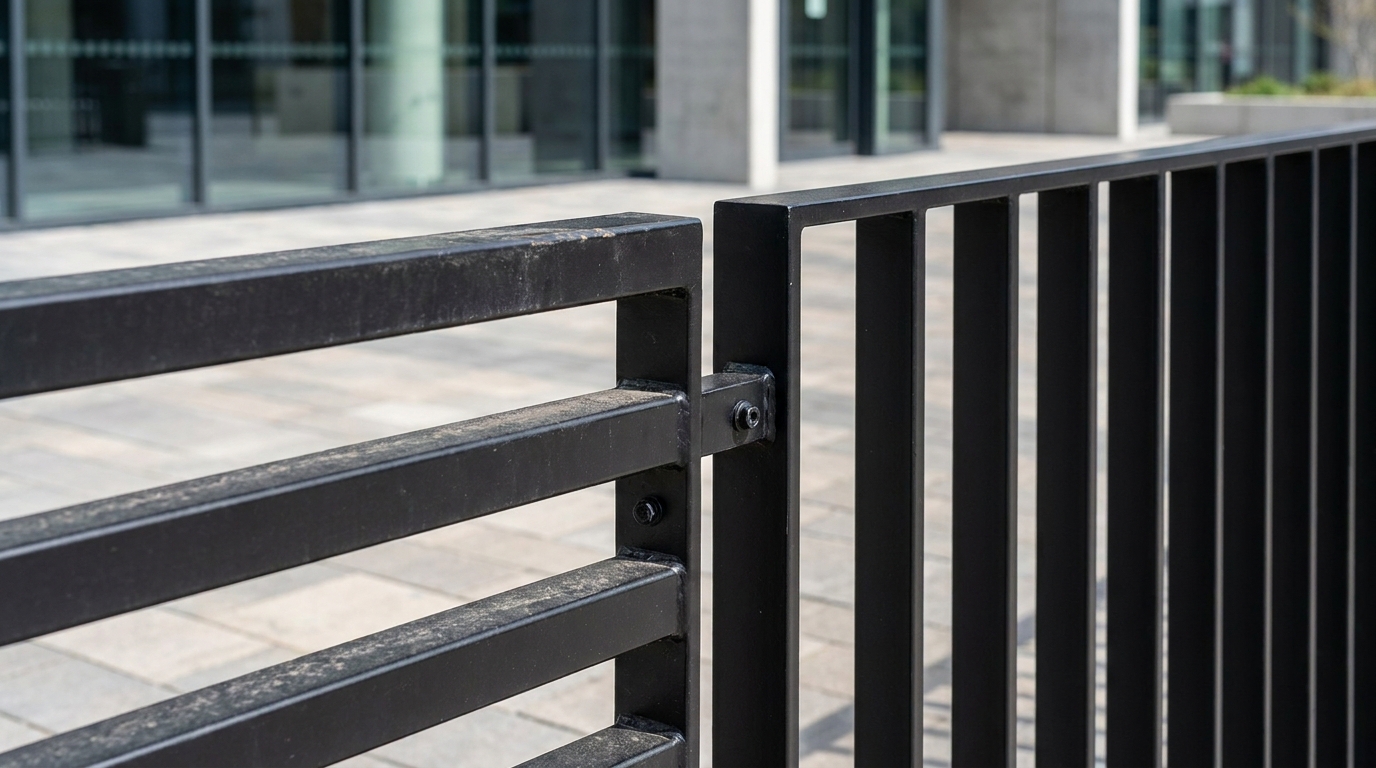
The longevity of a stair railing, regardless of its orientation, depends heavily on the quality of materials used, the precision of manufacturing, and the expertise of installation. When designing for durability, several critical factors must be meticulously considered. Stainless steel, particularly marine-grade 316, offers exceptional resistance to corrosion, making it an ideal choice for the humid Florida climate and coastal Texas or California properties. Wrought iron, when properly treated and coated, provides robust strength and can withstand significant wear, though it requires more diligent maintenance to prevent rust. Aluminum is another excellent option, offering a balance of strength, lightweight properties, and resistance to corrosion, often with a powder-coated finish for enhanced protection and aesthetic appeal.
The manufacturing process plays an equally vital role. Custom fabrication ensures that each component is precisely dimensioned and finished to tight tolerances, minimizing stress points and ensuring a perfect fit. For horizontal cable railings, the quality of the cable itself, along with the tensioning hardware, is paramount. High-grade stainless steel cables resist stretching and degradation, maintaining their aesthetic and structural integrity over decades. Inferior cables or fittings can lead to premature sagging and an unsightly appearance. Similarly, with vertical systems, the quality of welds for metal balusters or the fastening mechanisms for glass panels directly influences the railing’s ability to endure daily use and environmental stressors.
Professional installation, performed by experienced craftsmen, is the ultimate determinant of a railing’s lifespan. An installer must adhere to all local building codes, including specifications for load-bearing capacity and baluster spacing. For instance, improper anchoring of posts can lead to structural failure, a risk that a reputable contractor thoroughly mitigates. According to industry estimates, a properly installed, high-quality railing system can last 30-50 years or even longer with appropriate maintenance. This long-term value underscores the importance of investing in premium materials and expert installation rather than opting for cheaper, short-term solutions. Our commitment to craftsmanship ensures every railing we install is built to last, providing both beauty and security for generations.
Choosing the Ideal Railing for Your Property
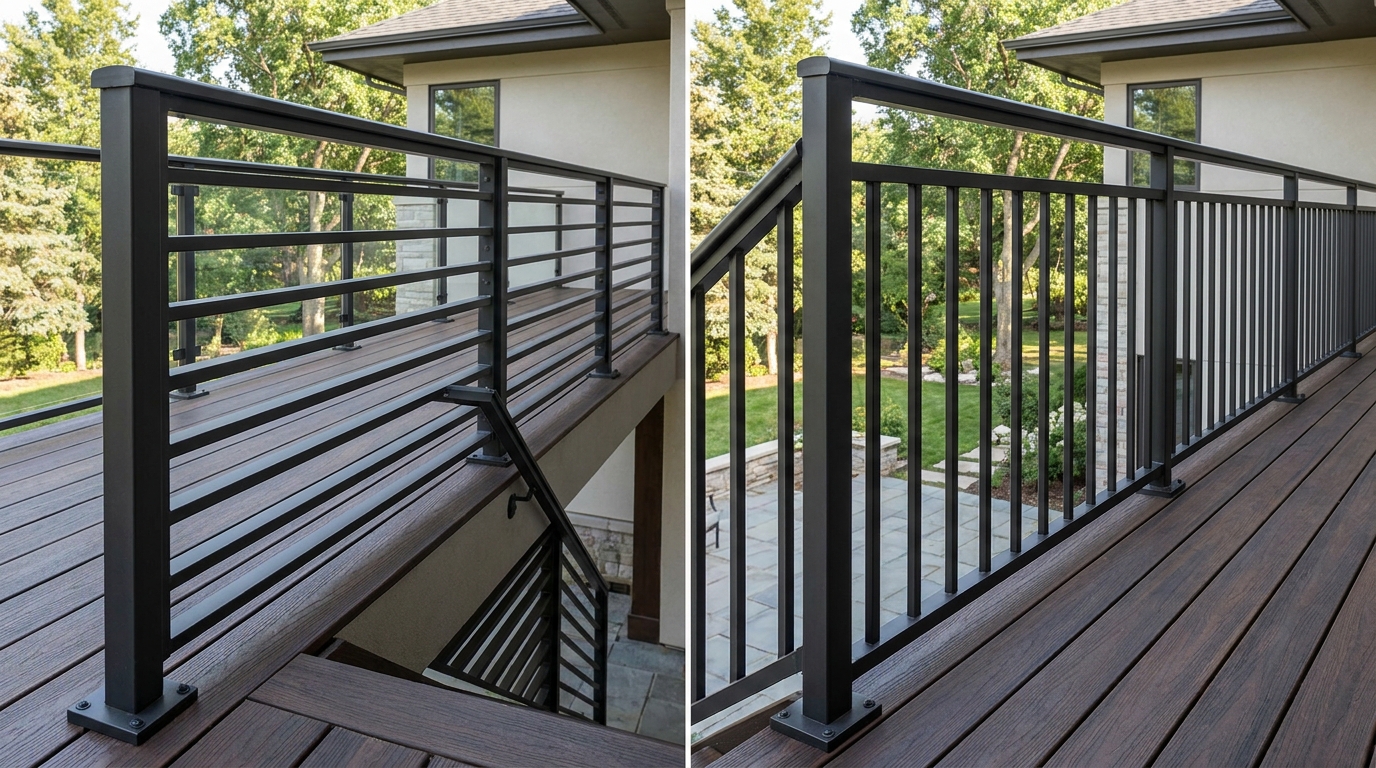
Selecting the ideal railing system for your property requires a holistic approach, weighing aesthetic desires against practical needs and regulatory compliance. The initial step involves clearly defining your design vision. Do you envision a sleek, minimalist space with an expansive feel, or a more traditional, ornate ambiance that exudes classic elegance? This fundamental decision will guide your consideration of horizontal versus vertical configurations.
Key Considerations for Selection:
- Architectural Style: Modern homes often benefit from horizontal lines, while traditional or transitional architecture may be better complemented by vertical elements. A contemporary home with clean lines might thrive with stainless steel horizontal cable railing, whereas a Mediterranean-style villa could be enhanced by custom wrought iron vertical balusters.
- Safety Requirements: Evaluate the occupants of the property. For families with small children or pets, vertical railings significantly reduce the risk of climbing and potential falls. Public or commercial spaces often have stricter safety codes that vertical designs more readily meet.
- View Preservation: If your property boasts breathtaking views of the ocean, a cityscape, or a lush garden, horizontal railings, especially those with minimal infill like glass or thin cables, offer unparalleled transparency, allowing the scenery to take center stage.
- Budget: Material and installation costs vary considerably. Establish a realistic budget, understanding that custom designs, premium materials, and complex installations will command higher prices. Remember that investing in quality can provide significant long-term value and reduce future maintenance.
- Maintenance Commitment: Consider the upkeep. While stainless steel and aluminum are relatively low-maintenance, requiring only periodic cleaning, wrought iron may need more regular inspection and recoating to prevent rust, especially in coastal environments.
- Local Building Codes: Always consult with a professional contractor to ensure your chosen railing system complies with all local building codes and safety regulations. These codes dictate everything from railing height to baluster spacing and load-bearing capacity.
An expert recommendation is to engage with experienced railing professionals early in the design process. They can provide invaluable insights into material suitability, structural integrity, and design possibilities that align with your vision and budget. Our team in West Palm Beach possesses years of experience in custom railing manufacturing and installation, guiding clients through every step to ensure the final product exceeds expectations. Property owners in Florida, Texas, and California trust our expertise to deliver durable, stylish, and code-compliant railing solutions.
