

Glass Railing vs Steel: How to Pick Your Best Option
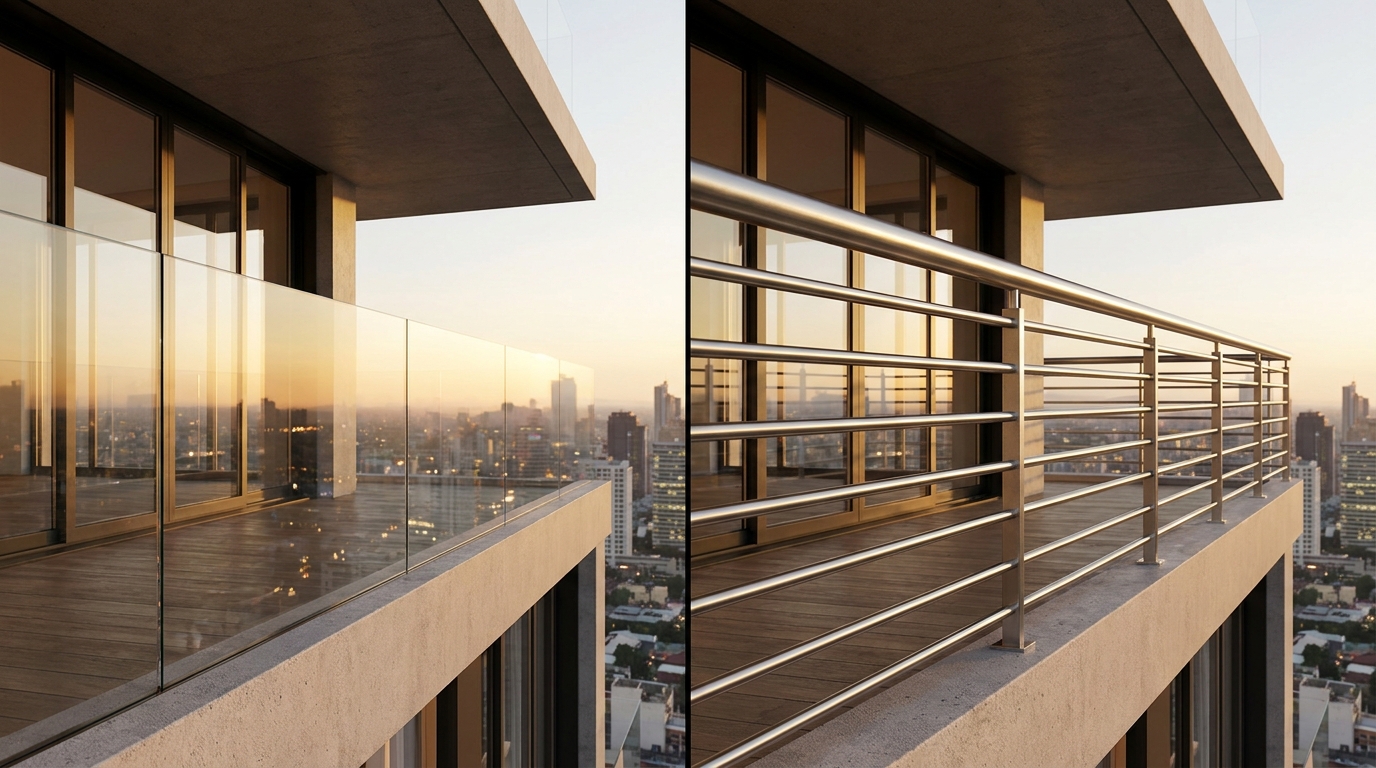
Choosing between a glass railing and a steel railing for your property involves balancing aesthetic aspirations with practical considerations such as durability, maintenance, and budget. For those prioritizing an unobstructed, contemporary visual appeal that maximizes light and enhances views, a glass railing system is often the superior choice, particularly for balconies, decks, and modern interior staircases. Its sleek, minimalist design creates an illusion of greater space and sophisticated elegance. Conversely, if your primary concerns are robust strength, enduring industrial or traditional aesthetics, and minimal long-term upkeep in high-traffic or demanding environments, a high-quality stainless steel railing system provides unparalleled resilience and versatility. Combining glass and stainless steel can also offer a synergistic solution, leveraging the best attributes of both materials to create a unique, structurally sound, and visually striking architectural feature. The ultimate decision hinges on specific design objectives, the property’s location and exposure to elements, and the desired level of investment in a premium, long-lasting railing solution.
Glass Railing vs Steel Railing: Key Takeaways
- Aesthetics vs. Durability: Glass railings excel in delivering modern, open aesthetics and maximizing light, while steel railings offer superior strength and a wider range of design versatility for both contemporary and traditional settings.
- Cost and Value: Glass railing systems typically involve higher upfront material and installation costs, but can significantly boost property value. Stainless steel, while also a premium option, often presents a more predictable cost structure and excellent long-term durability.
- Maintenance Differences: Glass requires more frequent cleaning to maintain its pristine appearance, especially from smudges and water spots. Stainless steel, particularly marine-grade varieties, offers lower daily maintenance, primarily needing periodic cleaning.
- Safety and Code Compliance: Both materials, when installed by reputable contractors, meet stringent building codes. Tempered or laminated glass provides exceptional safety, while steel’s inherent strength offers robust fall protection.
- Environmental Suitability: Stainless steel is highly adaptable to various climates, with marine-grade options ideal for coastal areas like Florida. Glass, while durable, requires consideration for bird safety in outdoor installations and can intensify heat in direct sun.
Understanding the Core Differences: Glass vs. Stainless Steel Railing
The fundamental distinction between glass and steel railing systems lies in their material properties and the aesthetic experiences they create. Glass, typically tempered or laminated safety glass, offers unparalleled transparency, fostering open spaces and allowing natural light to flow unhindered. This inherent quality makes it a favored choice for modern architectural designs where expansive views and a sense of weightlessness are paramount. The visual impact is one of lightness and sophistication, often transforming a functional barrier into an integral design element that blends seamlessly with its surroundings.
Stainless steel, by contrast, is celebrated for its remarkable strength, corrosion resistance, and industrial elegance. Available in various finishes, from brushed to polished, it provides a strong visual anchor and defines spaces with its clean lines and metallic luster. While steel balusters or posts will inherently obstruct views more than clear glass, modern steel railing systems often incorporate sleek cable infills, perforated panels, or even integrate glass panels themselves to maintain an open feel. The choice between these two materials therefore dictates not only the structural integrity but also the entire character and ambiance of a space.
In terms of physical attributes, glass, though durable, is a rigid material with specific impact resistance. Tempered glass, for instance, is four to five times stronger than annealed glass of the same thickness and, if broken, shatters into small, relatively harmless fragments. Laminated glass, however, holds its shape even when broken due to an interlayer, offering even greater safety. Stainless steel, particularly grades like 304 and 316, offers exceptional tensile strength and resistance to rust and wear, making it suitable for both indoor and outdoor applications in demanding environments. This inherent robustness contributes to its long lifespan and ability to withstand significant loads and impacts without deformation.
Cost Analysis: Glass and Steel Railing Investment
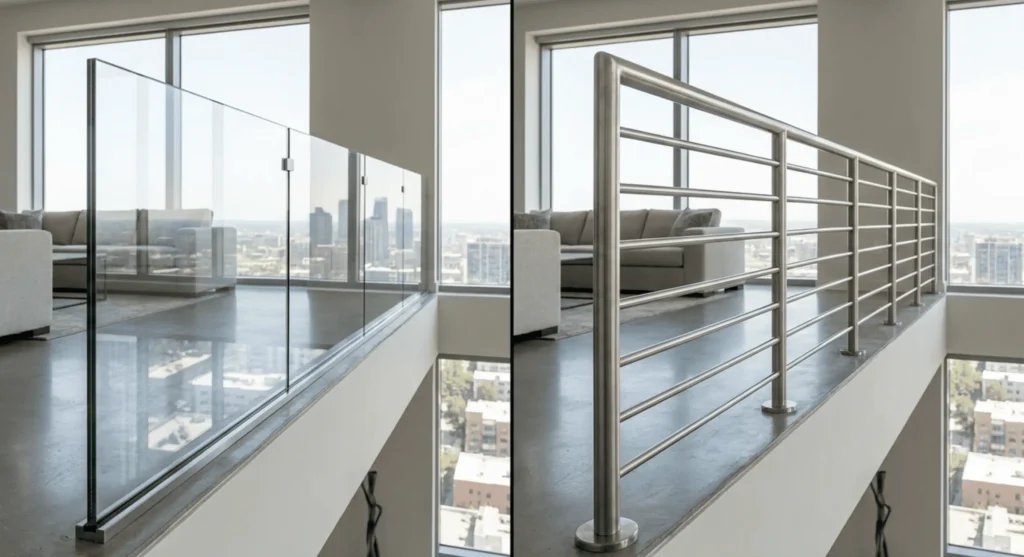
Assessing the cost of glass versus steel railing systems requires a holistic view that extends beyond initial material prices to include installation, long-term maintenance, and potential impact on property value. Generally, glass railing systems tend to have a higher upfront cost per linear foot compared to many steel options, primarily due to the specialized nature of tempered or laminated glass panels, custom fabrication, and the precision required for installation.
High-quality tempered glass panels alone can range from $50 to $150 per square foot, depending on thickness, type (clear, frosted, low-iron), and whether it’s laminated. The hardware, including base shoes, standoffs, or posts, can add another $30 to $100 per linear foot. Installation, which demands specialized skills to ensure proper alignment and secure mounting without compromising the glass, can represent 30-50% of the total project cost. For a comprehensive glass railing installation in Miami, Florida, clients can expect an average total investment of $250 to $700 per linear foot, with frameless systems at the higher end.
Stainless steel railing systems, while also a premium choice, often present a slightly lower, or at least more predictable, cost spectrum. The raw material cost for stainless steel (grade 304 or 316) can vary, but fabricated balusters, posts, and handrails typically cost between $40 to $100 per linear foot. When incorporating infill options like cable railing or custom panel designs, the cost can increase. Installation for stainless steel, while requiring precision welding and fitting, might be less specialized than glass in some aspects, resulting in labor costs that can range from $100 to $300 per linear foot. Overall, a complete stainless steel railing project could range from $180 to $550 per linear foot. Prices are highly variable based on design complexity, custom finishes, and regional labor rates.
From a long-term value perspective, both materials offer excellent return on investment. Glass railings are highly sought after in modern luxury homes, often increasing perceived value and contributing to faster property sales. According to a 2023 report by the National Association of Realtors (NAR), home improvements that enhance curb appeal and modern aesthetics, such as updated railings, can yield a significant return at resale. Stainless steel railings, known for their longevity and minimal degradation, offer enduring quality with very low replacement costs over decades. The decision often comes down to balancing the immediate budget with the desired aesthetic impact and specific environmental factors.
| Feature | Glass Railing | Stainless Steel Railing |
|---|---|---|
| Aesthetic Appeal | Modern, minimalist, transparent, maximizes views and light. | Sleek, industrial, contemporary, versatile (can be classic). |
| Material Cost (per linear foot) | $150 – $450 (panels & hardware) | $80 – $300 (posts, rails & infill) |
| Installation Cost (per linear foot) | $100 – $250 (specialized labor) | $100 – $250 (skilled fabrication) |
| Total Project Cost (per linear foot) | $250 – $700+ | $180 – $550+ |
| Durability & Strength | Very strong (tempered/laminated), shatters safely or holds. | Exceptional strength, highly resistant to impact and bending. |
| Maintenance | Requires frequent cleaning for smudges, water spots. | Low maintenance, periodic cleaning (especially marine-grade). |
| View Obstruction | Minimal to none (frameless or post-mounted). | Depends on infill; can be minimal (cable) or moderate (balusters). |
| Environmental Suitability | Excellent for indoor/outdoor; consider bird safety and heat. | Excellent for indoor/outdoor, marine-grade for coastal areas. |
The Aesthetics of Choice: Crafting Your Vision with Premium Materials
The selection of railing material significantly influences the overall architectural language of a space. Both glass and stainless steel offer unique aesthetic possibilities, allowing designers and homeowners to craft visions ranging from ultra-modern minimalism to sophisticated industrial chic. Understanding these inherent design characteristics is crucial for achieving the desired ambiance and functionality.
Glass Railings: Unobstructed Elegance and Modernity
Glass railings embody modern elegance. Their primary allure lies in their transparency, which allows for uninterrupted sightlines and an abundance of natural light. This makes them ideal for spaces where views are a premium, such as waterfront properties, urban high-rises, or open-concept interiors. Whether integrated into a staircase, balcony, or deck, glass panels create an expansive feel, blurring the lines between indoor and outdoor environments. Systems can be frameless, with glass panels secured by discreet base shoes or elegant standoffs, or semi-frameless, incorporating minimal posts to support the panels. The choice of glass—clear, frosted, tinted, or low-iron—further refines the aesthetic, allowing for varying degrees of privacy or enhanced clarity. This versatility in finish ensures that a glass railing can complement diverse material palettes, from natural wood to polished concrete, while always maintaining a clean, contemporary edge. For a truly seamless design, consider integrating a curved glass railing which can elegantly follow the contours of a spiral or curved staircase.
Steel Railings: Industrial Chic to Timeless Sophistication
Stainless steel railings offer a distinct aesthetic character defined by strength, precision, and versatility. Their inherent metallic sheen provides a sophisticated, often industrial, backdrop that can complement a range of design styles. A polished finish can exude luxury, while a brushed finish offers a more understated, contemporary look. Unlike glass, steel provides greater design flexibility in terms of infill options. Cable railing systems, a popular choice, consist of horizontal or vertical stainless steel cables stretched between posts, offering a semi-transparent barrier that maintains an open feel without the continuous surface of glass. This design is excellent for contemporary spaces and allows for airflow. Other options include traditional baluster designs, custom laser-cut panels, or even wire mesh, each providing a different level of opacity and texture. Stainless steel’s ability to be fabricated into intricate shapes and combined with other materials like wood or even glass makes it a highly adaptable choice for creating truly custom railing solutions that speak to both modern and more traditional sensibilities. Our expertise in stainless steel railing in Fort Lauderdale, Florida ensures a durable and stylish installation tailored to your specific needs.
Combining Glass and Stainless Steel Railings: A Synergistic Approach
The most visually striking railing designs often emerge from a thoughtful combination of glass and stainless steel. This synergistic approach leverages the strengths of both materials to create a harmonious blend of transparency and structural integrity. For instance, robust stainless steel posts can provide the necessary structural support and a defined aesthetic frame, while infill panels of clear glass maintain unobstructed views. This combination offers the best of both worlds: the clean, modern look of glass complemented by the industrial strength and sleekness of steel. Such designs are particularly effective in grand entrance staircases or expansive outdoor living areas, where the steel elements can anchor the design and provide a visual rhythm, while the glass allows the surrounding environment to remain the focal point. This hybrid approach enables sophisticated customization, allowing for railings that are not only supremely functional but also powerful architectural statements.
Safety and Building Codes: A Professional Perspective
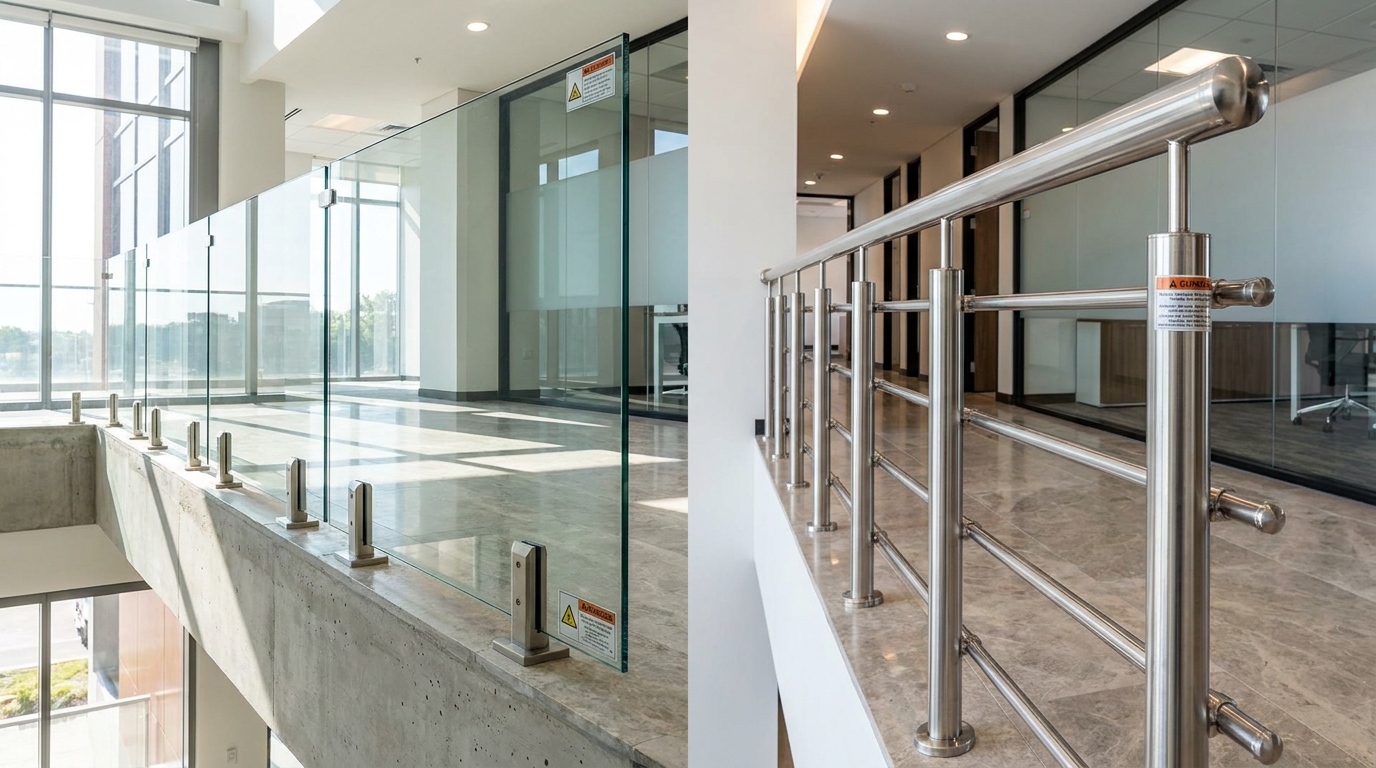
Ensuring safety and adherence to building codes is the paramount consideration for any railing installation, surpassing even aesthetic appeal. Both glass and stainless steel railing systems, when properly designed, manufactured, and installed by qualified professionals, are engineered to meet or exceed stringent safety standards. These standards are critical for preventing falls and ensuring the long-term integrity of the structure.
Ensuring Structural Integrity
For glass railings, safety hinges on using appropriate glass types and robust mounting hardware. Building codes typically mandate the use of tempered or laminated safety glass. Tempered glass is heat-treated to increase its strength significantly, and upon breakage, it shatters into small, blunt pieces, reducing injury risk. Laminated glass, comprising two or more panes bonded by a plastic interlayer, provides even greater safety as the interlayer holds the glass in place if shattered. The International Building Code (IBC) and International Residential Code (IRC) specify minimum glass thickness, typically 1/4 inch (6 mm) to 1/2 inch (12 mm) or more, depending on the application and load requirements. The mounting system—whether it involves robust base shoes, sturdy standoffs, or posts—must be engineered to withstand lateral forces, such as someone leaning against it, without deflection or failure. A professional installation includes meticulous planning for drainage in outdoor glass systems to prevent water pooling and potential structural issues.
Stainless steel railings derive their safety from the inherent strength of the material and precision fabrication. Grades 304 and 316 stainless steel are commonly used for their excellent tensile strength and corrosion resistance. Railing posts, balusters, and handrails must be adequately sized and spaced to prevent a sphere of specific diameter (usually 4 inches) from passing through any opening, thereby preventing small children from falling through or getting stuck. This is a critical requirement in both IBC and IRC. The attachment points to the structure must be engineered to transfer loads effectively, often requiring anchoring into concrete, steel, or reinforced wood. Welding and fabrication must meet industry standards to ensure structural integrity at all joints. An experienced fabricator understands the nuances of stress points and material fatigue, ensuring that the entire system performs as intended under various conditions.
Specific Code Requirements for Railings
Regardless of material, all railings must meet specific dimensional and load-bearing requirements.
- Height: The top of guardrails must be at least 42 inches (1067 mm) above the walking surface or stair nosing. Handrails on stairs typically need to be between 34 and 38 inches above the stair nosing.
- Opening Limitations: Gaps in the railing infill must prevent a 4-inch sphere from passing through, particularly in residential applications. Some commercial applications may have stricter requirements.
- Load Capacity: Railings must be designed to withstand minimum uniform and concentrated loads. For guardrails, this is typically a 200-pound concentrated load at any point along the top rail, and a uniform load of 50 pounds per linear foot.
- Handrail Grip Size: Handrails must have a graspable surface with specific dimensions to ensure a secure grip, essential for safe ascent and descent.
- Material Specification: All materials must be appropriate for their intended use and local environmental conditions, particularly in corrosive coastal areas where marine-grade stainless steel (316) is highly recommended.
Expert Recommendation: Common Mistakes to Avoid
A common mistake in railing projects, particularly with glass, is underestimating the importance of precise measurements and professional installation. Even a slight misalignment can compromise structural integrity and aesthetic appeal. DIY installation of glass railings is a frequent source of safety hazards and costly errors. Another critical error is using non-marine-grade stainless steel (e.g., 304 instead of 316) in coastal environments like West Palm Beach. The salt air and humidity will inevitably lead to “tea staining” or pitting corrosion, degrading the appearance and potentially the structural integrity over time. Always specify 316-grade stainless steel for outdoor coastal applications to ensure longevity and maintain the railing’s pristine condition. Furthermore, neglecting to review local building codes thoroughly can lead to costly rework and project delays. Engaging a reputable contractor with a proven track record ensures all safety and regulatory requirements are meticulously met.
Installation Considerations and Project Scope
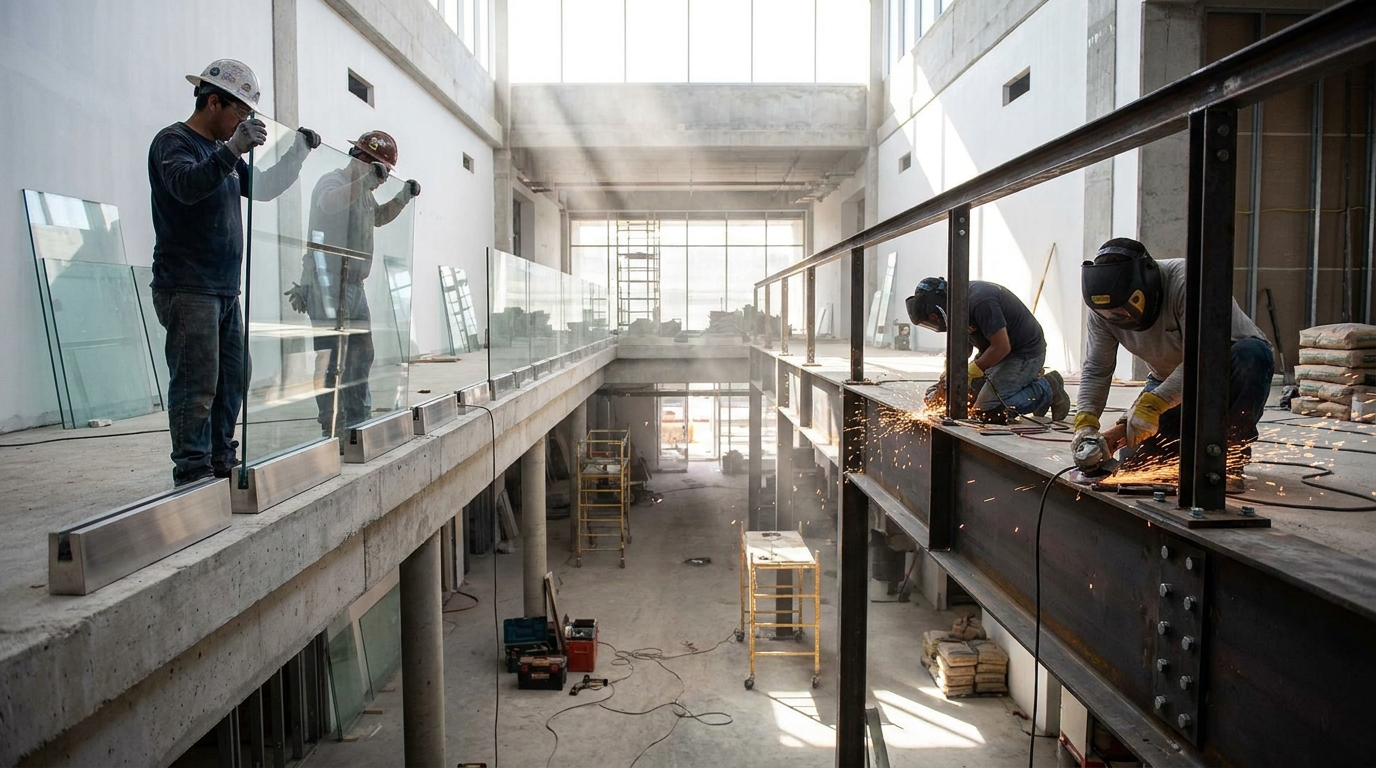
The installation process for glass and steel railings, while both demanding precision, presents distinct challenges and timelines. Understanding these factors is crucial for accurate project planning and setting realistic expectations for completion.
Complexity of Glass Installation
Installing glass railings is inherently more complex and labor-intensive than many other railing types due to the fragile yet heavy nature of the panels and the need for absolute precision. Each glass panel is custom-fabricated to exact specifications, often requiring precise templates of the staircase or balcony edge. During installation, glass panels must be handled with extreme care to prevent chips, scratches, or breakage, which could necessitate costly replacements and delays. The mounting hardware—whether a continuous base shoe, individual standoffs, or posts—must be perfectly aligned and securely fastened to the structural elements of the building. Any deviation can lead to aesthetic imperfections, compromised stability, or even failure. This precision work, combined with the specialized tools and techniques required, typically translates to a longer installation timeline and higher labor costs. For instance, installing a glass stair railing often involves complex cuts and fittings to follow the staircase angle precisely, adding to the intricacy.
Precision in Steel Fabrication and Fitting
Steel railing installation, while less fragile than glass, demands a high degree of craftsmanship in fabrication and fitting. Steel components, such as posts, balusters, and handrails, are often custom-welded or assembled on-site to ensure seamless joints and a robust structure. Accurate measurements are critical, as errors in cutting or bending can impact the entire system. For cable railing systems, precise tensioning of the cables is essential for both safety and aesthetics, requiring specialized tools and expertise. Welding in particular requires skilled technicians to ensure strong, clean, and aesthetically pleasing bonds that will withstand environmental stresses. While individual components like posts can be relatively straightforward to install, complex designs or those requiring extensive on-site fabrication can be just as labor-intensive as glass. The advantage lies in steel’s malleability and strength, which allow for minor adjustments during installation that might be impossible with pre-cut glass panels.
Timeline and Project Management
The overall project timeline for both glass and steel railings can range significantly. Custom glass railings typically require a longer lead time for material procurement and fabrication, often 4-8 weeks for custom tempered or laminated panels after precise measurements are taken. Installation can then take several days to a week or more, depending on the size and complexity of the project. Steel railings can sometimes have a quicker turnaround if standard components are used, but custom fabrication, especially for intricate designs or specialized finishes, can also extend lead times. Effective project management is crucial for both, ensuring coordination between design, fabrication, and installation teams to minimize delays and maintain quality. A seasoned contractor provides a detailed project schedule, transparent communication, and meticulous oversight from conception to completion.
For a successful railing project, consider the following steps:
- Initial Consultation and Design: Discuss your vision, budget, and functional needs with an experienced railing contractor. Explore design options, material combinations, and finishes.
- Site Measurement and Template Creation: Accurate measurements are critical. For complex designs, especially with glass or curved elements, laser scanning or physical templating ensures a perfect fit.
- Material Selection and Specification: Confirm glass type and thickness, steel grade (e.g., 316 marine-grade for coastal), finish, and all hardware components.
- Fabrication and Pre-assembly: Components are custom-made or assembled in a workshop, ensuring quality control and minimizing on-site work.
- Permitting and Code Review: The contractor should handle all necessary permits and ensure the design complies with local building codes and safety standards.
- Professional Installation: Skilled technicians install the railing system with precision, ensuring structural integrity, aesthetic alignment, and adherence to safety protocols.
- Final Inspection and Client Walkthrough: A thorough inspection by the contractor and client confirms satisfaction and addresses any final adjustments.
Environmental Factors and Material Suitability
The longevity and appearance of a railing system are significantly influenced by its environment. Florida’s unique climate, characterized by high humidity, intense UV radiation, and pervasive salt air in coastal regions, poses specific challenges that demand careful material selection.
Coastal Climate Challenges in West Palm Beach and Beyond
For properties in coastal areas like West Palm Beach, Miami, or Fort Lauderdale, the choice between glass and steel railing systems carries distinct implications due to the corrosive salt spray. Stainless steel, while generally corrosion-resistant, comes in different grades. Grade 304 stainless steel is excellent for most indoor applications and some outdoor uses in less corrosive environments. However, for direct exposure to salt air and ocean spray, Grade 316 stainless steel (often referred to as marine-grade) is absolutely essential. This grade contains molybdenum, which significantly enhances its resistance to chloride corrosion, preventing the unsightly “tea staining” and pitting that can occur with lesser grades. Without 316-grade steel, even high-quality stainless steel railings will show signs of rust and degradation within a relatively short period, compromising both aesthetics and structural integrity. For a stainless steel railing in Miami, Florida, specifying 316 is a non-negotiable professional recommendation.
Glass railings, while impervious to rust, face other environmental considerations in coastal climates. Salt spray can leave mineral deposits on the glass, requiring more frequent cleaning to maintain clarity. Furthermore, the intense Florida sun can heat glass panels considerably. While tempered glass is designed to withstand thermal stress, the increased surface temperature can be a factor for comfort in adjacent living spaces, or for minimizing glare. In outdoor settings, particularly for expansive glass panels, there is an expert consideration for bird safety. Large, clear glass surfaces can be difficult for birds to perceive, leading to collisions. Designers can mitigate this with subtle patterns, fritting, or strategic placement.
Indoor vs. Outdoor Applications
Both glass and stainless steel are suitable for indoor and outdoor applications, but their performance and maintenance needs vary. Indoors, both materials offer excellent durability and require minimal maintenance beyond routine cleaning. Glass provides an unrivaled sense of open space and elegance within foyers and stairwells, while stainless steel can define a modern interior with its sleek lines, often complementing other metallic finishes.
Outdoors, the environmental factors become more pronounced. Stainless steel, especially Grade 316, performs exceptionally well against the elements, resisting corrosion and maintaining structural integrity under wind and rain. For outdoor staircase railings, it provides a robust and long-lasting barrier. Glass railings outdoors deliver stunning views, but require more diligent cleaning to combat dirt, pollen, and water spots, particularly after rain. The selection of coatings or treatments for glass, such as hydrophobic layers, can reduce cleaning frequency by repelling water and dirt.
Cleaning and Care Guide
Proper maintenance ensures the longevity and beauty of both glass and stainless steel railings:
- Glass Railings: Clean regularly with a soft cloth and a non-abrasive glass cleaner or a mixture of water and vinegar. Avoid harsh chemicals or abrasive pads that can scratch the glass. For stubborn mineral deposits from hard water or salt spray, specialized glass cleaners designed for marine environments may be necessary. For outdoor installations, monthly cleaning is recommended in humid or coastal areas, with weekly spot cleaning as needed.
- Stainless Steel Railings: Periodically wipe down with a soft cloth and mild soap and water. For stubborn grime or fingerprints, a dedicated stainless steel cleaner can restore luster. Always wipe in the direction of the grain to prevent streaking. For outdoor installations, especially in coastal zones, a quarterly cleaning with a stainless steel passivation solution can help maintain its corrosion resistance by reinforcing the passive layer. Never use abrasive cleaners, steel wool, or harsh chemicals like bleach, which can damage the finish and initiate corrosion.
