

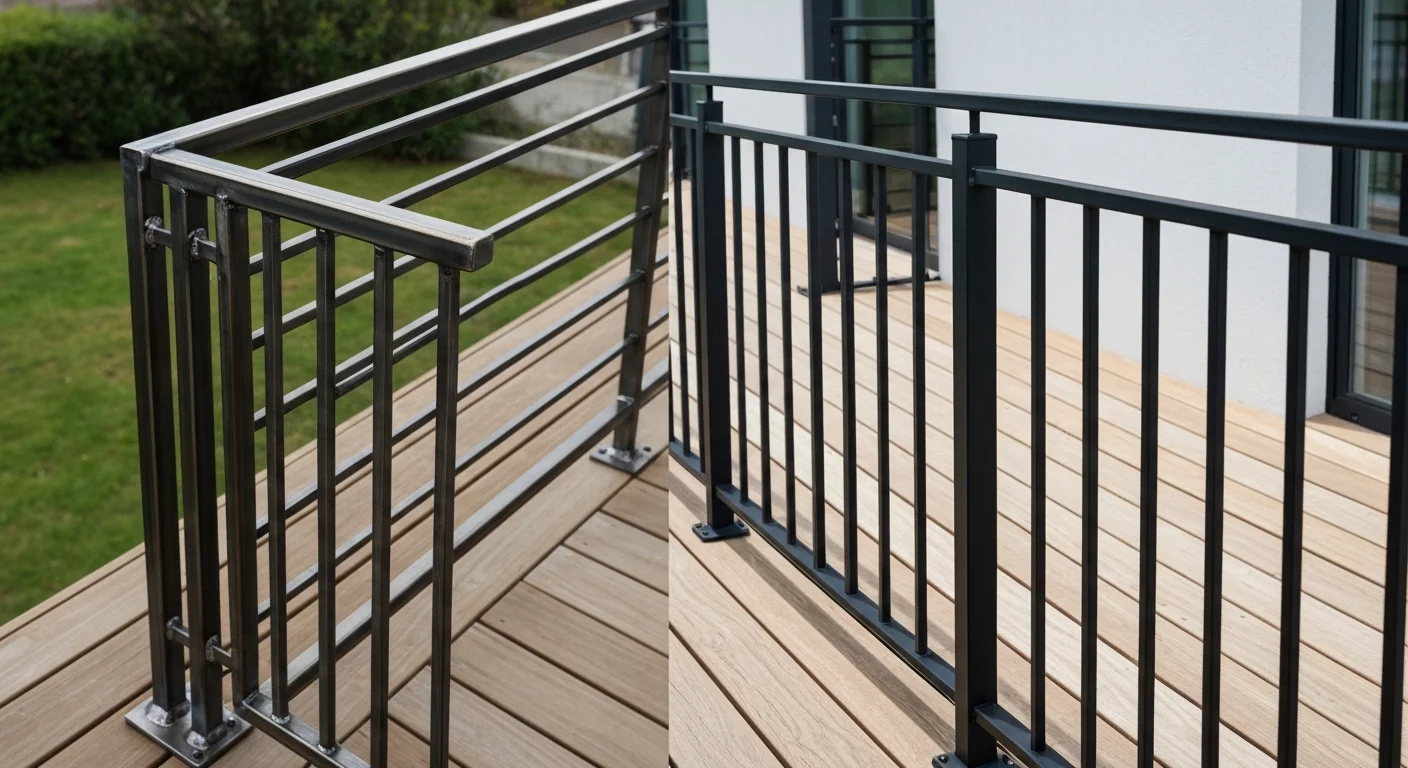
Steel vs. Aluminum Railings: Choosing the Metal That Works Best for Your Home
For high-traffic commercial environments, heavy-wind coastal zones, and ultra-modern luxury residences seeking maximum structural rigidity, steel railings are the superior architectural choice. Conversely, for coastal residential decks where low maintenance and resistance to salt spray are paramount, aluminum railings stand out as the most practical alternative. While steel offers unmatched tensile strength and a premium, solid architectural feel, aluminum provides a lightweight, highly customizable, and naturally rust-resistant solution. Selecting the right material requires balancing structural load requirements, environmental exposure, and your target budget. Luxury homeowners in Florida, California, and Texas frequently navigate this decision when designing custom staircases and outdoor balconies. In 2026, modern fabrication techniques have closed the aesthetic gap between these metals, making technical performance the deciding factor. Your choice ultimately hinges on whether you prioritize the heavy, permanent feel of hand-welded steel or the effortless maintenance of engineered aluminum.
Key Takeaways
- Steel provides up to twice the yield strength of aluminum, making it ideal for high-occupancy commercial and heavy-traffic residential spaces.
- Aluminum inherently resists red rust, dramatically reducing long-term maintenance in humid or coastal environments.
- Modern powder-coated finishes protect both metals, but steel requires periodic inspections to catch and repair chips before rust spreads.
- Steel installations require more labor and heavier anchoring, whereas modular aluminum systems install quickly with lower shipping costs.
- Galvanic corrosion represents a critical risk when aluminum railings touch steel or concrete without proper non-conductive barriers.
Structural Strength and Durability Comparison
Structural steel is widely recognized as the industry standard for ultimate load-bearing capacity and rigidity. The American Iron and Steel Institute states that structural steel offers a yield strength between 36,000 and 50,000 psi. In contrast, standard architectural aluminum alloys, such as 6063-T6, typically offer a yield strength of approximately 25,000 to 30,000 psi. This significant physical difference means steel can withstand far higher physical impacts without bending or warping.
In high-occupancy commercial venues or multi-family buildings, steel provides unparalleled peace of mind. It does not flex under heavy crowd pressure. The International Code Council sets building safety codes requiring railings to withstand a concentrated load of 200 pounds applied in any direction. While engineered aluminum systems meet this minimum code, steel railings exceed it by a massive margin. This makes steel the preferred option for public stairwells and industrial facilities.
Furthermore, steel’s structural rigidity allows for longer spans between posts. This reduces the number of vertical supports required, creating cleaner sightlines. Aluminum railings require more frequent posts to prevent deflection under load. If your architectural design calls for minimalist, expansive runs of railing, steel is the logical structural engineering choice. For high-wind areas, steel’s dense weight also helps anchor the system securely against severe updrafts.
Choosing Between Steel and Aluminum Railings for Corrosion Resistance
Choosing between steel and aluminum for corrosion resistance requires evaluating your local climate, as aluminum inherently resists oxidation while steel requires advanced protective coatings. Coastal regions present harsh challenges for metal architectural elements. Salt air accelerates electrochemical reactions that quickly destroy unprotected metal surfaces. Aluminum naturally forms a microscopic, protective oxide layer when exposed to air. This self-healing barrier prevents deep corrosion, making aluminum incredibly resilient in marine environments.
Steel contains iron, which oxidizes rapidly when exposed to oxygen and moisture. This process forms red rust, which can quickly compromise structural integrity. To prevent this, fabricators must apply protective coatings. Galvanization coats the steel in zinc, providing sacrificial protection. High-quality powder coating adds another durable polymer barrier over the galvanized steel. This combination creates a highly durable shield against the elements.
When comparing choosing between glass and steel railings, or evaluating steel versus aluminum, climate is everything. For oceanfront balconies in Florida or California, aluminum is the safer, low-maintenance option. If you select steel for a coastal project, you must commit to premium finishes. Marine-grade stainless steel (316 grade) offers excellent resistance, but it carries a higher price tag. Carbon steel requires flawless powder coating and routine washing to prevent rust from taking hold.
Cost Comparison: Steel Railing vs. Aluminum Systems
In 2026, the cost of steel railings ranges from $150 to $350 per linear foot installed, while premium aluminum railings typically cost between $80 and $200 per linear foot. This price difference stems from both raw material costs and fabrication labor. Steel is a dense, heavy material that requires specialized cutting, welding, and grinding. Welders must manually assemble steel railings in a fabrication shop, which increases labor costs. Additionally, the heavy weight of steel increases shipping and handling expenses.
Aluminum is highly malleable and easy to extrude. Manufacturers can produce aluminum railing components in large quantities through extrusion processes. These pre-engineered components often snap or screw together on-site. This modular design significantly reduces installation labor costs. Homeowners looking for a balance of cost and durability often choose aluminum for large outdoor decks.
However, you must consider the long-term cost of ownership. Aluminum railings require virtually zero maintenance over their lifespan. They do not need painting, scraping, or rust-treatment. Steel railings, even when powder-coated, may require touch-ups or recoating after ten to fifteen years of exposure. Therefore, while aluminum has a lower upfront cost, it also delivers a superior return on investment over time.
| Performance Metric | Steel Railings | Aluminum Railings |
|---|---|---|
| Average Cost (Installed) | $150 – $350 per linear foot | $80 – $200 per linear foot |
| Yield Strength | 36,000 – 50,000 psi | 25,000 – 30,000 psi |
| Corrosion Resistance | Requires galvanization or powder coating | Naturally rust-resistant; ideal for coasts |
| Weight (Per Cubic Foot) | Approximately 490 lbs | Approximately 168 lbs |
| Lifespan Maintenance | Moderate; requires periodic rust inspections | Low; requires occasional soap and water wash |
Installation, Weight, and Structural Engineering Considerations
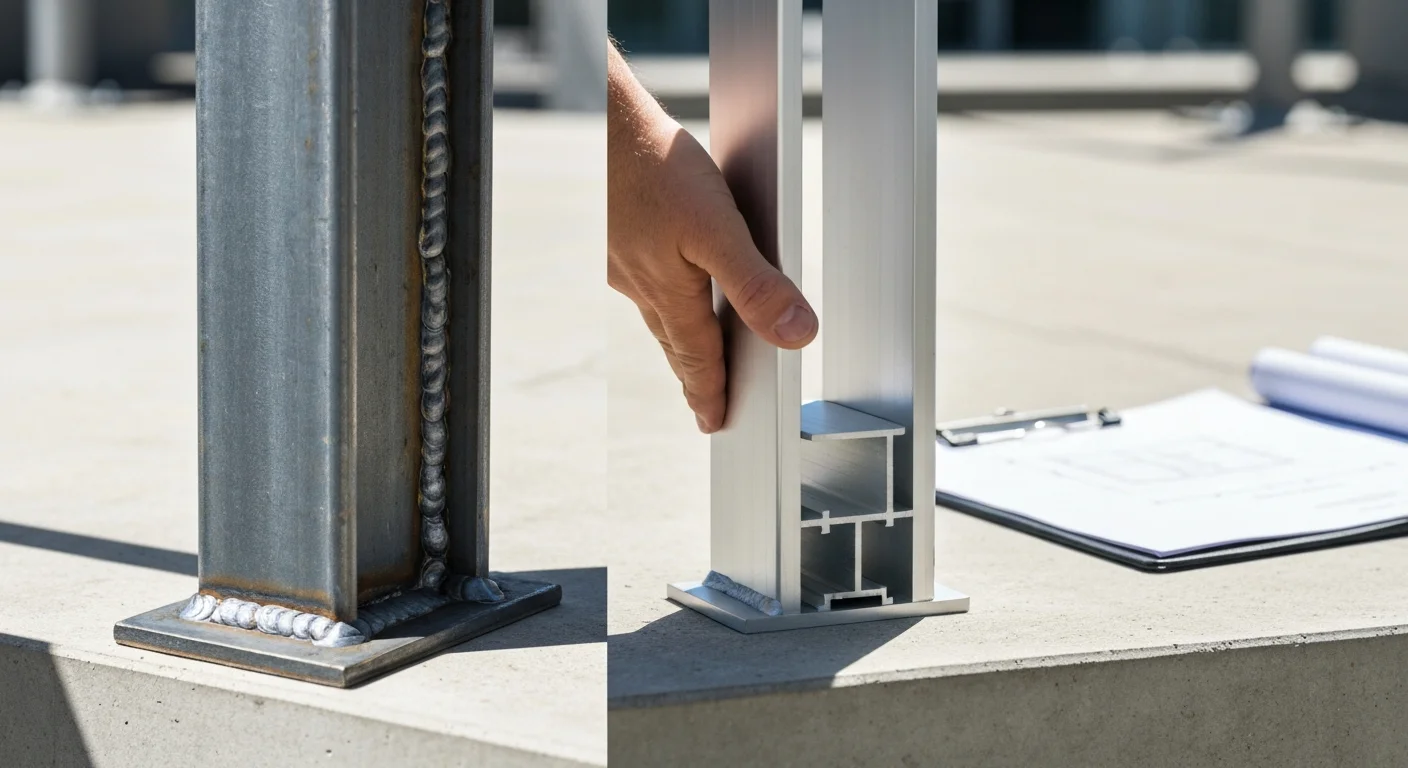
Installing steel railings demands heavy-duty structural anchoring and professional welding, whereas aluminum railings offer lightweight, modular installation that reduces structural load on decks and balconies. Weight plays a critical role in structural engineering. Steel weighs approximately 490 pounds per cubic foot. Aluminum weighs only 168 pounds per cubic foot, making it roughly one-third the weight of steel.
This weight difference impacts the structural design of your home or building. On cantilevered balconies or wood-frame decks, heavy steel railings add significant dead load. Engineers must verify that the framing can support this additional weight. If you are retrofitting an older deck, aluminum is often the only viable choice to avoid structural reinforcement. Feel free to explore our guide on the best types of deck railings to see how weight factors into deck design.
Furthermore, installing steel railings is a labor-intensive process. Installers must handle heavy components, often requiring multiple people or specialized lifting equipment. On high-rise construction projects, hoisting steel to upper floors increases logistics costs. Aluminum’s lightweight nature simplifies transport, handling, and installation, which accelerates construction timelines. This makes aluminum highly attractive for large-scale developments.
Aesthetic Design Styles: Modern, Classic, and Industrial Aesthetics
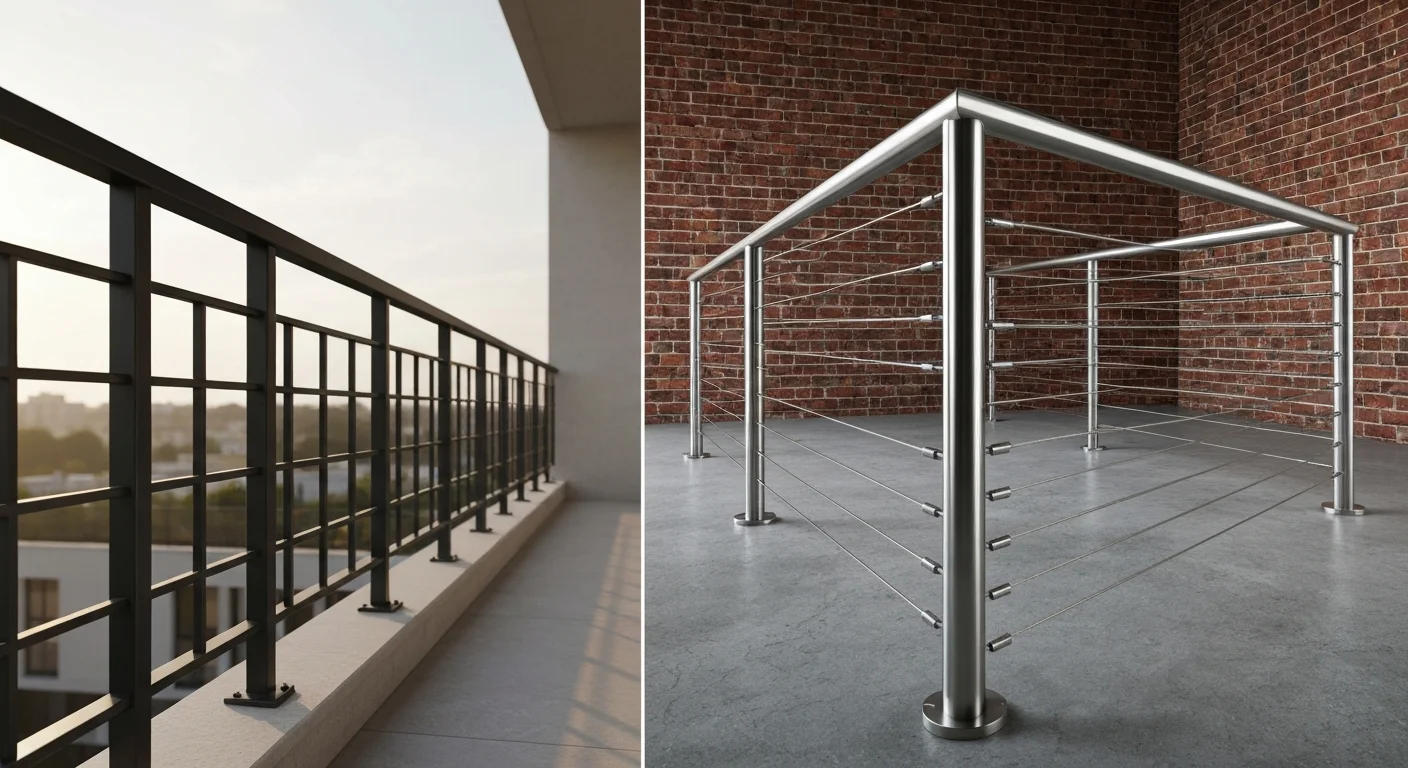
Aesthetic preferences dictate whether you choose the solid, hand-crafted elegance of custom steel or the sleek, minimalist uniformity of modern aluminum systems. Steel railings excel in traditional, classic, and industrial designs. Skilled blacksmiths can forge steel into intricate shapes, scrolls, and custom patterns. Wrought iron and steel handrails offer a timeless, historic appeal that aluminum cannot perfectly replicate. The welds on a steel railing are typically ground smooth, creating a seamless, monolithic appearance.
Aluminum railings excel in modern, contemporary, and minimalist designs. Because aluminum is extruded, it features precise, clean lines and sharp angles. This crisp appearance is perfect for modern architectural styles. Many aluminum systems utilize hidden fasteners to maintain a sleek, uninterrupted profile. These systems provide a clean frame for cable or glass infills, maximizing your views.
However, aluminum cannot easily achieve the organic, hand-forged curves of custom steel. If your home features a grand, curved staircase, a custom steel railing is irreplaceable. For linear, geometric deck railings, aluminum provides a clean, modern aesthetic that complements contemporary homes beautifully. Ultimately, your choice should match the architectural language of your property.
Environmental Impact and Sustainability Profile
Evaluating the environmental impact of steel vs aluminum railings reveals that both metals offer excellent recyclability, but their manufacturing carbon footprints and lifespans differ significantly. The Aluminum Association reports that nearly 75 percent of all aluminum ever produced is still in active use today due to its infinite recycling cycle. Recycling aluminum requires only five percent of the energy needed to produce primary aluminum from bauxite ore. This makes recycled aluminum an exceptionally green building material.
Steel is also highly sustainable. It is the most recycled material on the planet. Most structural steel produced today contains a high percentage of recycled content. However, the initial smelting of iron ore is a highly energy-intensive process that releases substantial carbon emissions. Choosing recycled steel helps mitigate this initial environmental cost.
To minimize your project’s environmental footprint, ask fabricators about the recycled content of their metals. Choosing locally manufactured materials also reduces transportation emissions. Because both metals are fully recyclable at the end of their lifespans, they are far superior to wood or composite materials. Wood and composites require chemical treatments and eventually end up in landfills, whereas metal railings can be recycled infinitely.
Common Professional Mistakes to Avoid in Metal Railing Installation
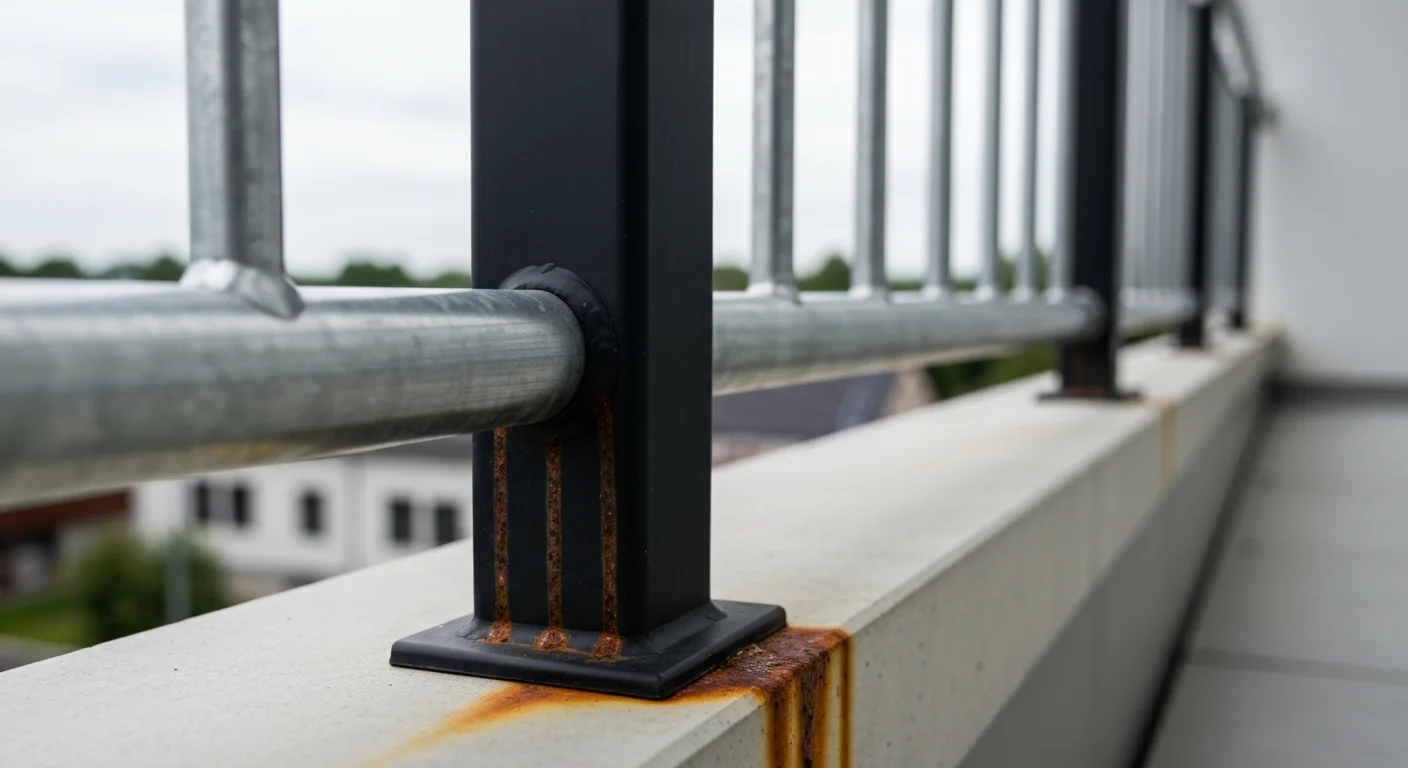
Avoiding critical installation mistakes, such as neglecting galvanic isolation or using improper anchoring fasteners, is essential to prevent premature railing failure. As professional railing contractors, we frequently see costly errors made by inexperienced installers. The most severe mistake is failing to isolate dissimilar metals. When aluminum touches steel or concrete in the presence of moisture, galvanic corrosion occurs. The aluminum acts as an anode and corrodes rapidly. To prevent this, installers must use nylon washers, neoprene gaskets, or specialized coatings to isolate the metals.
Another common error is using the wrong fasteners. Outdoor steel railings should always be secured with stainless steel fasteners. Using cheap carbon steel screws will lead to rust streaks bleeding down your clean siding or deck. For aluminum railings, stainless steel screws are also recommended, but they must be coated to prevent galvanic reactions. Using compatible fasteners ensures the long-term structural integrity of your railing system.
Finally, failing to seal anchor holes in concrete or tile is a recipe for disaster. Water can seep into the anchor holes, freeze, and expand. This cracks the concrete and loosens the railing. Installers must use high-quality epoxy or expanding cement to seal all mounting points completely. Below is the recommended sequence for a professional installation:
- Verify all local building codes and structural load requirements before purchasing materials.
- Mark and core-drill anchor holes to the specified depth in the concrete substrate.
- Insert non-conductive sleeves or isolation barriers if mounting aluminum posts to concrete or steel.
- Secure the posts using high-strength stainless steel anchors and industrial-grade epoxy.
- Attach the railing panels, ensuring all connections are tight and perfectly level.
- Apply a bead of high-grade silicone sealant around the base plates to prevent water intrusion.
FAQ
Which is more durable, steel or aluminum railing?
Steel is structurally stronger and more resistant to physical impacts, making it ideal for high-traffic commercial spaces. However, aluminum is more durable against environmental corrosion and rust, outperforming steel in humid and coastal climates without requiring constant maintenance.
Is steel railing more expensive than aluminum?
Yes, steel railings are generally more expensive due to higher raw material costs, heavier shipping weights, and labor-intensive custom welding. Aluminum railings are typically pre-engineered and modular, which reduces fabrication and installation costs significantly.
Can aluminum railings rust over time?
Aluminum does not rust because it contains no iron. However, it can undergo a process called oxidation, which creates a dull white powder on the surface if the powder-coated finish is damaged. This oxidation does not compromise the metal’s structural integrity like rust does to steel.
How do you prevent rust on steel railings?
To prevent rust, steel railings must be hot-dip galvanized or treated with a zinc-rich primer before applying a high-quality exterior powder coat. Regular cleaning with mild soap and water, along with immediate touch-ups of any chipped paint, will keep rust from forming.
What is the life expectancy of aluminum railings?
High-quality aluminum railings can easily last over thirty years with minimal maintenance. Their resistance to corrosion and UV degradation ensures they maintain their structural integrity and appearance far longer than wood, composite, or untreated steel railings.
Which railing material is better for coastal homes?
Aluminum is the superior choice for coastal homes due to its natural resistance to salt air and high humidity. If you prefer the look and weight of steel, you must use marine-grade 316 stainless steel or heavily galvanized carbon steel with a premium powder-coated finish.
