

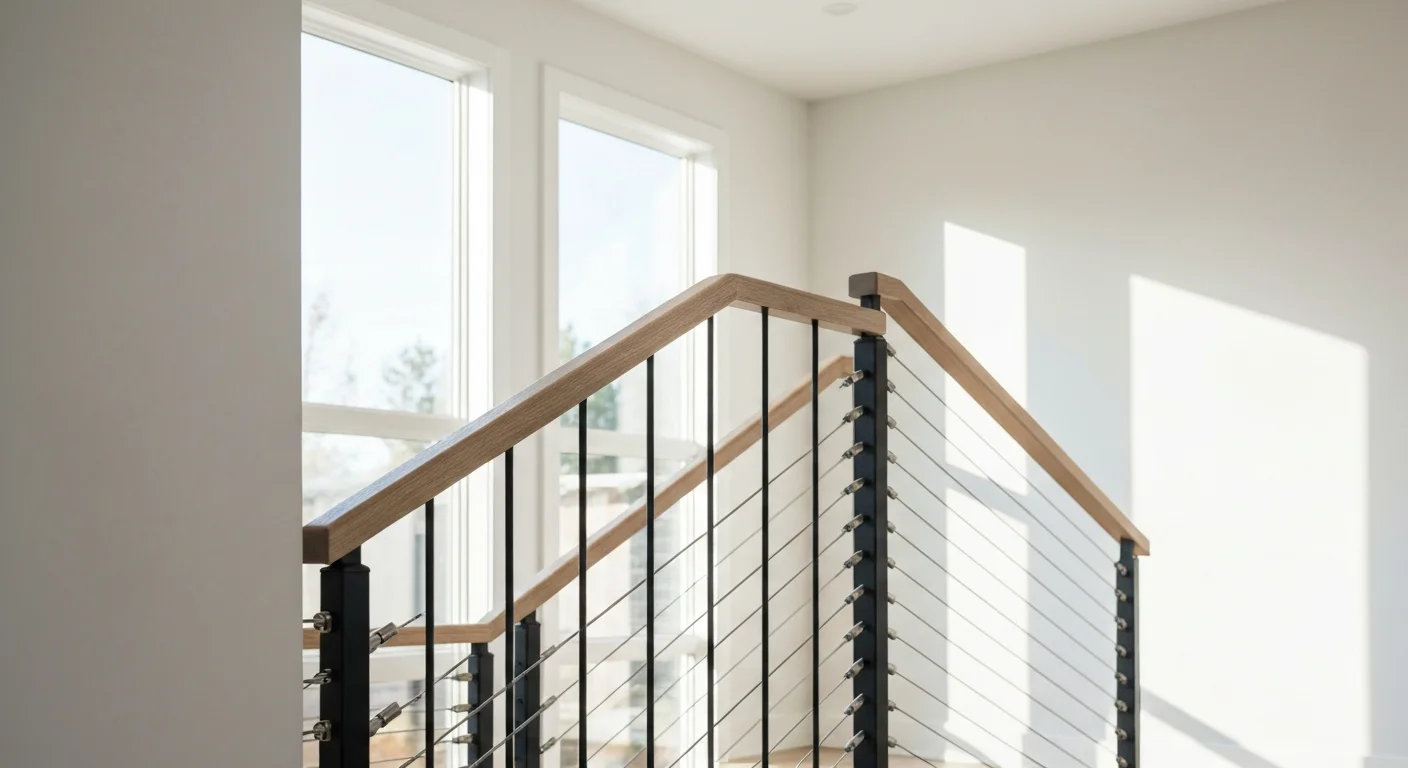
25 Modern Indoor Railing Ideas
For open-concept, modern homes requiring an airy aesthetic, specify frameless glass or stainless steel cable railings. For traditional, transitional, or high-end coastal properties, choose a combination of stained white oak with custom glass panels or intricate wrought iron. Selecting the correct indoor railing depends entirely on your home’s architectural style, your local safety codes, and your structural sub-framing capabilities. Modern homeowners prioritize clean lines that maximize natural light transmission throughout multi-level spaces. By selecting premium, structurally sound materials, you elevate your staircase from a simple utility to a striking architectural focal point. Luxury properties benefit most from custom-engineered solutions that integrate seamlessly with existing flooring and wall structures. Working with high-grade metals and hardwoods ensures your system remains rigid and beautiful for decades. Here is a comprehensive breakdown of the leading design ideas, material selections, and technical specifications for your interior stair renovation.
Key Takeaways
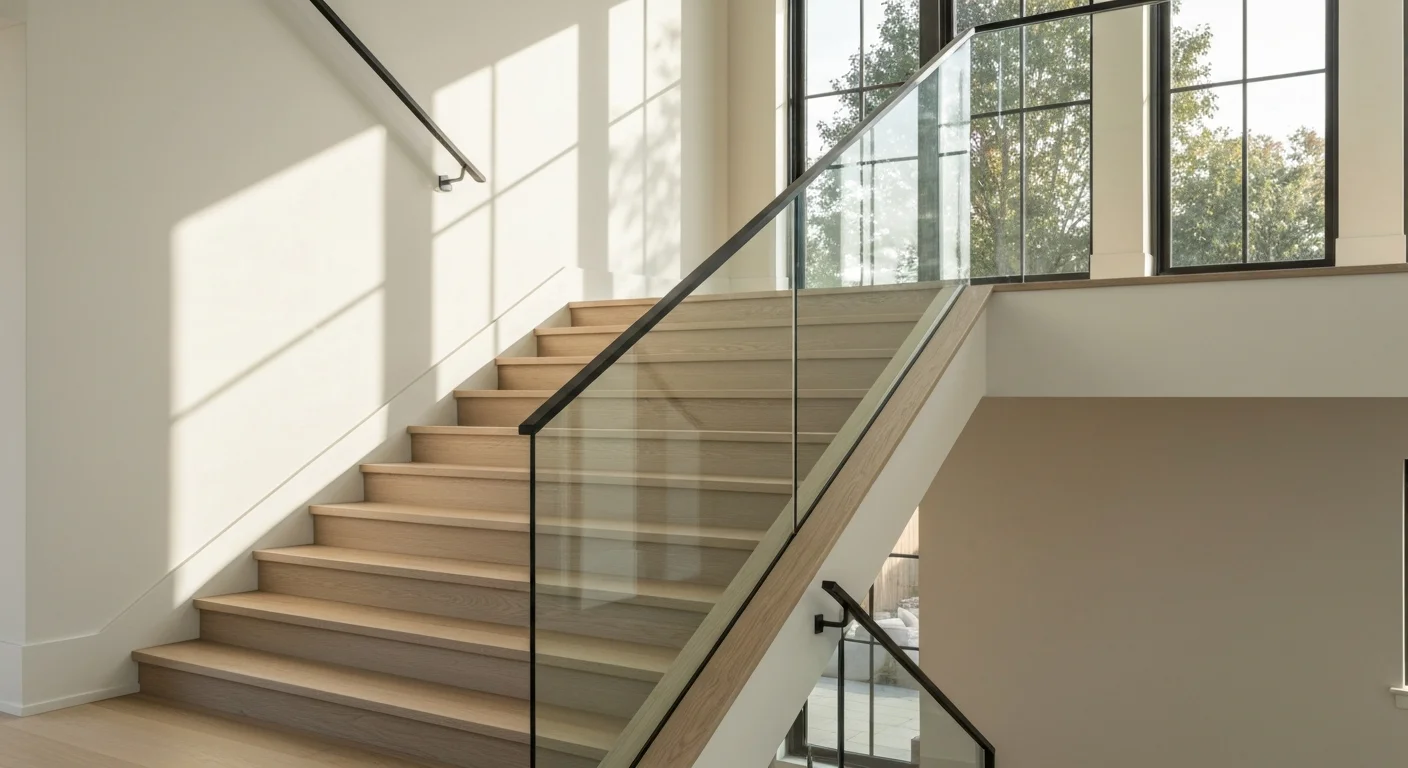
- Glass and cable systems maximize light and preserve sightlines in modern, open-concept home layouts.
- Mixed-material systems combining white oak, metal, and glass deliver the highest aesthetic versatility.
- Always verify local building code compliance, specifically the four-inch sphere rule, before finalizing your layout.
- Proper anchoring to the structural sub-floor or stringer prevents railing wobble and ensures long-term safety.
- Custom-manufactured railings offer superior durability and seamless integration compared to mass-produced, modular alternatives.
The Anatomy of Modern Stair Railing Indoor Systems
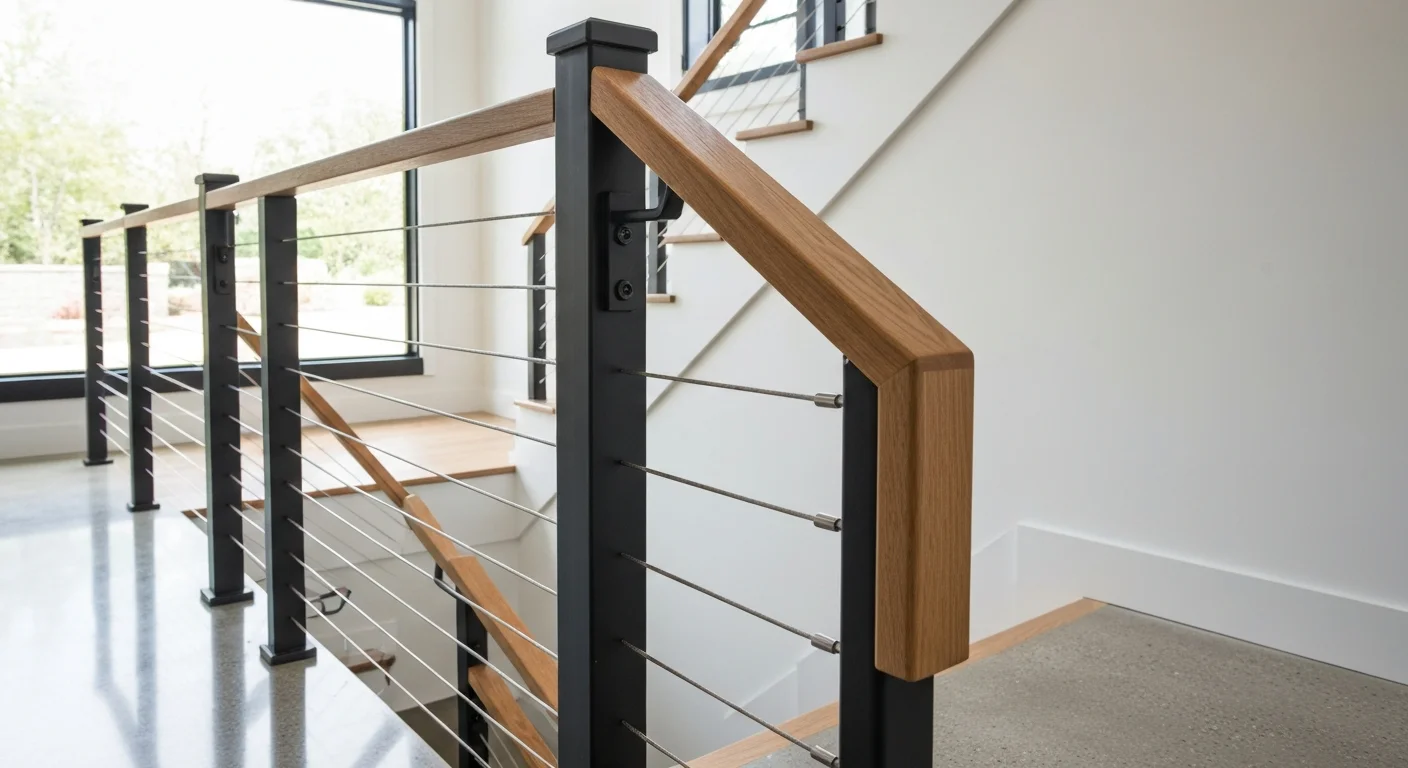
The structural integrity and visual appeal of a stair railing indoor system rely on the precise integration of handrails, posts, and infill panels. Handrails provide the primary grip surface for users, requiring both ergonomic comfort and robust structural attachment. Newel posts anchor the entire system to the floor joists, serving as the primary load-bearing columns. The infill occupies the space between the posts and treads, preventing falls while defining the overall aesthetic character of your interior. For a modern interior, choosing a sleek indoor railing system with minimal post profiles ensures unobstructed sightlines throughout your living areas. Professional installers mount these systems using top-mount, side-mount, or fascia-mount techniques.
Fascia mounting secures the posts to the outer face of the stair stringer, which preserves the maximum usable tread width. Top-mounting remains the standard for traditional timber layouts, while side-mounting is preferred for steel-framed floating stairs. Glass railings utilize specialized aluminum base shoes or heavy-duty steel standoffs to secure heavy tempered glass panels. Cable systems require robust terminal posts to withstand several hundred pounds of tension without bending. Selecting the right combination of these components allows you to design a staircase that balances structural rigidity with high-end architecture.
Material Profiles and Cost Expectations
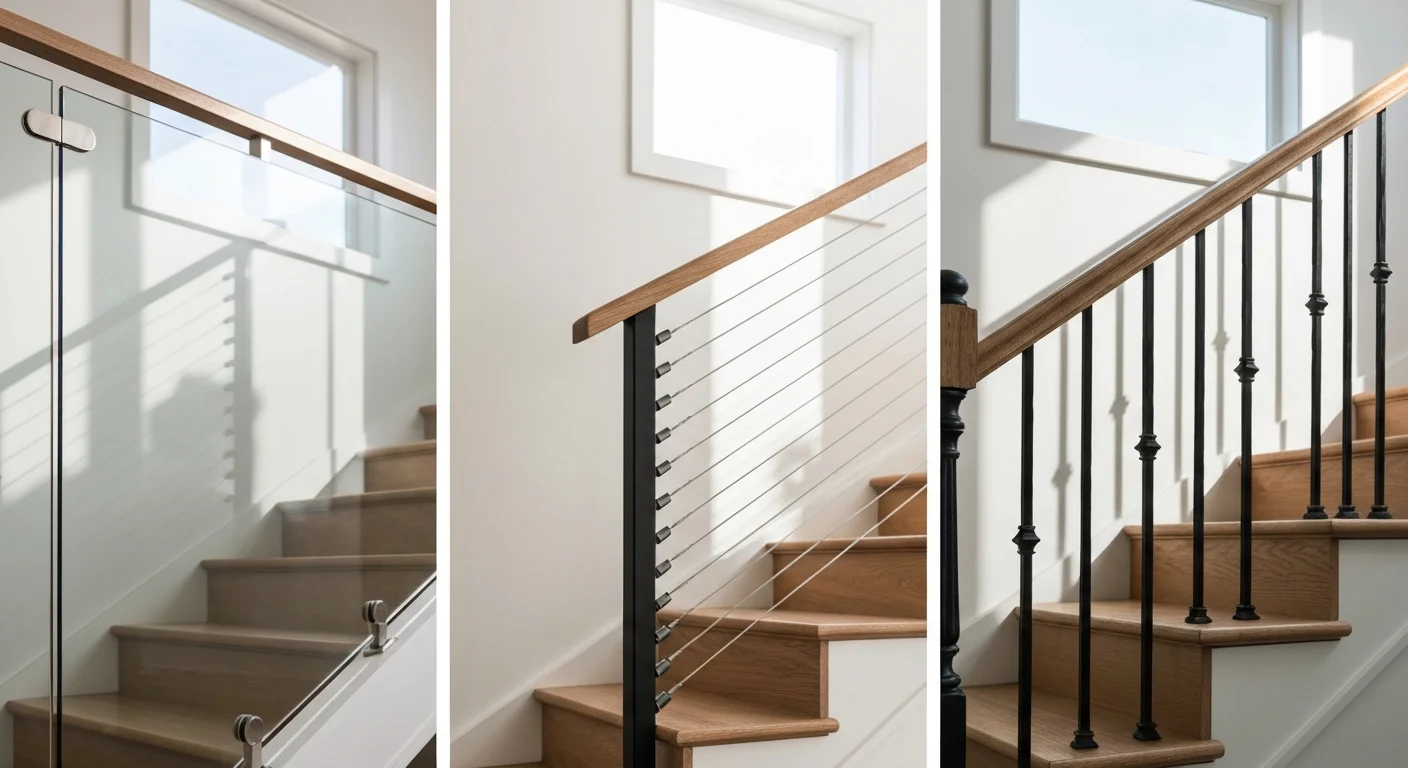
Selecting the best materials for your indoor railing involves balancing long-term durability, aesthetic preference, and structural installation costs. Premium materials like stainless steel, architectural glass, structural aluminum, and hardwoods offer varied structural benefits and visual weight. Budget-conscious homeowners can expect to pay $50 to $120 per linear foot for standard, prefabricated metal or timber components. In contrast, custom architectural railings range from $150 to $650 per linear foot, depending on complexity and installation labor. According to a study by the National Association of Home Builders, high-quality architectural upgrades can raise a luxury property’s overall market value by 3% to 5%.
Tempered or laminated glass panels provide unparalleled transparency but require precision engineering and specialized hardware. Stainless steel offers incredible tensile strength, making it ideal for thin-profile cable systems that do not block natural light. Hardwoods like white oak, walnut, and maple introduce organic warmth, balancing the coldness of metal and glass. Powder-coated aluminum provides a highly durable, low-maintenance alternative to traditional wrought iron, resisting scratches and fingerprints. Investing in professional custom fabrication ensures that the joints, welds, and finishes of these premium materials remain flawless and structurally sound.
Comparing Popular Indoor Railing Styles
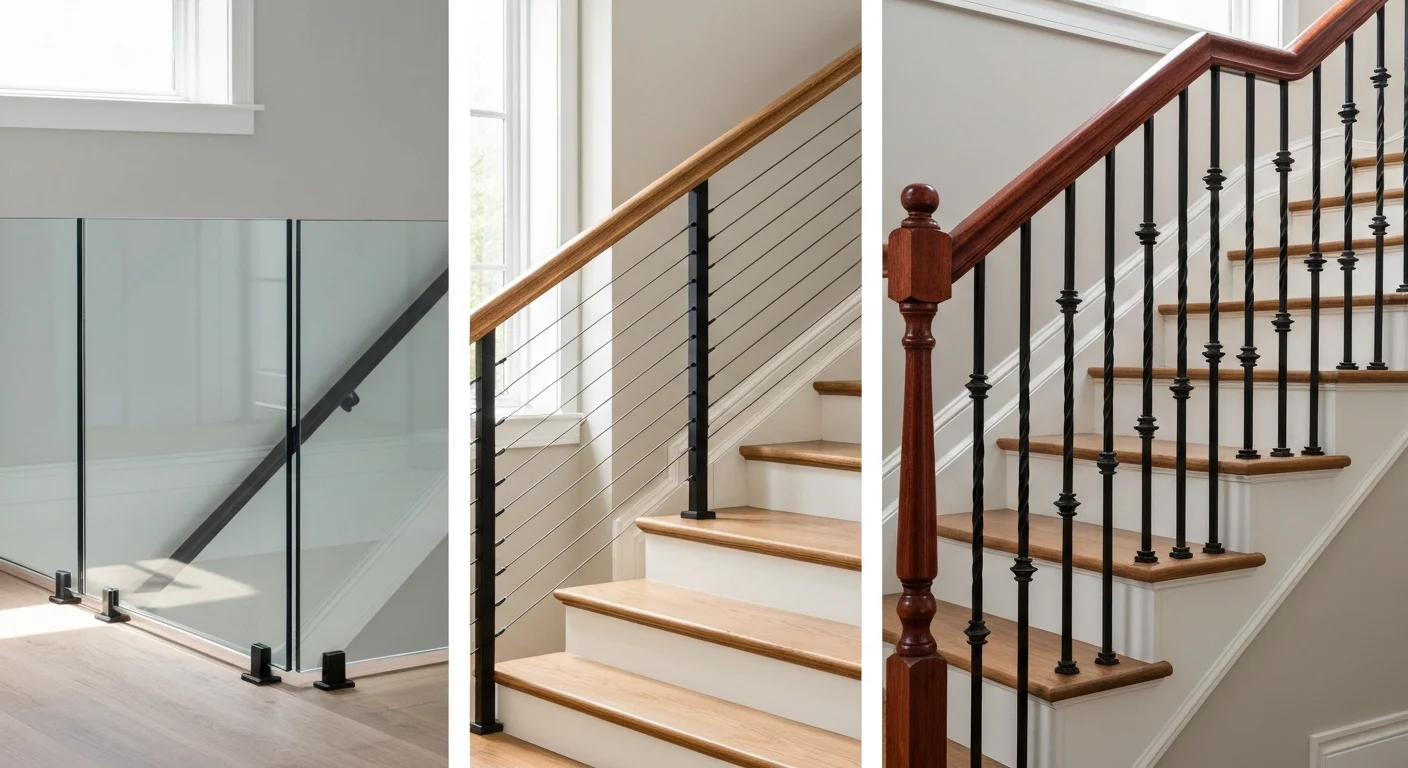
Each indoor railing style possesses distinct physical attributes, maintenance requirements, and structural characteristics. To help you select the ideal system, the following comparative matrix details the primary options available for modern homes.
| Material Style | Average Cost per Foot | Structural Pros | Best Architectural Match |
|---|---|---|---|
| Frameless Glass | $300 – $600 | Maximizes natural light; robust structural barrier; incredibly easy to clean. | Modern Minimalist, Ultra-Luxury, Coastal Modern |
| Stainless Steel Cable | $150 – $350 | Industrial strength; minimal visual obstruction; lightweight structure. | Loft Industrial, Modern Farmhouse, Contemporary |
| Wrought Iron | $120 – $400 | Extremely customizable; classical durability; timeless handcrafted details. | Mediterranean, Traditional Luxury, Gothic |
| Hardwood with Glass | $250 – $500 | Combines organic warmth with modern transparency; highly rigid assembly. | Transitional, Craftsman, Scandinavian Modern |
Custom Indoor Railing Design Trends
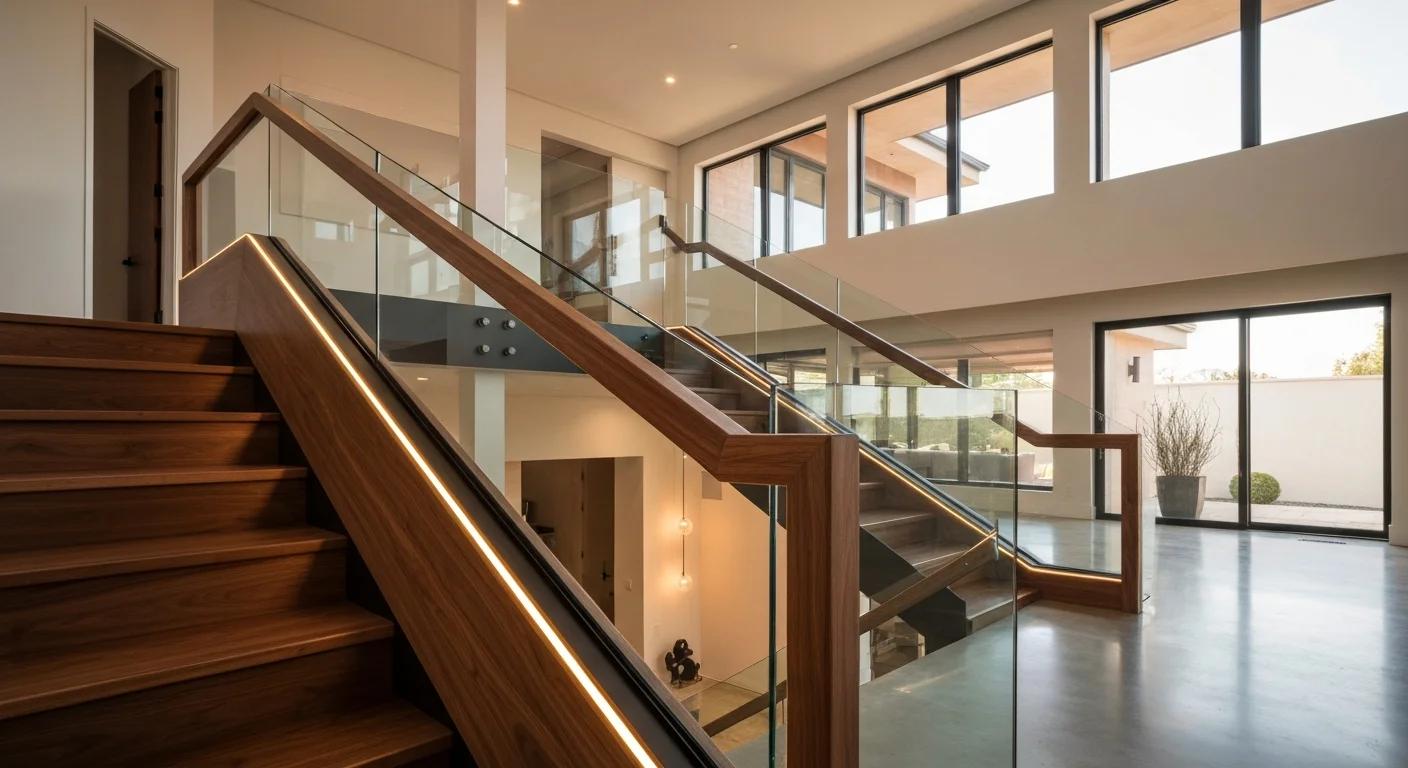
Modern custom indoor railing designs emphasize clean geometry, mixed-material assemblies, and integrated technology. Curved glass and minimalist black metal systems lead the market, creating highly sculptural focal points in luxury foyers. Designers often pair dark, textured metal posts with warm wood handrails to establish a balanced sensory experience. A recent design trends report by the American Society of Interior Designers shows that 64% of luxury home renovations utilize mixed-material systems to blur the line between industrial and organic architecture.
Low-voltage LED strip lighting embedded within the underside of wood handrails provides safe illumination while highlighting the staircase’s geometry. Homeowners seeking a dramatic, light-filled environment frequently opt for frameless glass panels secured by low-profile base shoes. For additional inspiration on selecting the right layout for your property, read our guide on modern stair railing types. These trends focus on creating cohesive visual transitions between different levels of the home. Custom fabricators now use precise digital modeling to ensure railings match the unique curves of modern architectural layouts.
Crucial Architectural Mistakes to Avoid in Railing Selection
Avoiding structural failures and safety violations requires strict adherence to local building codes and rigorous engineering standards. A common professional mistake is installing thin glass panels that do not meet local high-impact or safety regulations. Data from the International Code Council indicates that over 70% of residential railing failures result from improper anchoring to weak sub-flooring. Builders must ensure that the stair stringer or floor joists can handle the rotational torque exerted by the railing posts.
Never mount heavy glass base shoes directly to thin drywall or unreinforced subfloors. Another critical mistake is ignoring the four-inch sphere rule, which dictates that no opening in the railing can allow a four-inch ball to pass through. For cable systems, maintaining high tension is vital to prevent the cables from deflecting under load and creating safety hazards. Using sub-standard materials, like non-marine grade steel in high-humidity areas, will result in premature corrosion and staining. Partnering with a licensed contractor ensures that every weld, anchor, and panel complies with strict local safety regulations.
Step-by-Step Selection Guide for Homeowners
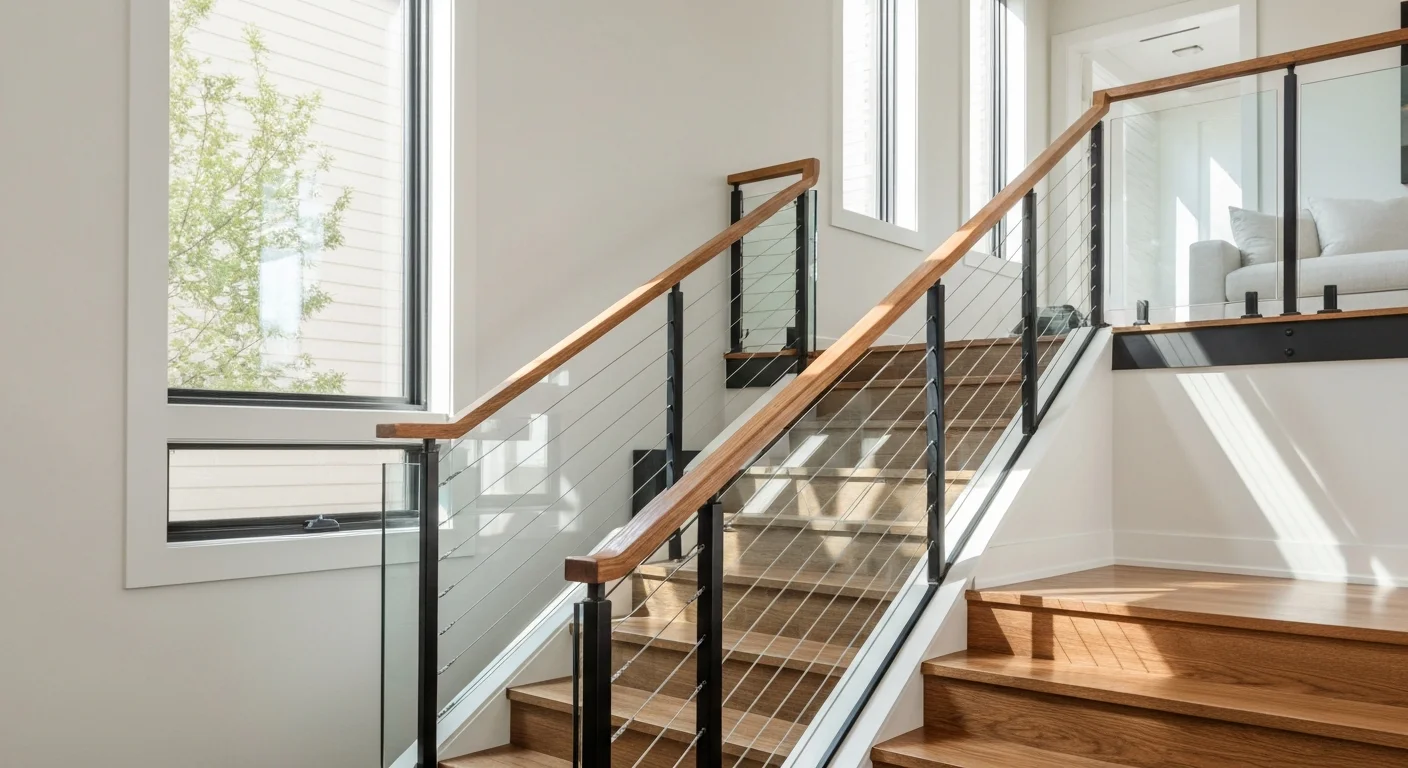
Selecting and installing the perfect indoor railing requires a systematic approach to design, engineering, and manufacturing. Follow these strategic steps to ensure a flawless execution of your staircase remodeling project:
- Assess Architectural Style: Identify the dominant architectural theme of your home, such as minimalist modern, classic traditional, or rustic industrial.
- Analyze Structural Framing: Consult with a professional to verify if your existing floor joists and stair stringers can support your chosen railing style.
- Select Materials: Choose a combination of high-grade metals, structural glass, or premium hardwoods that match your durability and aesthetic goals.
- Review Building Codes: Ensure the design complies with local height requirements, guardrail specifications, and the four-inch sphere spacing rule.
- Choose Mounting Options: Decide between top-mounting on the treads or fascia-mounting to the outer stringer to optimize stair width.
- Develop CAD Drawings: Request detailed 3D renderings or digital CAD drawings from your contractor to visualize the final product.
- Execute Professional Installation: Hire a licensed, experienced railing specialist to secure the system to the structural frame of your home.
