

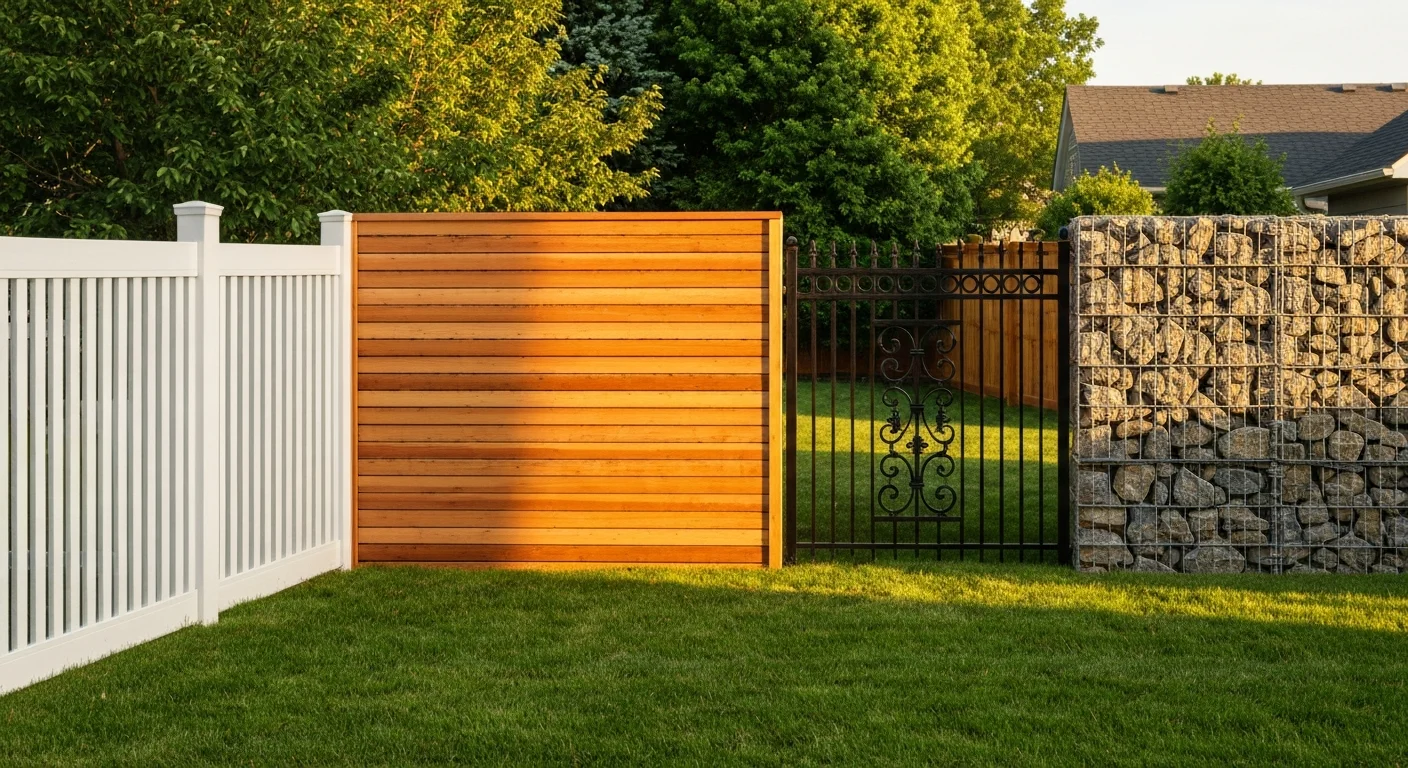
7 Best Types of Fences for Privacy and Security
Selecting the ideal perimeter barrier requires balancing security, privacy, budget, and your property’s specific architectural style. For maximum security and maintenance-free longevity in 2026, choose powder-coated aluminum or classic wrought iron. For complete privacy and a natural, warmth-driven aesthetic, opt for high-grade vinyl or premium wood species like Western Red Cedar. Property owners seeking a cost-effective, basic utility barrier should select modern vinyl-coated chain-link systems. Coastal environments with high humidity demand corrosion-resistant materials like structural aluminum or marine-grade stainless steel to withstand salt-heavy air, while inland properties can leverage the traditional beauty of treated lumber. Choosing the wrong system often leads to premature failures, structural sagging, and costly replacements within five years. By contrast, matching the correct material to your climate and local municipal codes ensures your boundary remains secure and visually stunning for decades. Read on to discover the specific engineering differences, pricing, and functional profiles of today’s premier fencing solutions.
Key Takeaways for Selecting a Fence
- Material Longevity: Aluminum and vinyl offer the lowest maintenance profiles, easily lasting over 30 years without rotting or requiring paint.
- Local Code Compliance: Always verify local homeowner association rules and municipal setback requirements before finalizing your design.
- Environmental Fit: Coastal areas require non-corrosive metals or synthetic materials to prevent rapid oxidation and rust damage.
- Budget Realities: Upfront material costs range from $12 per linear foot for chain-link to over $120 per linear foot for custom wrought iron.
- Wind Resistance: High-wind zones demand specific structural reinforcements, deeper concrete footings, and wind-permeable panel designs.
Evaluating the Best Residential Fencing Options by Material
Determining the best material for your residential boundary depends on your local climate, maintenance willingness, and security needs. The global fencing industry continues to evolve, introducing more durable polymers and advanced metal coatings. According to a market analysis by Grand View Research, the demand for vinyl and composite fencing materials is growing at an annual rate of over 5% due to their low maintenance requirements. Property owners no longer want to spend their weekends scraping, sanding, and painting older wood structures.
If you are planning an upgrade in South Florida, hiring a specialized contractor for fences in Boca Raton, FL ensures your installation complies with strict local wind-load regulations. Different materials react uniquely to environmental stressors. Wood remains a highly popular choice for its classic look and organic feel. Western Red Cedar and Redwood naturally resist insect damage and decay, though they require staining every two to three years. Pressure-treated pine is a more affordable wood option, but it is highly prone to warping and twisting in hot climates.
Vinyl fencing has become a dominant force in suburban neighborhoods. Manufacturers now use high-grade polyvinyl chloride (PVC) infused with titanium dioxide to prevent yellowing from ultraviolet radiation. Vinyl does not rot, peel, or splinter, making it exceptionally safe for households with young children and pets. Aluminum has also surged in popularity because it mimics the upscale aesthetic of wrought iron at a fraction of the cost. Aluminum does not rust, making it the premier choice for pool enclosures and waterfront estates.
Wrought iron represents the pinnacle of security and architectural elegance. Skilled blacksmiths can forge intricate, custom designs that elevate the curb appeal of historic or luxury homes. Wrought iron is incredibly heavy and strong, providing a formidable barrier against intruders. However, it requires periodic sanding and painting to keep rust at bay. Chain-link remains the ultimate utility option, ideal for large acreage, dog runs, and commercial perimeters where cost efficiency is the driving factor.
Different Fence Styles and Their Primary Functions
Modern property boundaries serve diverse functional purposes, ranging from creating absolute seclusion to safeguarding swimming pools and defining property edges. Selecting the wrong style can compromise your goal, whether that is blocking a noisy street or showcasing a manicured garden. For premium outdoor installations, selecting a dedicated custom fencing and railing solution provides both safety and aesthetic value without blocking beautiful landscape views.
Privacy fences typically stand six to eight feet tall and feature solid, tightly spaced pickets. This design blocks lines of sight completely, creating a private outdoor living room. The shadowbox style, also known as a board-on-board fence, uses alternating pickets on either side of the horizontal rails. This configuration looks identical from both sides and allows wind to pass through easily, reducing the structural load during severe storms.
Decorative styles like the classic picket fence evoke traditional Americana. These barriers usually stand three to four feet tall and feature spaced pickets with decorative tops. They establish a clear boundary for pets and children without blocking views or sunlight. Post-and-rail designs are perfect for rural acreage and equestrian properties. They use minimal materials to enclose vast spaces, keeping livestock secure while maintaining an open, rustic feel.
Pool safety barriers require strict adherence to local building safety codes to prevent accidental drowning. Most jurisdictions mandate that pool fences must be at least 48 inches high with self-closing, self-latching gates. The vertical pickets must not have gaps wider than four inches to prevent small children from slipping through. A professional installer understands these nuances and prevents costly code violations during final inspections.
Comparing the Most Popular Types of Fences for Yards
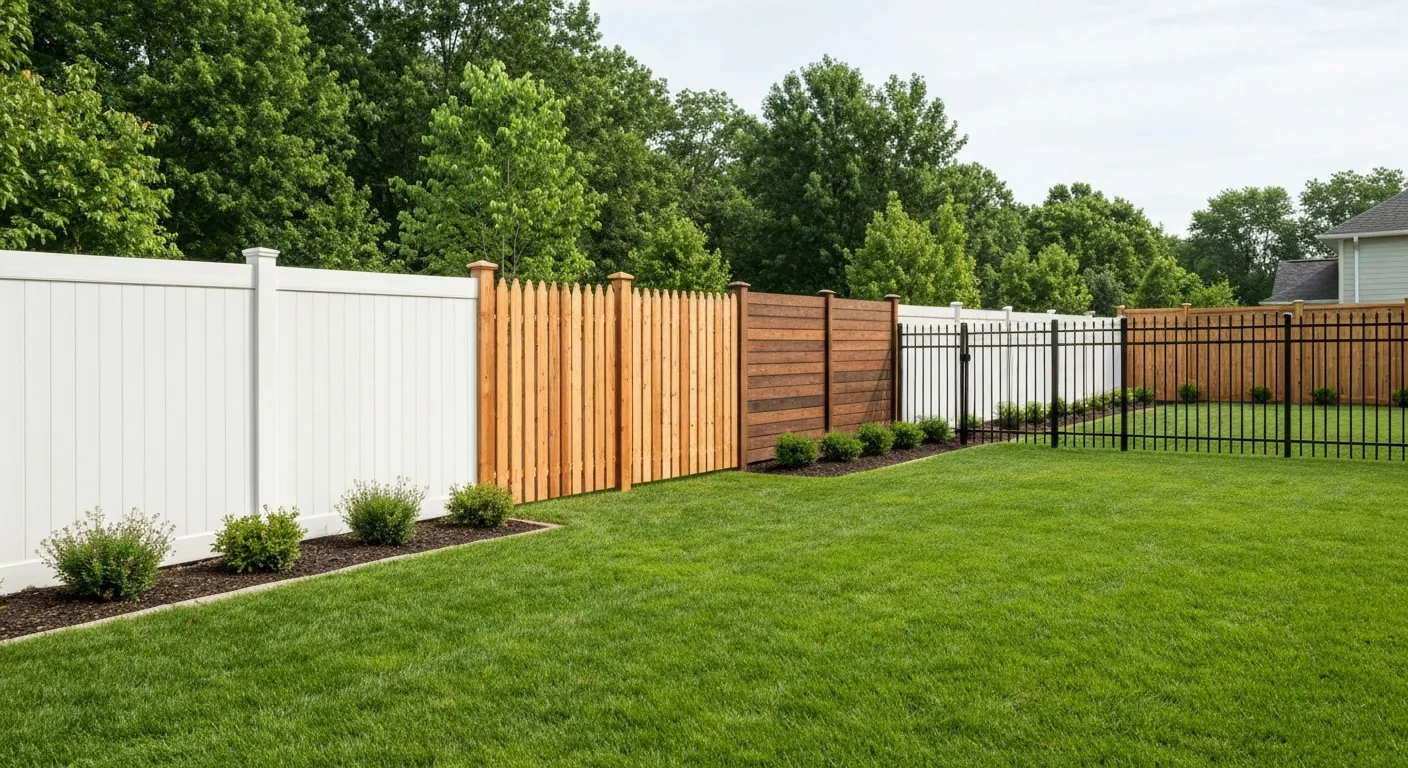
Comparing fencing options side-by-side reveals significant differences in upfront installation costs, expected lifespans, and ongoing maintenance demands. Investing in a higher-quality material often saves money over a fifteen-year period by eliminating maintenance costs. Industry data published by Angi indicates that homeowners spend an average of $3,000 to $7,000 on new installations, with premium materials pushing costs higher.
| Fencing Material | Average Cost per Linear Foot | Expected Lifespan | Maintenance Level Required | Best Structural Use Case |
|---|---|---|---|---|
| Pressure-Treated Wood | $15 – $35 | 10 – 15 Years | High (Sealing, Staining) | Traditional Privacy & Budget Yards |
| Premium Western Red Cedar | $25 – $55 | 15 – 25 Years | Medium (Periodic Sealing) | High-End Residential Privacy |
| Polyvinyl Chloride (PVC) | $30 – $75 | 20 – 40 Years | Very Low (Occasional Washing) | Zero-Maintenance Neighborhood Privacy |
| Powder-Coated Aluminum | $35 – $85 | 30 – 50+ Years | Low (Hose Down) | Pool Enclosures & Sloped Terrains |
| Custom Wrought Iron | $60 – $130+ | 50 – 100 Years | Medium (Rust Treatment) | Estate Security & Luxury Framing |
| Galvanized Chain-Link | $12 – $28 | 15 – 25 Years | Low (Occasional Inspection) | Acreage Containment & Pet Runs |
If you live in a coastal area, choosing a durable perimeter solution is critical to protecting your investment. Homeowners looking to secure their properties can find tailored solutions by exploring professional installations for fences in Palm Beach Gardens, FL, where high wind loads and salt spray dictate specific material selections. Aluminum and vinyl consistently outperform natural wood in these harsh coastal environments.
The Professional Guide to Types of Fences for Backyard Security
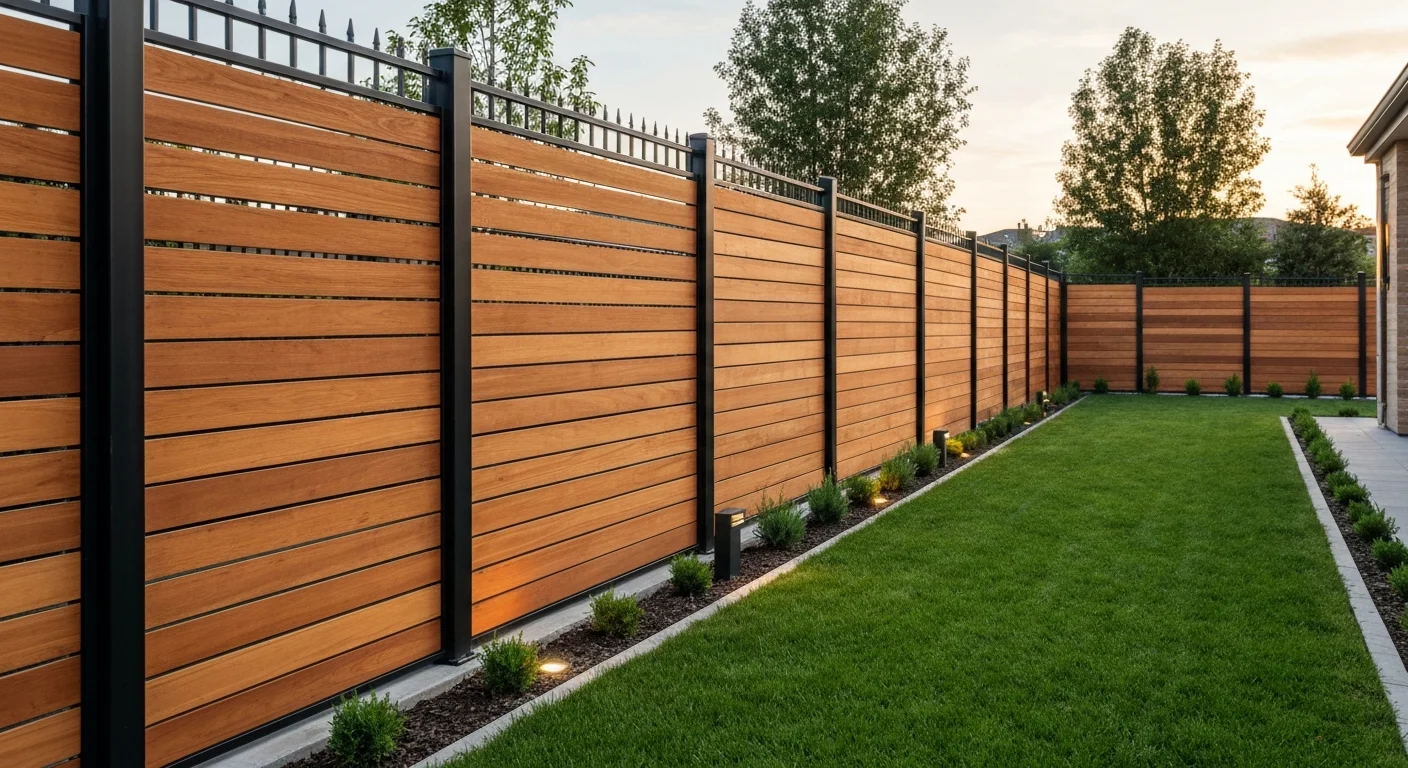
Securing your backyard requires a structural barrier that resists forced entry, withstands high environmental winds, and prevents unauthorized access. Security fences must prioritize structural rigidity, height, and climb-resistant designs to be truly effective. A standard four-foot picket fence will not deter a determined intruder; you need specialized materials and smart engineering.
The Florida Building Commission enforces strict regulations requiring outdoor structures to withstand wind loads of up to 150 miles per hour in high-velocity hurricane zones. This means your posts must be anchored deeply in high-strength concrete. For maximum security, we recommend a fence height of at least six to eight feet. The pickets should run vertically with minimal horizontal rails on the exterior side, preventing intruders from using the rails as footholds to climb over.
Avoid cheap, thin-gauge vinyl or lightweight wood panels that can be easily kicked open or broken. Heavy-duty aluminum or ornamental steel fences are exceptionally difficult to cut, climb, or breach. Pair these security barriers with high-quality, lockable latching mechanisms and heavy-duty hinges. Incorporating automated security gates with keypad entry or smartphone integration adds an extra layer of protection to your perimeter.
Step-by-Step Installation Planning for Outdoor Fences
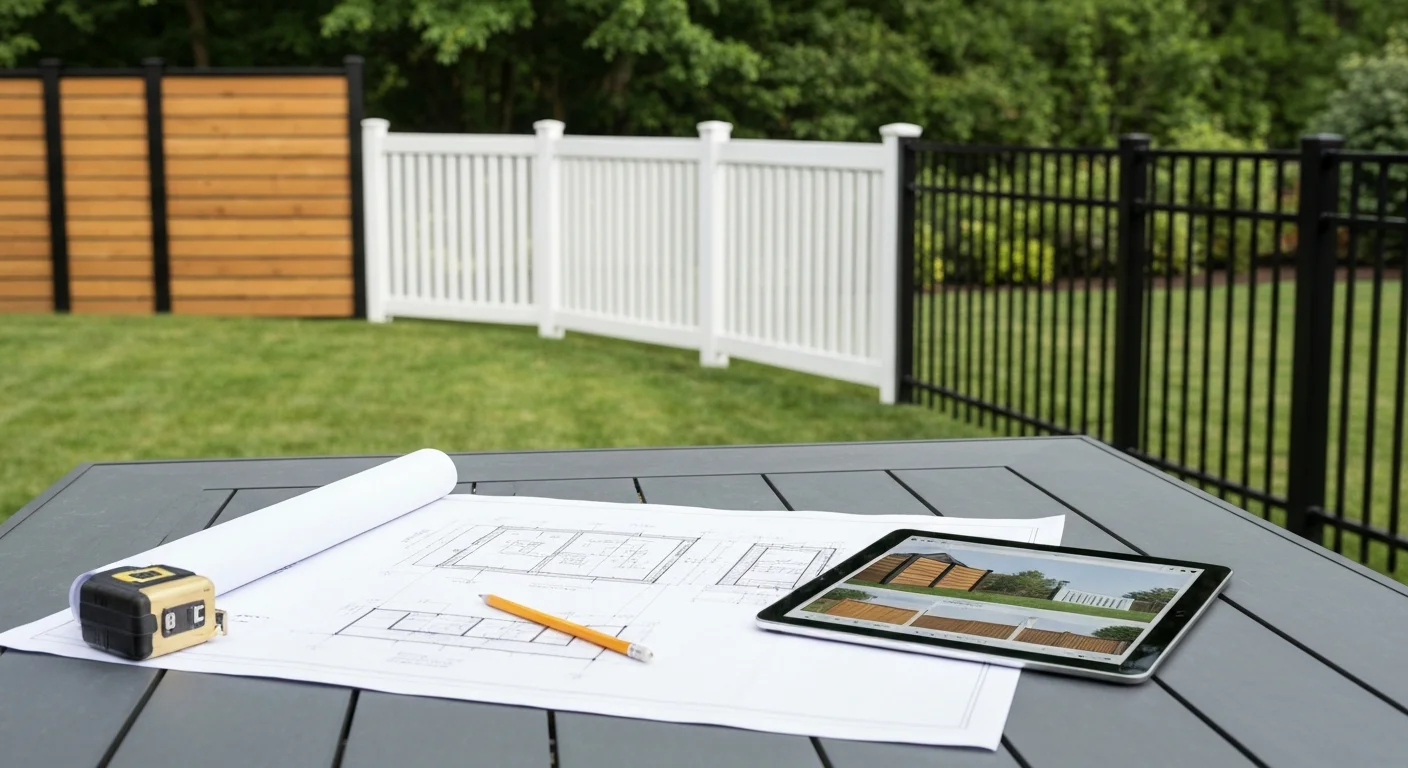
Successfully executing a fence installation project requires meticulous preparation, accurate boundary measurement, and adherence to municipal zoning laws. Cutting corners during the planning phase often results in neighbor disputes, code enforcement fines, or structural failures. Follow this proven professional methodology to ensure your installation proceeds smoothly:
- Locate and Verify Property Lines: Hire a licensed surveyor to locate your exact property boundaries. Do not rely on old maps, neighbor claims, or existing landscaping features to guess where your property ends.
- Check Local Codes and HOA Rules: Review your municipality’s zoning laws regarding maximum allowable heights, setback limits, and approved materials. Many homeowners associations ban chain-link or mandate specific colors for vinyl and wood.
- Identify Underground Utilities: Always contact your local utility location service (such as 811) before digging any post holes. This service marks buried gas, water, electric, and fiber optic lines, preventing dangerous and costly disruptions.
- Select High-Quality Materials and Hardware: Choose materials suited to your regional climate. Select heavy-duty, stainless steel or hot-dipped galvanized fasteners to prevent ugly rust streaks from ruining your new structure.
- Set Posts Deeply in Solid Concrete: Dig post holes below your local frost line, or to a depth equal to one-third of the post’s total height. Pour high-strength concrete into the holes, sloping the top surface away from the post to shed water.
- Install Panels and Adjust Gates: Attach the panels, ensuring they remain level even if your yard slopes. Hang gates using adjustable, heavy-duty hinges to account for future settling, and install self-latching security hardware.
FAQ
What type of fence lasts the longest?
Powder-coated aluminum and high-grade vinyl fences are the longest-lasting options, often remaining structurally sound for over 30 to 50 years. These materials naturally resist moisture, rot, insect damage, and rust, requiring only occasional cleaning to maintain their original appearance. Wrought iron can last over a century but requires regular painting and rust-prevention treatments to avoid corrosion.
What is the cheapest type of fence to install?
Galvanized chain-link is the most affordable fencing material to install, typically costing between $12 and $28 per linear foot. Pressure-treated pine is the most economical privacy option, though it requires frequent maintenance and has a shorter lifespan. Investing in a cheap material often leads to higher long-term costs due to repairs and premature replacement.
How high can a residential fence legally be?
Most residential zoning laws restrict backyard fence heights to six feet, while front yard fences are usually limited to three or four feet. However, these regulations vary significantly by city, county, and individual homeowner associations. Always check your local zoning office and obtain the necessary building permits before starting construction.
Can I install a fence directly on my property line?
Fences can theoretically be built directly on the property line if you share the cost and obtain written consent from your neighbor. However, to avoid future legal disputes and ease maintenance access, most professionals recommend setting the fence two to twelve inches inside your property boundary. Check your local setback requirements, as some municipalities mandate specific distances from public sidewalks and property lines.
Is vinyl fencing better than wood fencing?
Vinyl fencing is superior to wood in terms of durability, maintenance requirements, and long-term value, as it will never rot, warp, or require painting. Wood remains superior if you prefer a lower upfront cost, natural organic aesthetics, and the ability to change the fence color with paint or stain over time. For busy homeowners, vinyl’s hassle-free nature makes it the highly preferred choice.
How do I maintain a metal fence in coastal areas?
Maintaining a metal fence in coastal zones requires selecting a naturally corrosion-resistant material like powder-coated aluminum rather than standard steel. Wash the metal surfaces with fresh water and mild soap every three to six months to remove accumulated salt crust and ocean spray. Address any deep scratches or chips in the powder coating immediately with matching touch-up paint to prevent underlying oxidation.
