

Complete Guide to the Best Types of Deck Railing
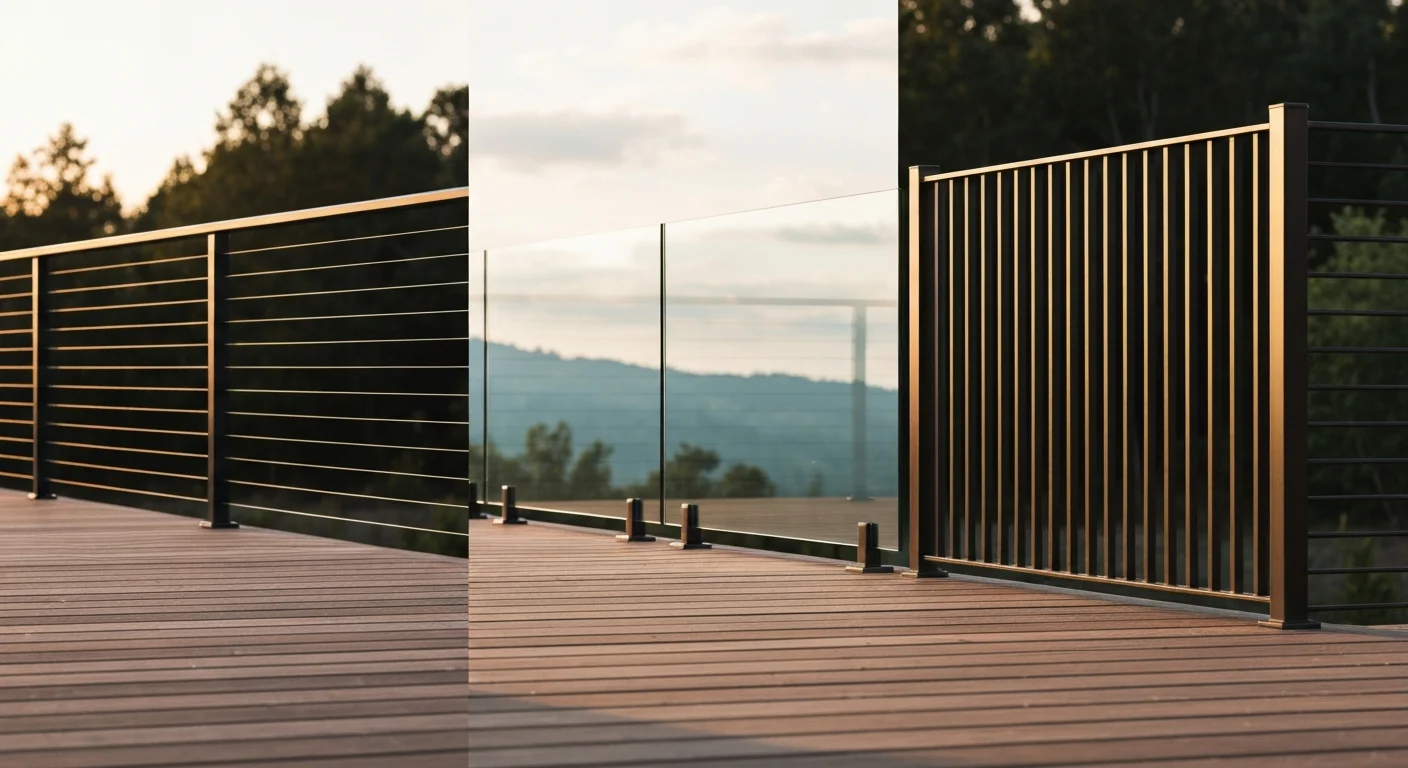
For homeowners seeking maximum durability and low maintenance in 2026, powder-coated aluminum or marine-grade stainless steel cable railing represents the absolute best choice. If preserving panoramic coastal or backyard views is your primary objective, frameless glass panel systems offer an unrivaled, ultra-modern solution. For property owners working within strict budget constraints, pressure-treated wood or basic PVC vinyl railings remain highly functional, though they demand far more long-term maintenance. Selecting the ideal system requires a careful balance of local building codes, environmental exposure, and your property’s existing architectural style. Luxury residential properties and high-exposure coastal homes benefit most from premium, engineered materials that resist intense salt spray, high winds, and heavy UV exposure without compromising on aesthetic appeal. Our specialized team recommends investing in a structural aluminum frame paired with horizontal stainless steel cables or tempered glass infills for the ultimate blend of longevity, minimal upkeep, and modern elegance. Here is how the leading choices stack up against one another.
Key Takeaways
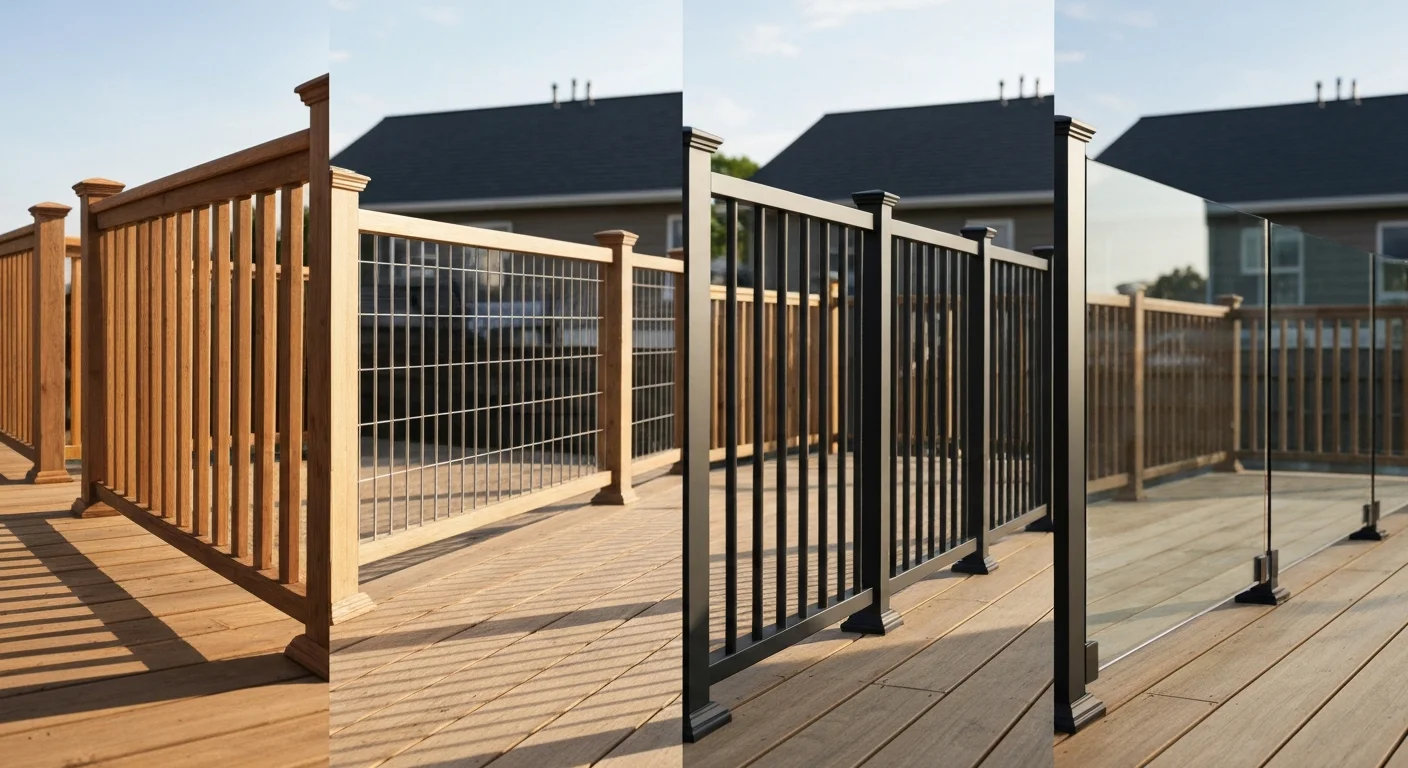
- Powder-coated aluminum and 316-grade stainless steel offer the best resistance to coastal corrosion and weathering.
- Glass panels maximize view preservation but require regular cleaning to remove saltwater residue and fingerprints.
- Cable railing provides a highly durable, minimalist aesthetic but requires proper structural tensioning to meet code.
- While wood has the lowest upfront cost, its lifetime maintenance costs make composite and metal more economical over time.
- Local building codes strictly enforce height (typically 36 to 42 inches) and maximum gap spacing (under 4 inches) for safety.
Structural Materials: Evaluating Deck Railing Material Options
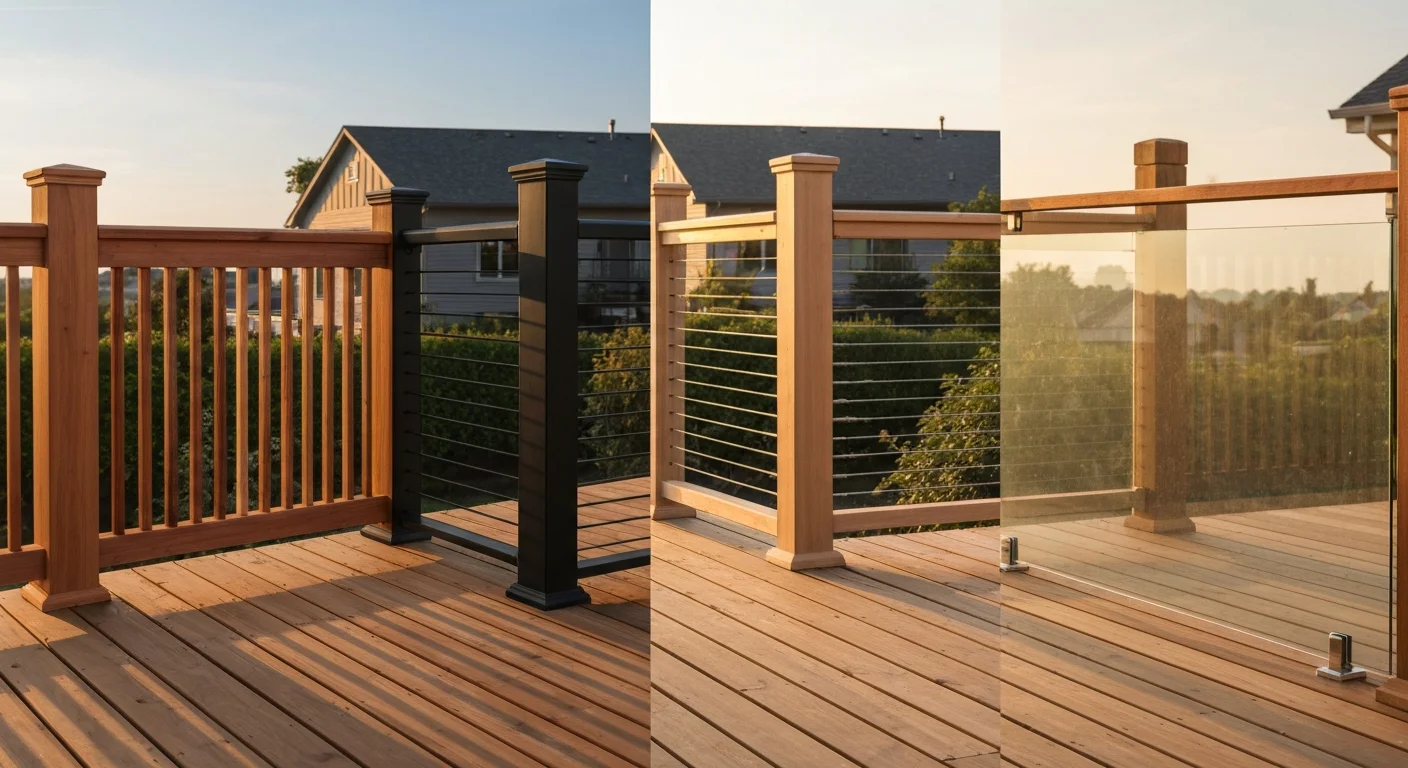
When planning an outdoor living space, selecting the proper structural foundation is critical for safety and longevity. Your choice of deck railing material options directly affects how well the barrier resists rot, rust, and structural degradation. Modern technology has expanded the market beyond standard pressure-treated lumber, introducing high-performance alternatives designed to withstand the harshest environments. Our team at Luxury Staircase Railings specializes in designing and installing custom deck railing systems that elevate your home’s exterior while ensuring structural compliance.
Powder-coated aluminum dominates the premium market because it is lightweight, exceptionally strong, and naturally resistant to corrosion. Unlike steel, it does not rust when exposed to moisture, making it ideal for humid environments. The powder coating is baked on, which prevents peeling, cracking, or blistering. According to market research compiled by Grand View Research, the global outdoor decking and railing market is expanding rapidly due to a growing consumer preference for low-maintenance, weather-resistant materials like aluminum and high-grade composites.
For the ultimate modern look, 316 marine-grade stainless steel provides unmatched tensile strength. It works beautifully for posts and handrails, especially when paired with cable infills. Traditional lumber remains popular for rustic homes, but it requires annual staining, sealing, and sanding to prevent rot. Composite materials offer the look of wood with a fraction of the maintenance, while advanced PVC options feature aluminum cores for added structural rigidity.
According to a study by the Forest Products Laboratory, untreated wood railings in high-humidity zones can begin showing signs of decay in as little as five years, compared to metal systems which easily last over twenty-five years.
Aesthetic Infill Designs: Different Styles of Deck Railing
The infill is the safety barrier between your posts, and it dictates the visual style of your outdoor living space. Exploring different styles of deck railing allows you to customize your view, privacy level, and safety features. Your selection should match your home’s interior styling to create a seamless transition from indoor to outdoor living. Modern architects frequently debate the merits of horizontal lines versus vertical configurations to achieve specific spatial illusions.
For example, horizontal cable systems expand the perceived width of your deck, making smaller outdoor spaces feel much larger. To understand how these configurations impact your overall design, you can review your best railing anatomy choices for a deeper comparison of horizontal and vertical layouts. Conversely, vertical pickets offer a highly traditional look that aligns with classic colonial or craftsman architecture.
Tempered or laminated glass panels provide a completely wind-blocked, crystal-clear view of your surroundings. This option is ideal for properties overlooking oceans, lakes, or manicured gardens. While glass offers a high-end luxury feel, it does require periodic cleaning to maintain its clarity. To weigh the pros and cons of glass against other metal alloys, you can read our guide on glass railing vs steel to find the perfect fit for your home.
Incorporating a drink rail—a flat top cap made of wood or composite material—adds incredible functionality to your deck. It creates a convenient ledge for guests to place beverages, small plates, or decorative planters during outdoor gatherings. This design is highly popular for entertainment-focused homes.
Comparing the Performance of Different Types of Deck Railing
Analyzing the performance metrics of different types of deck railings helps homeowners make informed long-term investments. Upfront material costs do not tell the entire story; you must also factor in maintenance hours, refinishing supplies, and eventual replacement intervals. High-quality metals and glass options carry a higher initial price tag but save thousands of dollars in maintenance over their lifespans.
The National Association of Home Builders reports that high-quality deck additions yield a significant return on investment, often recovering over 65% of construction costs upon home resale. To help you evaluate these options, we have compiled a direct comparison of the most common outdoor railing systems below.
| Railing Type | Est. Cost per Linear Foot | Expected Lifespan | Maintenance Required | Primary Benefit |
|---|---|---|---|---|
| Powder-Coated Aluminum | $75 – $150 | 30+ Years | Low (Occasional wash) | Rust resistance, durability |
| 316 Stainless Steel Cable | $125 – $250 | 25+ Years | Low (Tension checks) | Unobstructed views, modern look |
| Tempered Glass Panels | $200 – $400+ | 20+ Years | Medium (Regular cleaning) | Wind barrier, ultimate clarity |
| Composite / Advanced PVC | $65 – $120 | 15 – 25 Years | Low (Soap and water) | Wood look without rot |
| Pressure-Treated Wood | $25 – $60 | 10 – 15 Years | High (Annual seal/paint) | Lowest upfront cost, rustic charm |
Choosing the Best Deck Railing Options for Coastal Climates
Properties situated along coastal regions face extreme environmental conditions that accelerate material wear. High humidity, intense UV rays, and corrosive salt air quickly destroy inferior materials. Therefore, understanding which deck railing options can survive these harsh marine environments is vital for coastal property owners.
In high-salt environments, standard steel and iron railings will corrode, bubble, and fail within a few years. We strongly advise clients in Florida, California, and coastal Texas to avoid raw iron and standard carbon steel. Instead, prioritize marine-grade 316 stainless steel or thick-walled, powder-coated aluminum. The Corrosionpedia database confirms that marine-grade stainless steel contains molybdenum, an alloy element that specifically prevents pitting and crevice corrosion caused by chloride exposure.
Additionally, tempered glass systems work exceptionally well in coastal areas. They act as windbreaks against strong sea breezes, allowing you to enjoy your outdoor living space even on gusty days. Ensure your glass installation uses heavy-duty, marine-grade metal clamps to secure the panels firmly against hurricane-force winds.
Comparing Different Styles of Deck Railing by Architectural Theme
Your outdoor railing should act as an extension of your home’s interior architecture, creating a unified design language. Different styles of deck railings cater to different home designs, ranging from ultra-modern minimalist estates to classic craftsman bungalows. Matching your railing style to your home’s architectural DNA ensures high visual cohesion and maximizes curb appeal.
- Modern Minimalist Style: Best suited for contemporary homes with clean lines and open floor plans. This style utilizes frameless glass panels or horizontal cable systems paired with sleek black or silver metal posts.
- Classic Craftsman Style: Complements traditional, rustic, or historic homes. It focuses on heavy wooden posts, natural wood grain textures, or thick composite materials with square balusters.
- Industrial Style: Features raw textures, dark metal finishes, and sturdy structural elements. Homeowners achieve this look by combining thick steel-look aluminum frames with vertical wire mesh or black steel pickets.
- Transitional Style: Blends modern elements with traditional warmth. A popular transitional choice involves pairing rich, dark wood-stained top rails with slim, vertical black aluminum balusters.
Common Mistakes in Outdoor Railing Installation
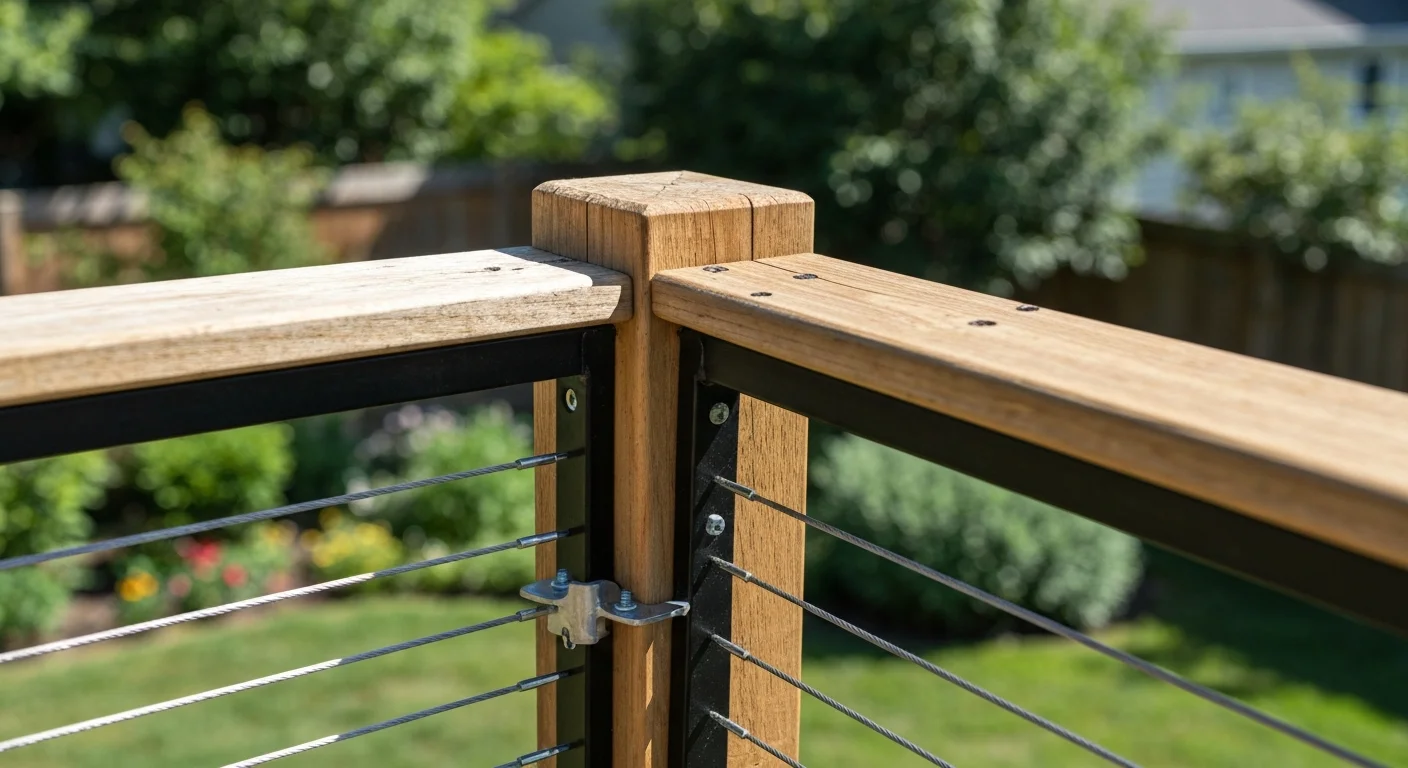
As elite custom railing manufacturers and contractors, we frequently witness preventable installation errors that compromise both safety and aesthetics. One of the most common mistakes is failing to account for proper structural post-anchoring. Simply screwing posts into the surface of deck floorboards does not provide sufficient lateral resistance. Posts must be securely bolted to the underlying joists and framing members using heavy-duty structural screws or thru-bolts.
Another frequent error is ignoring local building codes regarding gap spacing and height. The International Residential Code (IRC) dictates that any deck higher than 30 inches off the ground must have a guardrail of at least 36 inches in height. Furthermore, the spacing between balusters or cables must not allow a 4-inch sphere to pass through. Failing to meet these safety standards can lead to costly inspection failures, home insurance issues, or tragic accidents.
Additionally, DIY installers often under-tension cable railing systems. Over time, loose cables sag, creating dangerous gaps that violate local safety codes. Always use specialized tensioning tools and install heavy-duty intermediate posts to keep cable spans taut and compliant.
FAQ
What are the lowest-maintenance deck railing options?
Powder-coated aluminum and high-performance composite railings require the least amount of maintenance. They only need occasional washing with soap and water to remove dirt, pollen, and salt residue, completely eliminating the need for annual painting or sealing.
How do different types of deck railing handle strong winds?
Cable and slim metal baluster systems allow high winds to pass through freely, reducing structural stress on the deck. Glass panel systems act as a windbreak, which shelters your deck but subjects the posts to higher wind loads, requiring robust structural anchoring.
Which types of railings outdoor are best for pool areas?
Glass and aluminum railings are highly recommended for pool areas due to their excellent moisture resistance. Glass railings are especially favored because they provide clear visibility into the pool, helping parents monitor children and pets safely.
Can you mix different styles of deck railing materials?
Yes, mixing materials often creates a highly desirable custom aesthetic. Popular combinations include pairing rich wood or composite top rails (drink rails) with black aluminum posts and horizontal stainless steel cable infills.
How high should deck railings be to meet safety codes?
According to standard residential building codes, deck railings must be at least 36 inches high if the deck is 30 inches or more above the ground. Commercial projects typically require a minimum railing height of 42 inches for enhanced occupant safety.
How much do different types of deck railings cost to install?
Basic wood systems cost around $25 to $60 per linear foot, while premium aluminum and composite systems range from $75 to $150. High-end custom options like tempered glass panels or marine-grade cable railing can range from $125 to over $400 per linear foot.
