

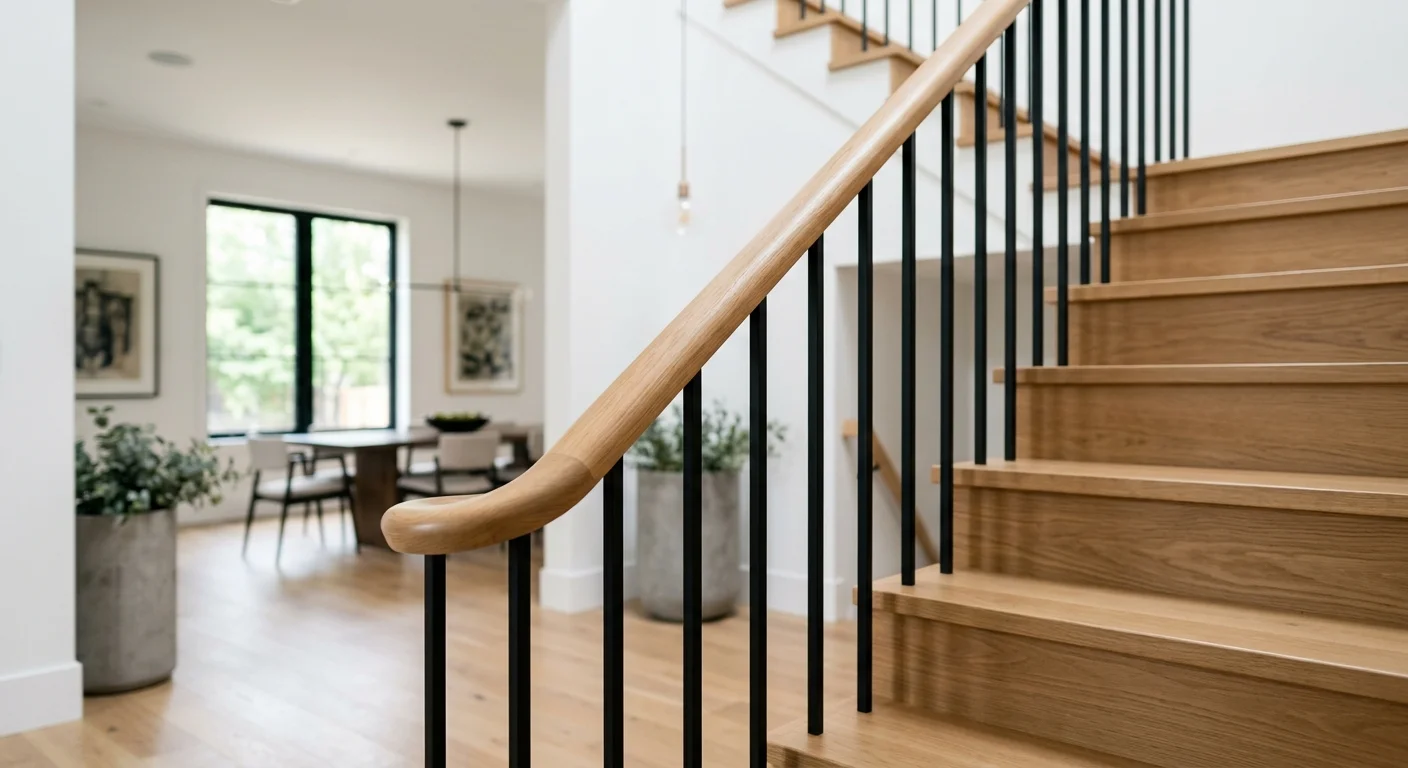
How to Choose the Right Stair Railing for Your Home
For modern, minimalist homes seeking unobstructed views, choose frameless glass or stainless steel cable railings. For traditional, historic, or highly ornate estates, select custom wrought iron or premium hand-carved hardwoods. For high-traffic residential spaces and low-maintenance outdoor decks, powder-coated aluminum is the optimal choice. Your decision must align your architectural style with local building codes, structural durability, and the specific physical needs of your household. Elevating a home’s aesthetic while guaranteeing safety requires a balance of material performance, grip comfort, and visual weight. By analyzing structural demands, regional weather patterns, and budget boundaries upfront, you can select a system that delivers both long-term security and exceptional architectural value. Here is the definitive roadmap to making the perfect architectural choice for your staircase.
Key Takeaways for Selecting a Stair Railing
- Match Style to Architecture: Select glass or cable systems for modern open-concept spaces, and turn to custom wrought iron or milled oak for traditional designs.
- Prioritize Code Compliance: Ensure your railing stands between 34 and 38 inches tall with baluster spacing under 4 inches to meet standard safety guidelines.
- Select Weather-Appropriate Materials: Use marine-grade 316 stainless steel or powder-coated aluminum for outdoor coastal decks, while reserving wood and non-treated metals for interior applications.
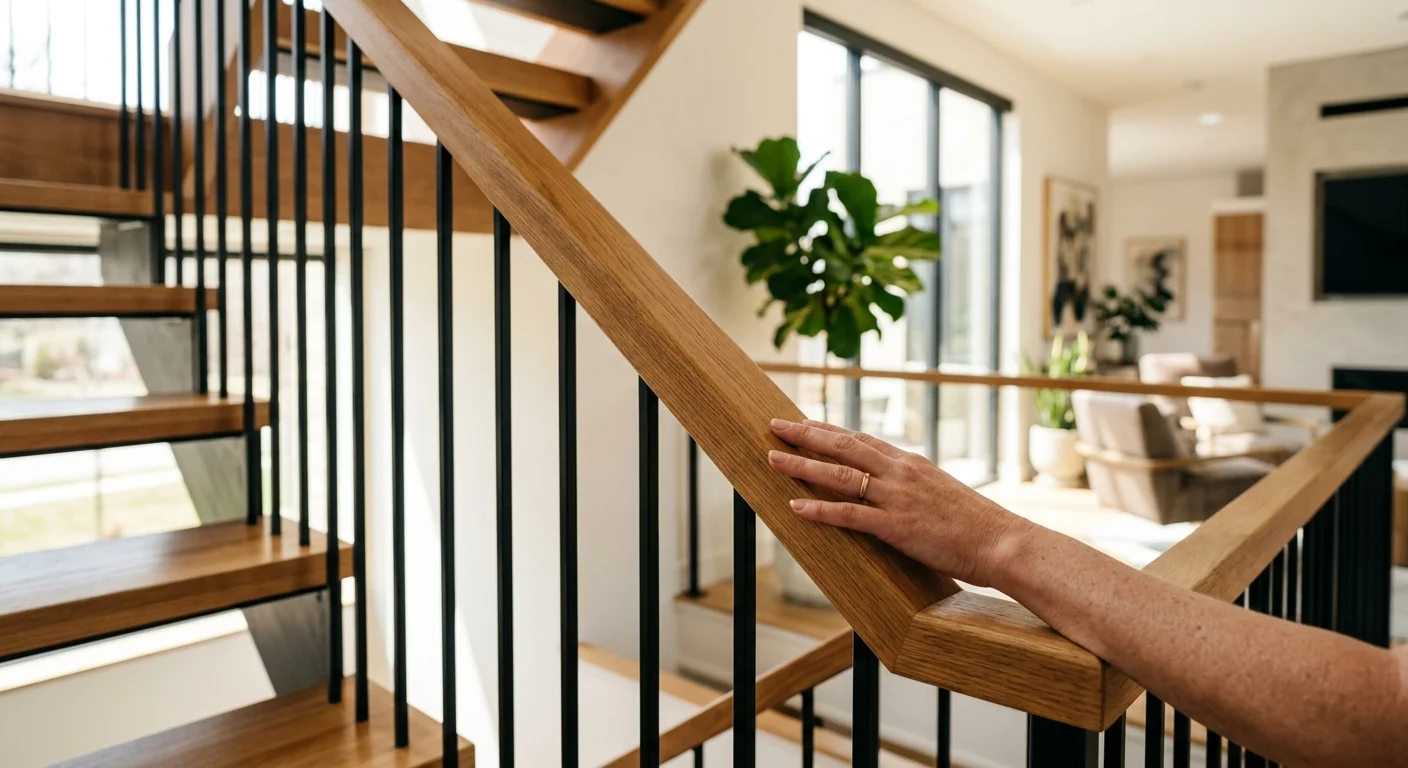
- Verify Handrail Graspability: Choose circular or molded profiles that comply with residential codes to ensure a secure grip for all ages.
- Budget for Longevity: Factor in long-term maintenance costs, as materials like wood require regular refinishing, whereas glass and aluminum offer near-zero maintenance.
Selecting the Best Staircase Railing Materials for Your Space
Choosing the right material represents the most consequential decision in your staircase project, as it dictates the system’s structural integrity, maintenance schedule, and aesthetic impact. Hardwoods such as white oak, red oak, and maple deliver classic warmth and excellent structural strength, making them ideal for traditional banisters. For ultra-modern interiors, a premium glass railing maximizes natural light and provides an airy, sophisticated aesthetic that opens up narrow entryways. If your architecture leans toward an industrial or contemporary look, stainless steel and aluminum offer exceptional durability and clean profiles.
Comparing options like steel vs. aluminum railings reveals that while steel offers unmatched structural rigidity, aluminum provides superior rust resistance in coastal environments. Wrought iron remains the gold standard for dramatic, hand-forged scrollwork, though it requires periodic sealing to prevent oxidation. Cable railing systems utilize tensioned stainless steel wire to provide high visibility and a clean, maritime-inspired look. Ultimately, the best material choice balances the existing architectural elements of your home with your personal willingness to perform seasonal maintenance.
For high-end glass applications, homeowners must choose between tempered and laminated options. Tempered glass is heat-treated for strength, crumbling into small chunks rather than sharp shards if broken. Laminated glass adds an inner layer of polyvinyl butyral (PVB) or ionoplast polymer between two glass sheets. This interlayer keeps the glass panel intact even if it cracks, providing a crucial safety barrier for multi-story installations. Standard thicknesses for these glass structures usually range from 3/8 inch to 1/2 inch for post-supported systems, while frameless base-shoe systems require 1/2 inch to 9/16 inch panels.
When selecting metals, grade selection is highly critical. For stainless steel, type 304 is the standard for interior installations due to its excellent strength and corrosion resistance. For exterior coastal applications, specify type 316 marine-grade stainless steel. This alloy contains molybdenum, which dramatically improves resistance to pitting from salt spray and harsh environmental chemicals. Anodized or powder-coated aluminum represents an exceptional alternative, delivering lightweight strength with a durable finish that will not chip, peel, or rust over decades of heavy residential exposure.
Crucial Architectural Safety Codes and Structural Requirements
Building codes dictate that stair railings must stand between 34 and 38 inches high, measured vertically from the leading edge of the stair tread nosing to the top of the handrail. According to safety specifications from the International Code Council, baluster spacing must be tight enough that a 4-inch sphere cannot pass through any point of the guardrail. These strict dimensions prevent infants and small pets from slipping through the system or becoming dangerously wedged. Additionally, the triangular opening formed by the riser, tread, and bottom rail of a guard at the open side of a stairway must not allow a 6-inch sphere to pass.
Professional installers always verify that handrails are continuous for the entire length of the stair run, beginning directly above the top riser and extending to the bottom riser. If your staircase features winders or tight curves, you must ensure your handrail runs smoothly without abrupt interruptions that could break a user’s grip. The structural system must also withstand a concentrated load of 200 pounds applied to the top rail in any direction, a standard enforced to ensure the railing can support a falling adult. In commercial applications, guardrails must withstand this load while also resisting a uniform load of 50 pounds per linear foot along the top rail.
Handrail clearance is another critical safety specification. There must be a minimum space of 1.5 inches between the wall and the handrail to allow for uninterrupted gripping. The handrail must not project more than 4.5 inches into the stairway width, ensuring the pathway remains wide enough for safe evacuation. Handrail ends must return smoothly to the wall or terminate in a safety post to prevent loose clothing, purse straps, or safety gear from catching on the ends, which can cause severe falls down the staircase.
How to Choose Stair Handrails Based on Your Architectural Style
You can choose the perfect stair handrail by matching the structural lines and visual weight of the railing system to the primary design language of your home. If your property features a transitional or coastal aesthetic, pairing clean timber treads with sleek metal or cable inserts creates an inviting balance of organic warmth and modern styling. For ultra-minimalist or high-end contemporary spaces, frameless glass systems with hidden base shoes remove all visual barriers, highlighting the staircase as a sculptural centerpiece. Traditional estate homes demand heavy-profile wood handrails paired with ornate iron balusters or classic painted wood spindles.
To find inspiration, exploring a curated list of the best staircase railings can help you visualize how different geometries integrate into open-concept floor plans. Always consider the scale of your foyer; a thick, bulky wooden handrail can overwhelm a tight hallway, whereas a thin, powder-coated steel profile can look lost in a massive, double-height grand entrance. The finish of your hardware also plays a major role in tying the design together, with matte black, satin brass, and brushed stainless steel serving as highly popular modern choices.
For mid-century modern architectures, vertical wood slats or simple geometric steel patterns create a highly authentic, retro-inspired aesthetic. This style celebrates clean lines and functional simplicity, often incorporating warm woods like walnut or teak paired with slim black metal supports. If your home embraces an industrial farmhouse design, look toward blackened steel pipe railings or horizontal cable systems. These selections deliver a raw, utilitarian charm that pairs perfectly with reclaimed wood stairs and exposed structural brickwork.
Craftsman and rustic interiors benefit from more substantial woodwork. Square balusters, heavy newel posts, and thick top rails in red oak or rustic hickory enhance the handcrafted feel of these spaces. The key is to establish visual continuity across your interior spaces. If your kitchen features oil-rubbed bronze cabinet pulls, incorporating matching bronze brackets or balusters into your staircase design creates a cohesive, thoughtfully curated environment throughout the entire home.
Evaluating Indoor vs. Outdoor Railing Needs
Evaluating indoor versus outdoor railing needs requires assessing the level of environmental exposure and choosing materials that resist corrosion, UV degradation, and moisture damage. Interior stair railings focus primarily on touch tactile quality, design detailing, and integration with interior woodwork or flooring. In contrast, outdoor systems on decks, patios, and front steps must prioritize weatherproofing, utilizing materials that can withstand temperature swings and heavy rain. According to a study on atmospheric corrosion by the Association for Materials Protection and Performance, coastal salt air accelerates the rust rate of standard carbon steel by up to ten times compared to dry inland environments.
Consequently, outdoor installations in coastal regions like West Palm Beach require marine-grade 316 stainless steel, anodized aluminum, or heavily powder-coated metals. Wood used outdoors must be pressure-treated or naturally rot-resistant, such as teak or Ipe, and will require annual staining or sealing. Indoor wood handrails face far fewer environmental threats, allowing you to select luxury hardwoods like walnut or white oak without worrying about moisture damage. Interior metal elements also require less protective coating, allowing for delicate finishes like hand-applied wax or oil-rubbed lacquers.
For outdoor glass installations, thermal expansion must be carefully engineered. Glass panels can expand and contract slightly under direct sunlight and high temperatures. This expansion requires resilient rubber gaskets and specialized mounting clips that prevent glass-to-metal contact, which can cause spontaneous breakage. Furthermore, outdoor glass railings should utilize laminated glass to ensure that if a panel is damaged by flying debris during storm season, the interlayer keeps the panel intact within its frame, preventing falls and dangerous falling glass hazards.
Outdoor cable railing systems also demand unique design considerations. The tension of the cables must be adjusted periodically, as temperature fluctuations and building settling can cause slight slack over time. Using high-quality tensioning turnbuckles concealed inside the end posts allows for easy adjustments without sacrificing the clean, minimal aesthetic. Indoors, cable railings present zero maintenance needs, making them a perfect fit for open-concept lofts and modern split-level homes.
Cost Expectations and Budget Planning for Custom Installations
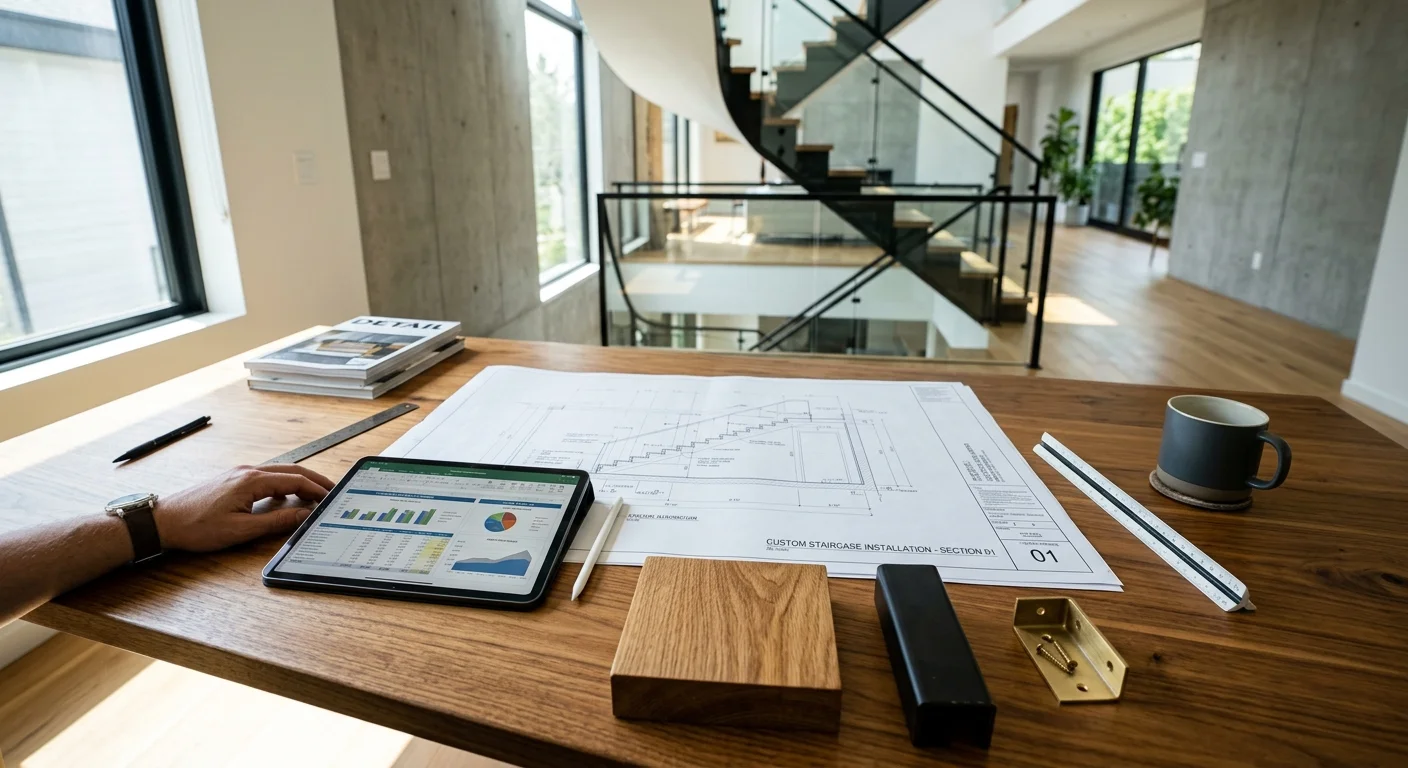
The cost of a custom stair railing installation ranges from $50 to $150 per linear foot for basic metal and wood designs, rising to $300 to $800+ per linear foot for high-end glass, custom curved metal, or hand-forged wrought iron. Standard production materials like stock aluminum or basic timber balusters sit on the lower end of the pricing spectrum. Custom engineering, high-performance finishes, and complex layouts—such as curved staircases—significantly increase fabrication and labor expenses. According to market data from the National Association of Home Builders, homeowners recoup approximately 60% to 75% of their staircase remodeling costs in added home equity, making high-quality railings a sound long-term investment.
When planning your budget, remember to separate material costs from professional installation fees, which often account for 40% to 60% of the total project invoice due to the precision leveling and anchoring required. Complex modern systems like frameless glass or hidden cable terminations require highly specialized tooling and structural masonry anchors. These elements can increase on-site labor times, making professional installation essential for code compliance and safety certifications.
A Comprehensive Comparison of Staircase Railing Options
The following table provides an analytical breakdown of the most popular stair railing materials, evaluating their ideal applications, relative costs, and maintenance demands to help guide your purchasing decision.
| Railing Material | Ideal Architectural Style | Average Cost (Per Linear Foot) | Maintenance Level Required |
|---|---|---|---|
| Tempered Glass | Modern, Minimalist, Coastal | $200 – $600 | Low (Occasional wiping required) |
| Stainless Steel Cable | Contemporary, Industrial, Decking | $120 – $350 | Low (Occasional tension checks) |
| Anodized Aluminum | Modern, Outdoor, Commercial | $75 – $200 | Very Low (Rust-proof performance) |
| Wrought Iron | Traditional, Gothic, Tuscan | $150 – $500 | Moderate (Needs periodic painting) |
| Premium Hardwoods (e.g., Oak) | Traditional, Transitional, Craftsman | $80 – $250 | High (Requires periodic resealing) |
Avoiding Common Installation and Design Mistakes
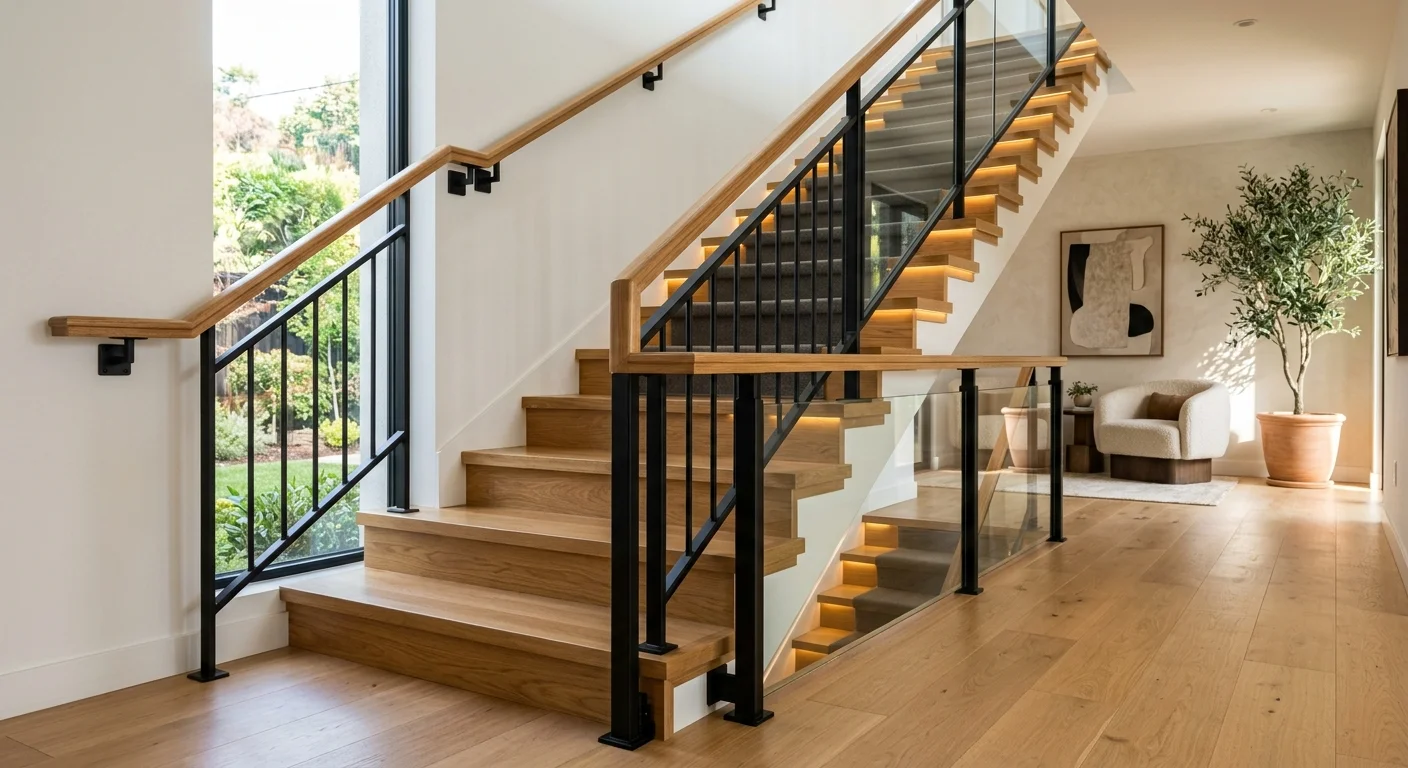
The most common professional mistake to avoid when installing a stair railing is overlooking handrail graspability, which can result in code violations and a highly awkward user experience. Building inspectors classify handrails into Type I (circular or simple geometric shapes with a perimeter under 6.25 inches) and Type II (larger profiles with finger-recess grooves). If your handrail is too wide for a standard hand to wrap around securely, it fails to provide adequate fall protection during a slip. Let’s outline the critical mistakes to avoid during your selection and installation process:
- Neglecting Structural Blocking: Attaching handrail brackets solely to drywall without securing them into solid wooden wall studs or structural blocking will cause the railing to pull free under pressure.
- Choosing the Wrong Glass Thickness: Using standard glass instead of tempered or laminated structural glass compromises safety. For safety compliance, always refer to professional guidelines regarding how thick glass stair railings should be (typically 1/2 inch to 9/16 inch for frameless systems).
- Improper Metal Finishes Indoors vs. Outdoors: Installing standard steel outdoors without hot-dip galvanizing or heavy powder coating guarantees rust within months.
- Inaccurate Stair Pitch Measurements: Ordering custom railings based on flat floor measurements rather than the exact diagonal pitch of the stair stringer results in misaligned balusters.
- Ignoring the Comfort of the Grip: Selecting a modern flat-bar metal railing that looks beautiful but features sharp, un-beveled edges that make holding the rail painful.
Additionally, always ensure proper alignment of the mounting hardware during the layout phase. A single misaligned bracket or post can put uneven structural stress on the entire system, leading to rattling, premature wear, or structural failure under load. For glass installations, failure to use a professional glass suction clamp system during mounting can lead to micro-scratches on the panels. These small imperfections weaken the structural integrity of the glass over time, increasing the risk of stress fractures.
Finally, always confirm whether your local municipality requires a building permit for stair railing replacements. While simple repair work often bypasses this requirement, replacing an entire guardrail or handrail system usually triggers code inspections. Partnering with a licensed and insured contractor who understands regional wind-load requirements, structural codes, and local administrative guidelines will save you from costly fines and reconstruction delays down the road.
FAQ
What is the most durable material for an outdoor stair railing?
Anodized aluminum and 316 marine-grade stainless steel are the most durable outdoor materials because they naturally resist rust and oxidation. For coastal environments with high salt exposure, these materials outperform treated timber and standard powder-coated steel.
How high does a residential stair handrail need to be?
A residential handrail must be installed between 34 and 38 inches high, measured vertically from the leading edge of the stair tread nosing. This height ensures comfortable accessibility and complies with safety standards in the International Residential Code.
Can I mix different materials like glass, metal, and wood?
Yes, mixing materials often creates the most compelling designs, such as combining white oak handrails with black metal spindles, or pairing stainless steel posts with glass infill panels. This approach balances modern styling with the warmth of natural wood textures.
What is the difference between a handrail and a guardrail?
A handrail is the specific rail designed for users to grip while walking up or down stairs, providing stability and balance. A guardrail is a protective barrier installed along elevated open-sided walk surfaces to prevent people from falling off the edge.
How do I know if my stair railing is code-compliant?
A code-compliant railing must stand at the correct height, hold a 200-pound load, and feature baluster spacing of less than 4 inches to prevent children from slipping through. Working with a licensed contractor ensures your installation meets all local and national building regulations.
Is tempered glass safe to use as a stair railing?
Yes, tempered and laminated glass is incredibly safe for staircase railings because it is treated to withstand high impact forces without shattering. If the glass does break, it crumbles into small, dull-edged pieces rather than dangerous, sharp shards.
