

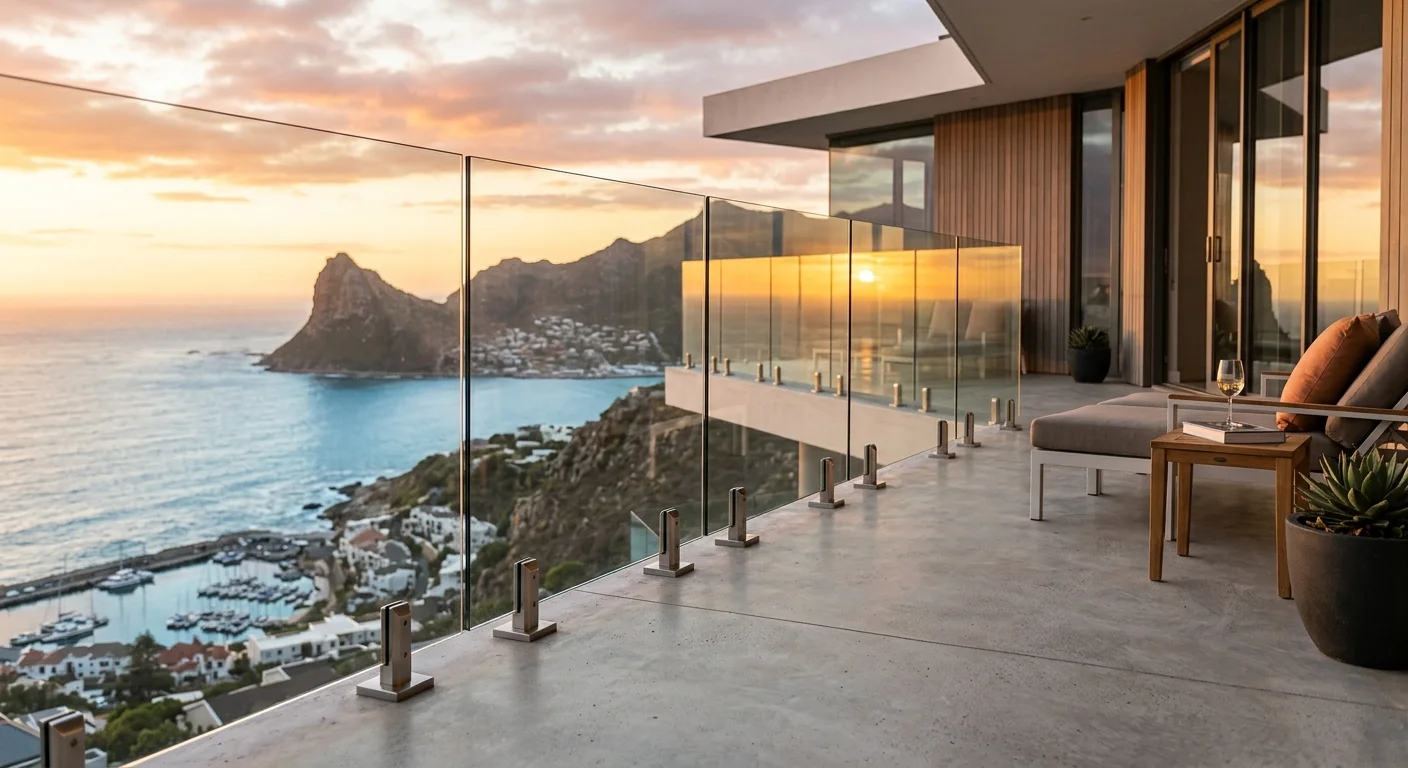
Tempered vs. Laminated Glass for Stair Railings: Which Option Is Better?
For elevated decks, balconies, and open-sided staircases, laminated glass is the superior and safest option. For ground-level installations or post-supported systems with a protective top rail, tempered glass offers a highly durable, cost-effective alternative. The fundamental difference lies in how they react to high-impact breakage. Tempered glass shatters into thousands of tiny, relatively harmless chunks. While this prevents deep lacerations, it instantly creates a completely open void. This void presents an immediate fall hazard for children and pets. In contrast, a laminated glass railing features a tough polymer interlayer sandwiched between two glass sheets. If the glass breaks, the fragments adhere to this interlayer. The panel remains structurally intact, retaining its shape and preventing catastrophic falls. For premium, frameless installations where structural integrity is non-negotiable, specify laminated glass with a rigid ionoplast interlayer. This choice ensures the barrier remains upright even after severe impact, offering unmatched security and peace of mind.
Key Takeaways for Choosing Safety Glass Railings
- Laminated glass maintains its structural barrier even after complete shattering, making it ideal for high-altitude installations.
- Tempered glass is lighter and more budget-friendly, costing approximately 30% to 50% less than laminated options.
- Building codes in 2026 strictly mandate laminated glass for all structural, handrail-free, or frameless glass balustrades.
- Using SentryGlas (SGP) interlayers instead of traditional PVB prevents edge clouding and delamination in humid coastal environments.
- Professional installation prevents moisture trapment, which is the primary cause of premature interlayer degradation.
What Makes Tempered and Laminated Glass Safety Materials?
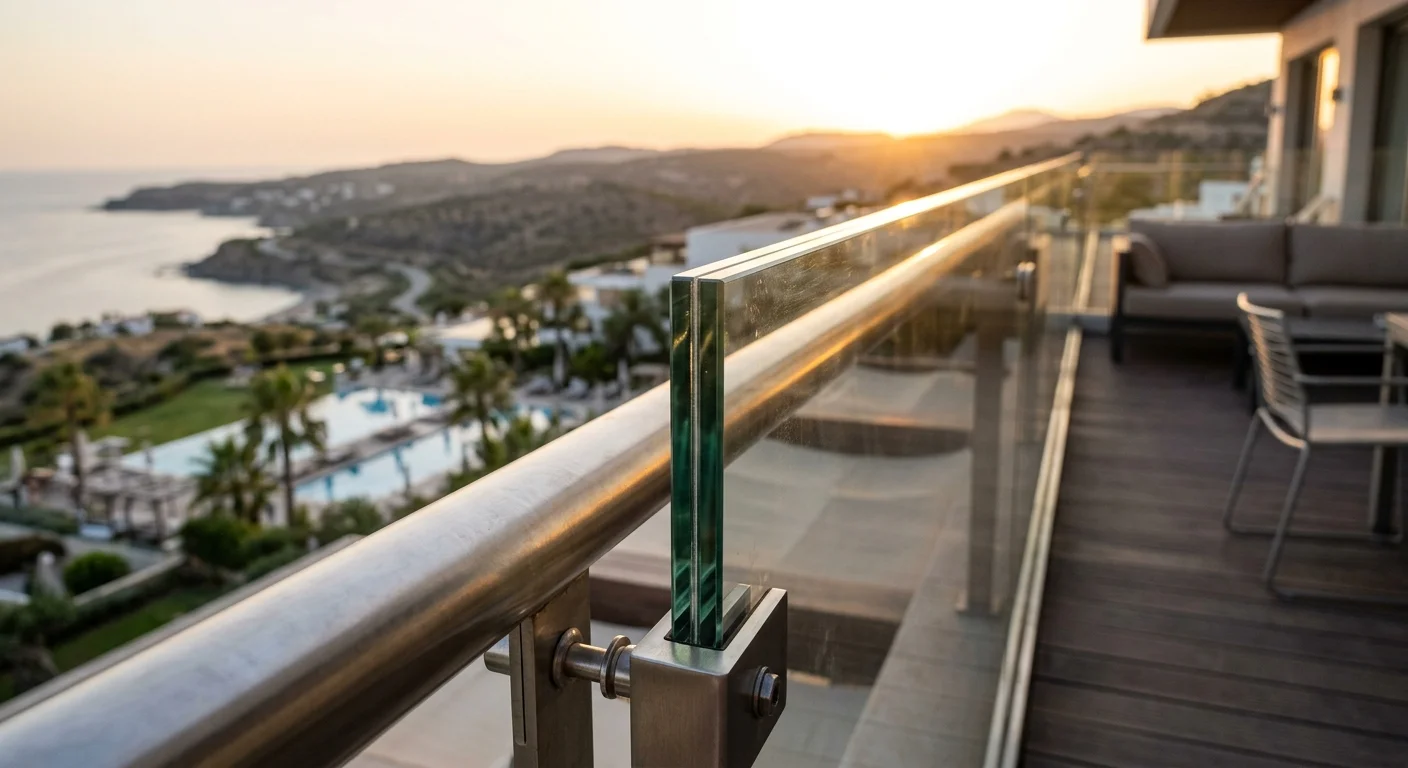
Both tempered and laminated glass undergo specialized thermal and chemical manufacturing steps to elevate them far beyond standard annealed window glass. Tempered glass undergoes a process of intense heating to over 1,100 degrees Fahrenheit, followed by rapid high-pressure air cooling. This rapid cooling creates highly compressed outer surfaces while keeping the interior core under tension. Consequently, tempered glass possesses up to five times the mechanical strength of standard glass of identical thickness.
Laminated glass, on the other hand, consists of a composite sandwich structure. Manufacturers bond two or more sheets of glass together under heat and pressure using a tough plastic interlayer. This interlayer is typically composed of polyvinyl butyral (PVB) or an advanced ionoplast polymer like SentryGlas. While the individual glass layers can still break, the plastic interlayer flexes and absorbs the energy of the impact. According to research published by the National Glass Association, laminated glazing prevents penetration from heavy objects in over 95% of standard impacts, keeping the surrounding space secure.
Because of these engineering differences, each material behaves uniquely under stress. Tempered glass is highly resistant to blunt force on its flat face, but vulnerable to impacts on its edges. When a tempered panel fails, it releases its stored energy instantly, breaking into small, rounded pebbles. Laminated glass absorbs the force of the blow. Even if both layers of glass fracture completely, the interlayer remains anchored to the railing hardware. This keeps the physical barrier intact until you can arrange a replacement.
Why a Laminated Glass Railing Offers Superior Structural Safety
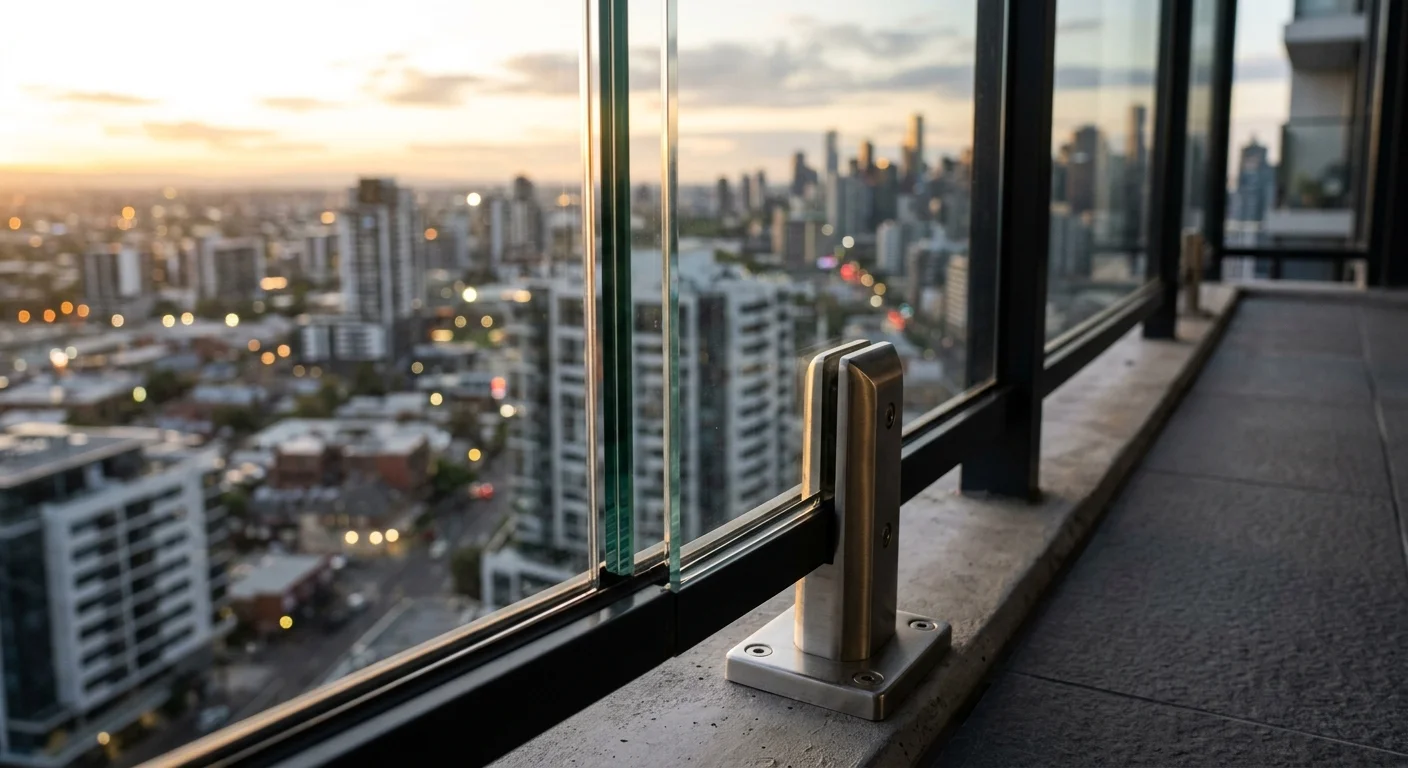
Uncompromising fall prevention is the main reason architects specify a laminated glass railing for high-rise balconies and interior staircases. When a tempered glass panel experiences a severe impact on its highly sensitive edges, the entire sheet disintegrates instantly. This structural failure leaves an unprotected opening until you can install a replacement panel. For families with active toddlers or large pets, this sudden absence of a barrier poses an immediate, life-threatening risk.
A laminated system completely eliminates this vulnerability. If an object strikes a laminated glass railing with enough force to fracture the glass, the panel does not fall away. Instead, it forms a highly visible spiderweb fracture pattern while maintaining its physical shape and position. The National Safety Council emphasizes that continuous barriers are crucial for preventing accidental falls, which remain a leading cause of household injuries. By holding the shattered fragments firmly in place, laminated panels buy homeowners valuable time to secure a replacement without compromising daily safety.
Furthermore, laminated options perform exceptionally well in areas prone to extreme weather events. High-velocity winds, flying debris, and intense temperature fluctuations can cause standard railings to fail. In coastal regions, hurricanes can easily launch small objects at high speeds. A laminated panel will crack under these extreme forces but will remain in its frame. This prevents wind-driven rain and debris from breaching the interior of your home. It also ensures the balcony remains safe for occupants during and after the storm.
Building Code Standards for Glass Balustrades in 2026
International and local building regulations strictly dictate where and how you must install safety glazing. The International Code Council enforces rigid guidelines regarding glass railings to protect the general public. Under current 2026 IBC standards, all glass used in handrails, guardrails, or balustrades must be laminated unless there is a continuous top rail supported by independent posts. This means that modern, frameless glass systems must utilize laminated panels to achieve legal compliance.
Furthermore, the thickness of the panels must match the specific structural load demands of the space. Designers must carefully calculate wind loads, crowd pressure, and localized impact possibilities. If you are unsure about the ideal dimensions for your project, consult our guide on how thick glass stair railings should be to ensure both safety and regulatory compliance. Using sub-standard thicknesses or non-compliant glass types can result in costly project delays and severe safety liabilities.
These codes are particularly strict for commercial environments, such as hotels, shopping malls, and public transit stations. In these high-traffic settings, a railing failure could result in multiple injuries. Building inspectors look closely at the stamp of compliance on the edge of each glass panel. This safety stamp proves the glass meets the impact testing requirements of ANSI Z97.1 and CPSC 16 CFR 1201. Always verify that your railing contractor sources certified, laboratory-tested materials.
Tempered vs. Laminated Glass Cost and Performance Comparison
Understanding the exact performance trade-offs and financial investments of each safety glass type helps you make an informed decision. While tempered glass requires a lower initial investment, laminated systems offer vastly superior long-term safety benefits.
The overall price of your system will depend on the thickness of the glass, the framing material, and the selected mounting hardware. For a deeper understanding of the metal components that hold these panels securely, read our guide on glass railing hardware components.
| Performance Feature | Tempered Glass | Standard PVB Laminated | SentryGlas (SGP) Laminated |
|---|---|---|---|
| Average Cost per Linear Foot | $150 – $250 | $250 – $400 | $450 – $650+ |
| Post-Breakage Behavior | Shatters instantly into small, blunt granules. | Glass cracks but adheres to PVB; may sag or bend. | Glass cracks but remains completely rigid and upright. |
| UV and Sound Reduction | Minimal sound dampening; allows full UV transmission. | Reduces noise by up to 30%; blocks 99% of UV rays. | Reduces noise by up to 35%; blocks 99% of UV rays. |
| Best Application | Single-family ground-floor decks with protective top rails. | Standard residential balconies and indoor staircases. | Frameless commercial systems and coastal hurricane zones. |
Designing a Custom Laminated Glass Railing for Modern Homes
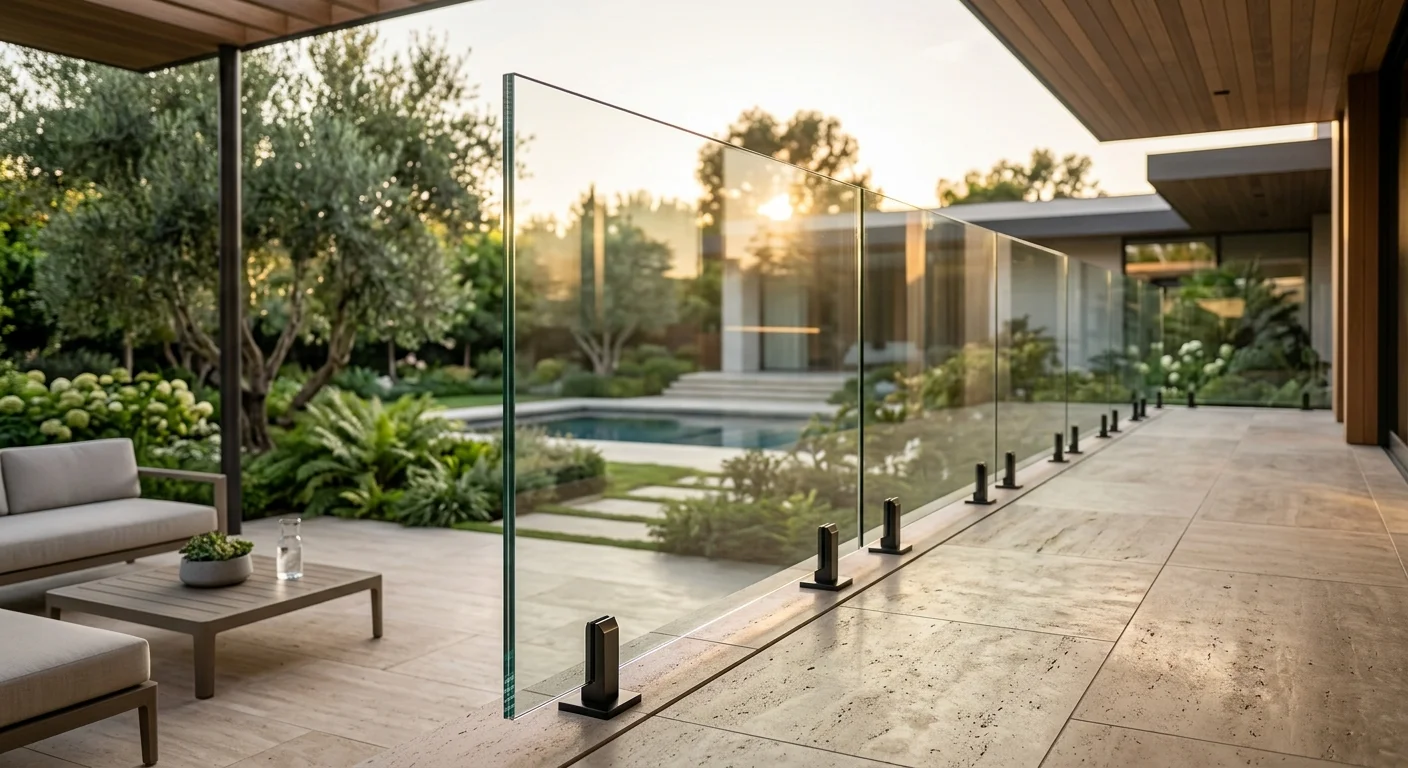
Beyond its safety advantages, a modern laminated glass railing serves as a striking, high-end architectural centerpiece. This system allows you to achieve a minimalist, ultra-clean aesthetic that maximizes natural light flow and preserves beautiful outdoor views. Homeowners can customize the appearance of their laminated panels with various decorative interlayers. You can select frosted, translucent, or deeply tinted interlayers to add custom privacy without blocking light.
If you want to elevate the overall design, look into professional glass railing installation services that specialize in high-end, custom configurations. Modern systems can incorporate low-iron glass to eliminate the standard green tint of standard glass panels. This results in a crystal-clear, high-definition view of your surroundings. Additionally, the interior polymer layer provides exceptional sound-dampening qualities. This makes laminated options perfect for busy urban environments, noisy pool areas, or high-traffic commercial hallways.
When designing a custom staircase, you can also pair laminated glass panels with rich wood handrails or sleek stainless steel hardware. This creates a striking contrast between natural and industrial elements. The flexibility of the laminating process means you can even embed custom fabric, wire mesh, or colored films inside the glass sandwich. This allows you to create a completely unique work of art that complements your interior design scheme.
Crucial Installation Best Practices to Avoid Interlayer Delamination
Installing safety glass requires precision, specialized tools, and a deep understanding of material limits. A common professional mistake is exposing the raw edges of a laminated panel to pooling water or aggressive chemicals. Over time, moisture can penetrate the outer edges of the polymer layer, causing a cloudy, unsightly phenomenon known as delamination. To prevent this, installers must use high-quality, non-acidic silicone sealants and ensure proper drainage channels are built into the base shoes.
- Avoid using vinegar-based, highly acidic glass cleaners, as they can slowly degrade the exposed polymer edges.
- Ensure all structural metal posts, clamps, or base shoes utilize high-grade rubber gaskets to prevent direct metal-to-glass contact.
- Perform precise structural leveling of the mounting substrate, as any minor twisting can create stress points that cause the glass to crack.
- Always hire a certified railing contractor who understands local wind load requirements and proper anchoring techniques.
- Ensure the glass edges are polished and beveled to prevent micro-fractures during transport and alignment.
Furthermore, the choice of mounting hardware plays a critical role in the lifespan of your railing system. Base shoe channels must feature weep holes to allow rain and cleaning water to escape quickly. If water remains trapped around the bottom edge of the glass, capillary action will draw moisture into the interlayer. Within a few years, this leads to edge bubbling and progressive cloudiness. Working with an experienced contractor ensures that these crucial drainage details are never overlooked during the installation process.
Frequently Asked Questions
What is the main advantage of choosing a laminated glass railing over tempered glass?
The primary advantage is post-breakage safety. If a laminated panel breaks, the glass fragments stick to the tough plastic interlayer, preventing a dangerous fall-through gap. Tempered glass shatters completely, leaving an empty, hazardous opening until replaced.
How long do laminated glass railings typically last?
A professionally installed, high-quality laminated glass system can easily last 25 years or more. To maximize this lifespan, avoid harsh chemical cleaners and ensure the edges are protected from standing water to prevent delamination.
Can you cut or drill holes in laminated glass after it has been manufactured?
No, you cannot cut or drill safety glass once the tempering and laminating processes are complete. Any attempt to modify the panels post-production will result in immediate shattering of the tempered glass layers.
Is laminated glass heavier than standard tempered glass?
Yes, laminated panels are typically heavier because they consist of multiple glass sheets bonded together with a dense plastic interlayer. This added weight requires robust, structural-grade framing and secure anchoring systems.
Does laminated glass help block UV rays and reduce external noise?
Yes, the internal polymer layer blocks up to 99% of harmful ultraviolet rays, protecting your skin and preventing indoor furniture from fading. This interlayer also absorbs sound vibrations, reducing ambient outdoor noise far better than standard single-layer glass.
Which type of safety glass is required by building codes for frameless railings?
Under modern building codes, frameless, structural glass railings must use laminated glass. This ensures that even if one layer breaks, the system remains upright and continues to act as a protective barrier.
